Recipe
Servings
Servings 1×
Ingredients
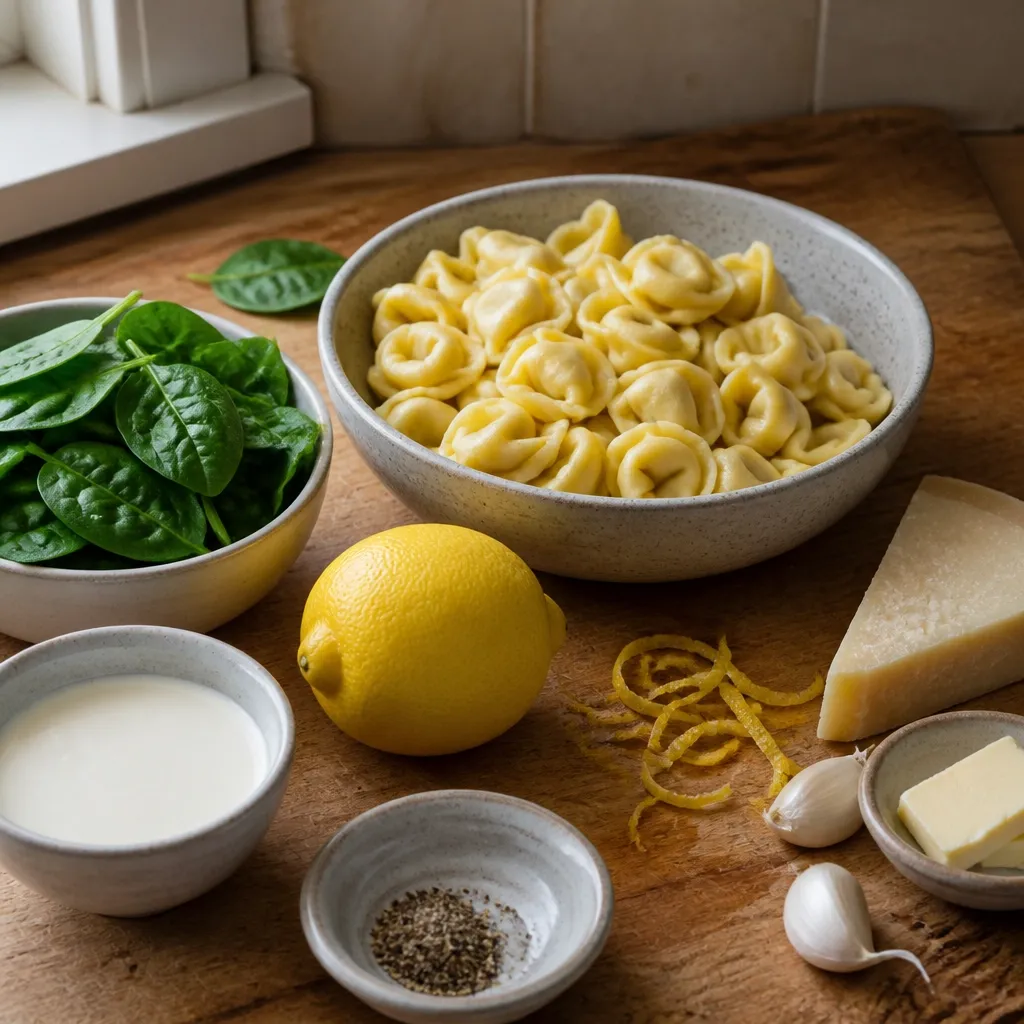
- Tortellini
- Pasta
- Asparagus
- Spinach
- Lemon
- Cream
- Hard cheese
Method
- Use the reserved pasta water intelligently.
- Add a little at a time when the sauce looks too thick, then toss thoroughly so the starch can do its job.
- Keep the heat moderate when the cream enters the pan.
- Add lemon gradually rather than tipping in all the juice at once.
- Use lemon zest for aroma and juice for acidity.
- Add Parmesan over low heat and let it melt into the sauce rather than forcing it through a rolling boil.
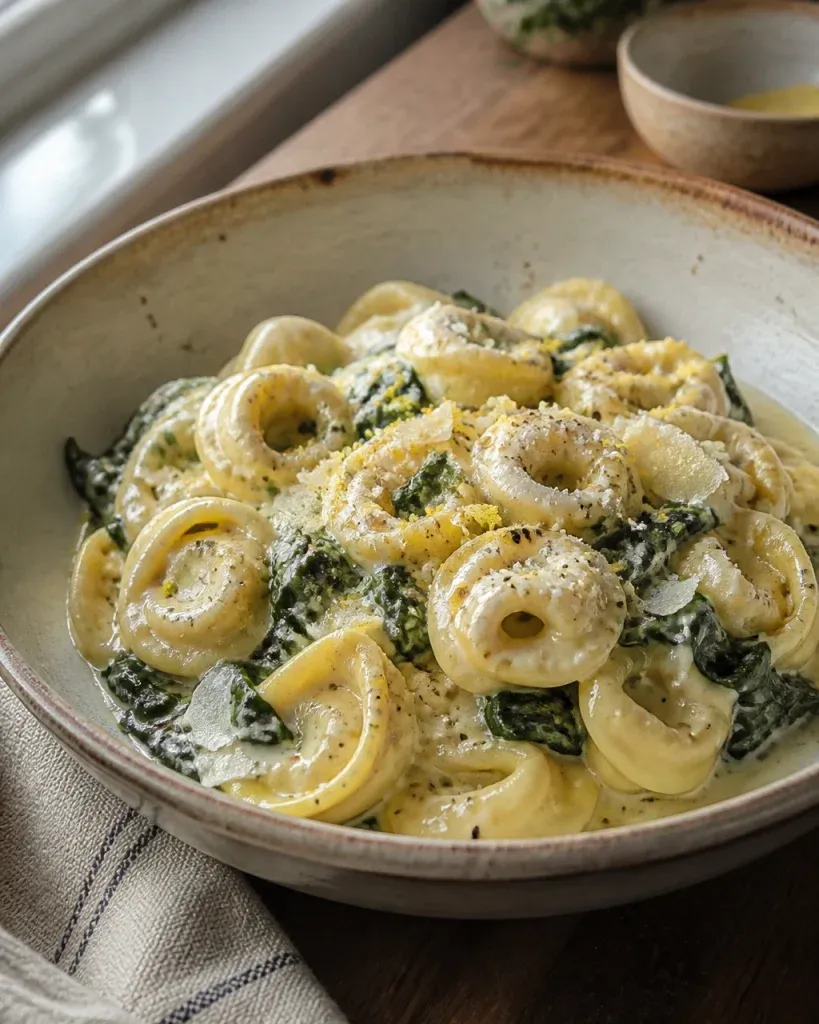
Some pasta dishes arrive with a long ingredient list and a sink full of evidence. This creamy lemon spinach tortellini does neither. It brings together tender cheese-filled pasta, a silky lemon-Parmesan sauce, and bright spinach in one comforting bowl. The recipe card has the exact quantities and cooking times; here, I’m focusing on the small techniques that make the sauce smooth, balanced, and gloriously clingy.
Why This Sauce Works: Starch, Fat, and Gentle Heat
The secret to this dish is not a mysterious chef trick. It is starch management.
Tortellini releases starch as it cooks. That cloudy cooking water may look unremarkable, but it helps bring water and fat together into a smoother sauce. In kitchen language, this is an emulsion: tiny droplets of fat stay suspended in liquid instead of separating into a greasy puddle.
Use the reserved pasta water intelligently. Add a little at a time when the sauce looks too thick, then toss thoroughly so the starch can do its job. Do not pour in half a mug and hope for a miracle. You are loosening the sauce, not giving it a bath.
The tortellini itself also benefits from this approach. Its folded shape creates plenty of edges and pockets for the sauce to catch. That is why this dish feels richer than a simple bowl of pasta, even though the method is quick enough for busy weeknights.
Keep the heat moderate when the cream enters the pan. A gentle simmer thickens the dairy without making it unstable. A furious boil, on the other hand, can cause the sauce to split before the lemon and Parmesan even get a chance to settle in. Pasta should be comforting, not conducting a chemistry practical under pressure.
Lemon and Cream Need a Peace Treaty
Lemon juice brings acidity, fragrance, and lift. Cream brings richness and softness. They are excellent together, but they need to be introduced with a little respect.
Add lemon gradually rather than tipping in all the juice at once. Acid can make dairy proteins tighten and separate, especially when the sauce is very hot or made with a lower-fat dairy product. Heavy cream is more forgiving because its higher fat content helps stabilize the mixture, but it is not invincible.
Use lemon zest for aroma and juice for acidity. The zest gives you the bright citrus character without adding extra liquid, while the juice cuts through the richness. This matters because creamy tortellini can become heavy after a few bites if there is no contrast. Taste near the end and adjust carefully. You want the lemon to make the sauce sparkle, not turn it into pasta lemonade.
Add Parmesan over low heat and let it melt into the sauce rather than forcing it through a rolling boil. Finely grated cheese disperses more easily, while large shreds may clump or leave you chasing little dairy islands around the pan. Stir with purpose, but do not beat the sauce into submission.
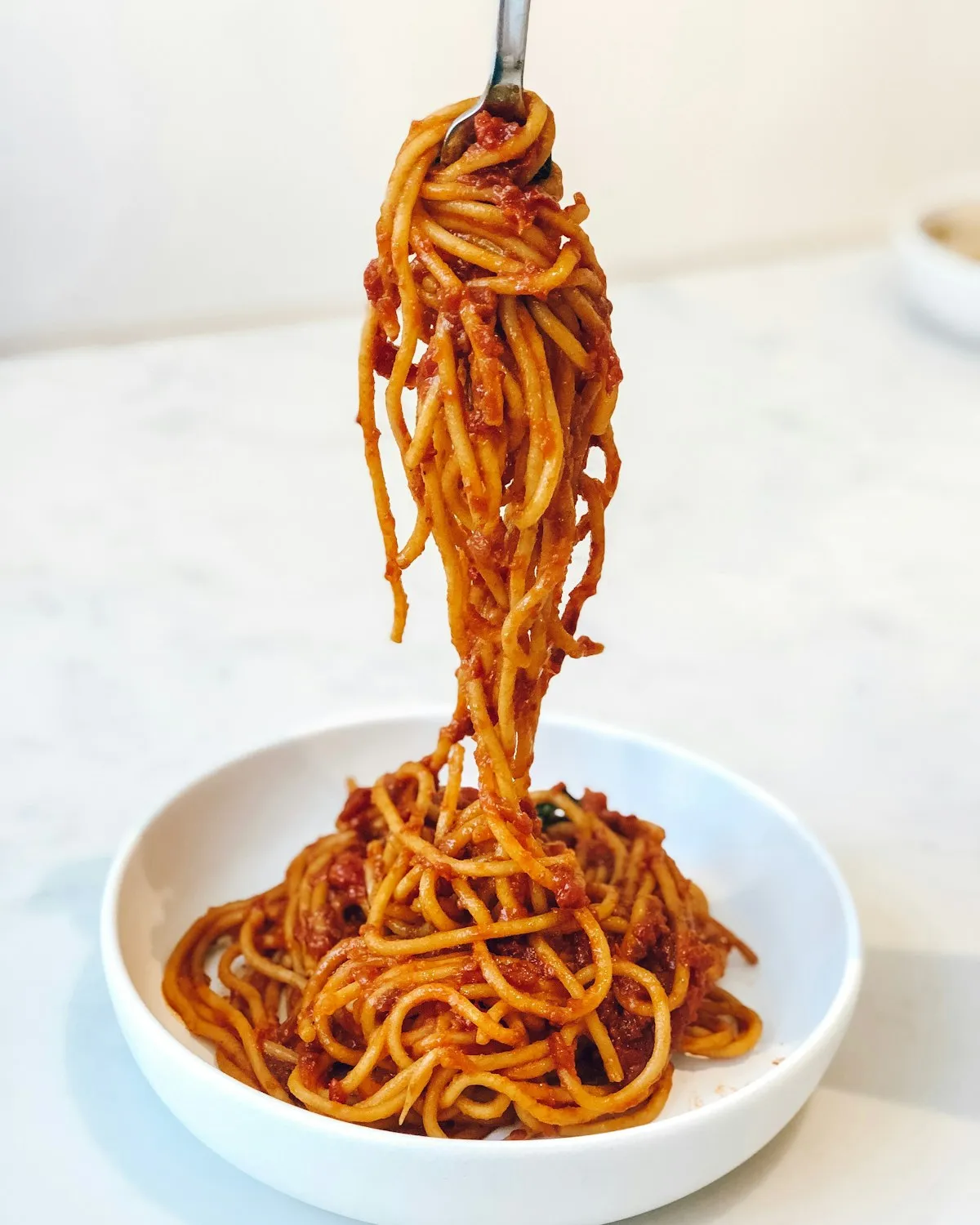
For more on how pasta starch creates silky sauces, read my guide to One-Pot Lemon Asparagus Spaghetti. You will see the same principle at work, just with a different shape of pasta and a little more cream.
Spinach Is a Finishing Ingredient, Not a Main Event
Add spinach near the end. That is the non-negotiable rule.
Baby spinach contains a lot of water, and its leaves collapse quickly when they meet heat. If you add it too early, it can lose its fresh color and release enough liquid to thin the sauce. Fold it through while the tortellini is hot, then stop cooking as soon as the leaves wilt.
Use a generous handful because spinach shrinks dramatically. What looks like an unreasonable mountain in the pan becomes a polite green accent in the bowl. That is spinach being spinach.
Avoid squeezing the leaves dry unless they are particularly wet. A little moisture is useful, but excess water is not. If your spinach has been washed, shake it well or pat it lightly before adding it. Keep the leaves whole or roughly torn so they provide small, tender bursts of texture rather than disappearing completely.
The cheese tortellini needs gentle handling, too. Stir enough to prevent sticking, but do not toss it around like popcorn. Fresh and refrigerated tortellini can become soft quickly, and a broken pasta pocket means the filling escapes into the sauce. Delicious, perhaps, but no longer quite the same dinner.
Variations for Different Appetites
Keep the lemon-spinach combination as your base, then adjust the supporting flavors.
For extra vegetables, add peas, asparagus tips, or thinly sliced zucchini. Choose vegetables that cook quickly so they do not compete with the tortellini. Peas bring sweetness, asparagus adds a mild bitter edge, and zucchini contributes softness. Balance each variation with enough lemon to keep the sauce lively.
Add red pepper flakes for gentle heat. The warmth makes the cream taste less rich and gives the lemon something to push against. Start modestly; you can always add more, but you cannot easily perform a chili extraction from a finished skillet.
Turn it into a heartier meal with cooked chicken, shrimp, or crisp pancetta. Add fully cooked proteins at the end so they warm without overcooking. Shrimp are especially quick but become rubbery when neglected, so keep them on a short leash.
For a meat-free boost, stir in white beans or toasted walnuts. Beans add substance and a creamy texture of their own, while walnuts provide crunch. Use a smaller amount of Parmesan if you want the nuts to stand out.
You can also swap the tortellini filling. Spinach-and-ricotta or mushroom tortellini will work, but they change the flavor balance. Mushroom fillings bring more umami, so increase the lemon slightly. Ricotta fillings are mild and creamy, making them a natural match for the original sauce.
Browse Cookpedia’s pasta recipe collection for more ways to turn simple pantry staples into satisfying dinners.
Side Dishes That Cut Through the Creaminess
Pair this tortellini with something crisp, fresh, or lightly bitter. A peppery arugula salad with lemon vinaigrette is an easy win because its acidity cuts through the cream while its texture contrasts with the soft pasta.
Try roasted broccolini, asparagus, or green beans when you want a warm vegetable side. Let the edges brown slightly. That gentle bitterness keeps the meal from tasting flat and adds a useful roasted note.
A cucumber salad works beautifully when the weather is warm. Its cool crunch gives your palate a reset between bites, which is helpful with any creamy pasta. Keep the dressing sharp and light rather than adding another rich component.
If you are planning quick family meals, serve the tortellini with a simple tomato salad and skip the elaborate bread basket. The sauce already brings plenty of comfort. Give the plate contrast instead of piling on more richness.
FAQ: Troubleshooting Creamy Lemon Tortellini
What if the sauce curdles after I add the lemon?
Lower the heat immediately and stop boiling the sauce. A small splash of warm pasta water can help loosen the mixture, and vigorous but controlled tossing may bring it back together. Next time, thicken the cream gently before adding lemon, then add the juice gradually. Use heavy cream rather than low-fat milk when possible, because higher fat gives the sauce more stability.
What if my sauce is too thin?
Let it reduce gently for a minute or two, stirring often. Evaporation removes excess water while the pasta starch increases the sauce’s body. Add Parmesan only after the sauce has had a chance to concentrate; using cheese as an emergency thickener can make the result salty and clumpy. If the tortellini is already perfectly cooked, keep the heat low so the pasta does not turn mushy.
What if the sauce becomes too thick?
Add reserved pasta water one splash at a time and toss after each addition. The sauce may tighten as it cools, so aim for a slightly looser texture than you want on the plate. Water works because the dish already contains plenty of flavor and starch. Add more cream only if you specifically want a richer finish.
Can I use frozen tortellini?
Yes, but expect it to need more cooking time than fresh or refrigerated tortellini. Follow the package guidance and avoid adding it to a sauce that is already very thick. Frozen pasta needs enough liquid and heat to cook evenly. Check one piece before finishing so you do not mistake a tender exterior for a fully cooked center.
Why does my spinach make the sauce watery?
Spinach naturally contains water, and washed leaves may carry extra moisture. Shake or pat the leaves dry before using them, and add them only at the end. If the sauce loosens slightly, keep the pan uncovered and toss for a short time. Do not cook the spinach for ages to evaporate the water; you will lose its color and freshness before the sauce improves.
Can I make this with milk instead of cream?
You can, but the sauce will be less rich and more vulnerable to splitting when lemon and Parmesan are added. Keep the heat low and rely on pasta starch for body. A small amount of cream cheese can provide extra stability, although it will make the sauce tangier and thicker. Taste before adding more lemon.
How should I reheat leftovers?
Refrigerate leftovers within two hours and use them within a few days. Reheat gently in a skillet with a splash of water or milk, stirring until steaming hot throughout. Cream sauces tighten as they cool because the starch sets, so expect to refresh the texture. Avoid high heat, which can separate the dairy and toughen the tortellini.
Is this suitable for healthy dinner ideas?
It can fit comfortably into a balanced meal, especially when you serve a moderate portion with a crisp salad or green vegetable. Spinach adds color and nutrients, while tortellini provides satisfying carbohydrates and cheese filling. Keep the sides fresh and acidic rather than adding more creamy or fried foods. For more lighter weeknight inspiration, explore Cookpedia’s healthy recipes.
Can I make it in one pan?
You can cook fresh tortellini directly in a suitably thin sauce with additional liquid, but the timing requires closer attention. The sauce must stay loose enough for the pasta to cook, and the tortellini needs occasional gentle stirring. Cooking it separately gives you better control over doneness and lets you reserve starchy water for the emulsion. Choose the one-pan route when fewer dishes matter more than maximum precision.
What should I serve if I am looking for air fryer recipes dinner ideas?
Use the air fryer for a crisp vegetable side, such as broccolini or green beans, while the tortellini cooks on the stove. Keep the main dish soft and creamy, then add crunch on the side. That contrast makes the meal feel complete without turning the tortellini into a complicated project.
Why does my finished pasta taste flat?
Richness can mute flavor, so check salt and acidity separately. Add a little salt to sharpen the Parmesan and spinach, then add lemon a few drops at a time to brighten the sauce. Finish with black pepper for gentle bite. Do not automatically add more cheese; the problem is often lack of contrast, not lack of creaminess.
For more practical ideas built around simple, reliable cooking, visit Cookpedia’s quick meals collection.