Recipe
Servings
Servings 1×
Ingredients
- Pasta
- Noodles
- Broccoli
- Garlic
- Cooking oil
- Salt
Method
- Start with a Cold Pan Avoid the temptation to drop your garlic into a screaming hot pan.
- Brown garlic is the enemy of a good Aglio e Olio; it turns acrid and ruins the delicate balance of the dish.
- Give Them Space Use a large baking sheet and spread the florets out.
- Give each floret its own "personal space" so the hot air can circulate and create those sweet, caramelized edges.
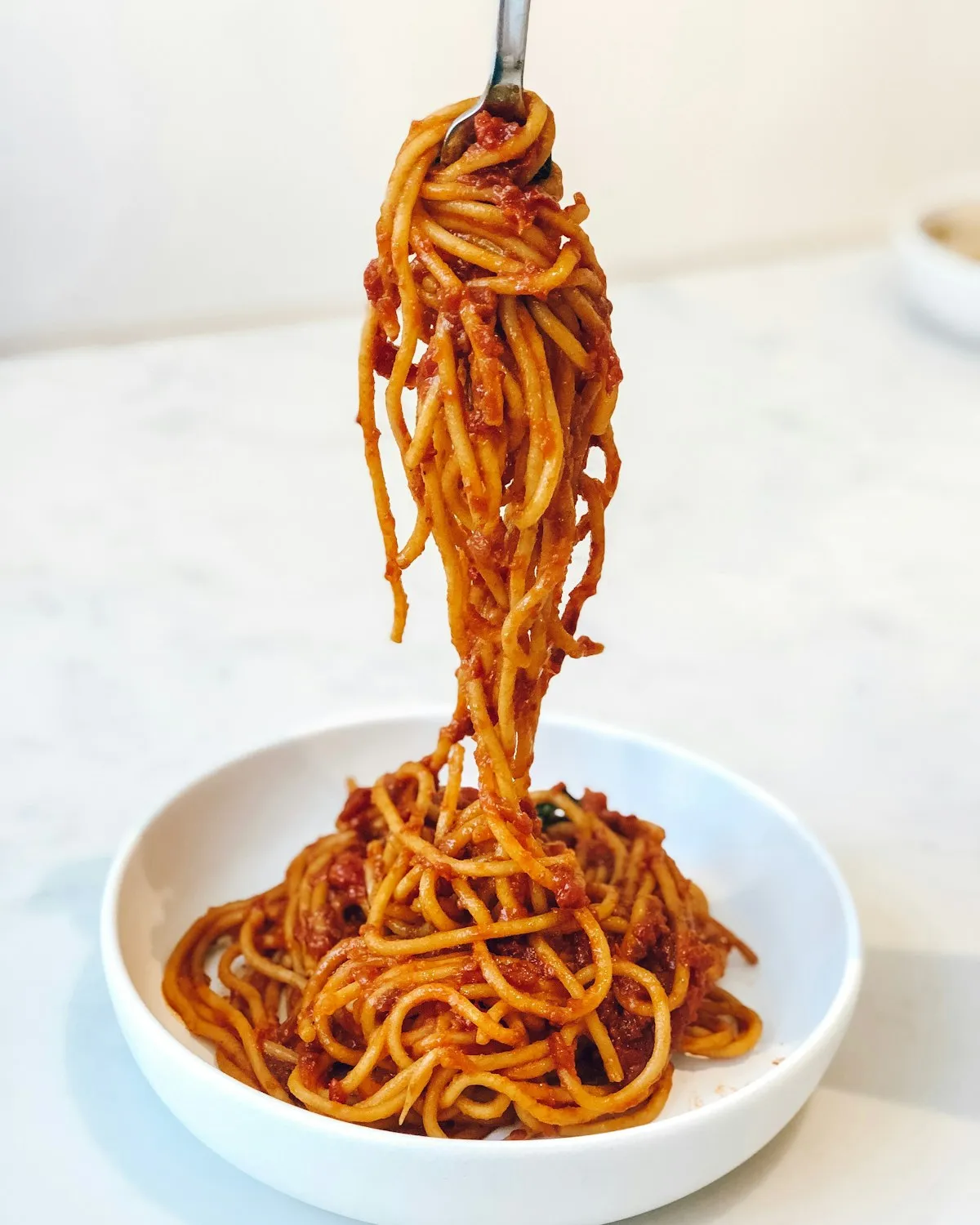
There is a profound beauty in a meal that relies on five or six humble pantry staples to create something spectacular. When I think of simple pasta recipes, Spaghetti Aglio e Olio is the undisputed king. It is the dish you make when the fridge is looking bare, yet you want a dinner that feels like a luxury. By adding deeply charred, roasted broccoli to the mix, you transform a minimalist classic into one of those quick family meals that hits every nutritional and flavor note. This post isn't just a guide; it’s a masterclass in the science of the two "E"s: Emulsification and Extraction.
The Science of the Silky Sauce
The magic of Aglio e Olio doesn't happen in the pasta pot; it happens in the skillet. If you have ever ended up with a pool of oil at the bottom of your bowl and dry noodles on top, you missed the emulsification phase. Science tells us that oil and water don’t mix, but starch is the peacekeeper that brings them together.
As your spaghetti boils, it sheds amylopectin: a type of starch: into the water. This starchy liquid acts as a surfactant. When you vigorously toss your undercooked pasta with the garlic-infused oil and a generous splash of that "liquid gold" (pasta water), the starch molecules coat the oil droplets, preventing them from coalescing. This creates a creamy, stable emulsion that clings to every strand.
Techniques for Maximum Flavor Extraction
Start with a Cold Pan
Avoid the temptation to drop your garlic into a screaming hot pan. To achieve the best flavor without bitterness, place your sliced garlic and olive oil in a cold skillet, then turn the heat to medium-low. This slow ramp-up allows the oil to extract the aromatic compounds from the garlic gently. Look for the garlic to turn translucent and blonde, never dark brown. Brown garlic is the enemy of a good Aglio e Olio; it turns acrid and ruins the delicate balance of the dish.
The Power of Dryness in Roasting
While the pasta is the star, the roasted broccoli provides the necessary texture. To achieve those crispy, charred edges that taste almost like popcorn, you must prioritize dryness. After washing your broccoli, dry it thoroughly. If there is water on the surface, the oven's heat will spend its energy evaporating that moisture (steaming) rather than browning the vegetable (the Maillard reaction).
Give Them Space
Use a large baking sheet and spread the florets out. If you crowd the pan, the broccoli releases moisture that gets trapped between the pieces, leading to a mushy, sad result. Give each floret its own "personal space" so the hot air can circulate and create those sweet, caramelized edges. If you're looking for even faster healthy dinner ideas, you can use this same technique for air fryer recipes dinner by air-frying the florets at 400°F for about 8 minutes.
Essential Tips for Success
- Undercook your pasta: Take the spaghetti out of the water about two minutes before the package says it's "al dente." It will finish cooking in the skillet while it absorbs the sauce.
- Emulsify with intensity: Don't be gentle. Use tongs or a flick of the wrist to toss the pasta aggressively as you add the water. This mechanical action is what breaks the oil into the tiny droplets needed for a glossy finish.
- Check the seasoning early: Salt your pasta water until it tastes like the sea. Since this dish has so few ingredients, the salt in the water is your primary source of seasoning for the noodles themselves.
- Use high-quality oil: Since olive oil is the base of the sauce, use the best extra virgin olive oil you have. You will taste the difference.
Variations to Suit Your Cravings
The beauty of simple pasta recipes is their versatility. While the garlic, oil, and broccoli base is perfect on its own, you can easily pivot based on what you have in the pantry.
If you want more protein, seared shrimp or a handful of chickpeas are excellent additions. The shrimp can be tossed into the skillet during the final two minutes of pasta cooking, where they will poach gently in the emulsified sauce. For a hit of umami, add two or three anchovy fillets to the oil along with the garlic; they will dissolve completely, leaving behind a savory depth that guests won't be able to quite identify.
For those who enjoy a bit of crunch, consider making a "pangrattato" or poor man's parmesan. Toast some coarse sourdough breadcrumbs in a separate pan with a little oil and lemon zest, then sprinkle them over the finished dish. This provides a fantastic textural contrast to the soft pasta and tender-crisp broccoli. If you are exploring quick family meals for a weekend, adding a squeeze of fresh lemon juice at the very end will brighten the entire flavor profile and cut through the richness of the oil.
Side Dish Pairings for a Balanced Plate
When serving a dish as rich and savory as Aglio e Olio, you want side dishes that provide acidity and freshness to cleanse the palate. A simple arugula salad with a sharp lemon vinaigrette is my go-to. The peppery bite of the arugula and the acid from the lemon perfectly balance the garlic-heavy pasta.
If you want to stay within the realm of healthy dinner ideas, a side of marinated tomatoes with fresh basil and a drizzle of balsamic glaze works wonders. The sweetness of the tomatoes complements the charred, nutty flavor of the roasted broccoli. For those who can't imagine pasta without bread, a thin slice of toasted ciabatta rubbed with a raw garlic clove is traditional, though perhaps redundant if you've followed my advice on the sauce!
Frequently Asked Questions
Why is my sauce still oily and not creamy?
This usually happens for one of two reasons: either you didn't use enough pasta water, or you didn't toss the pasta vigorously enough. The starch in the water is the glue. If the sauce looks broken, add another splash of boiling pasta water and turn the heat up slightly while stirring rapidly.
Can I use frozen broccoli for roasting?
You can, but be warned: it will never get as crispy as fresh broccoli. Frozen broccoli has been blanched and its cell walls are compromised, meaning it releases more water. If using frozen, roast it directly from frozen at a very high temperature (450°F) to evaporate the moisture as quickly as possible. Alternatively, look into air fryer recipes dinner techniques for frozen veggies, as the convection fan helps immensely with moisture removal.
My garlic tastes bitter: what went wrong?
You likely burnt it. Garlic contains sugars that caramelize quickly and then turn bitter once they pass a golden-brown hue. Next time, keep your heat lower and move the garlic around the pan constantly. If it turns dark brown, it’s best to toss it and start over.
What is the best pasta shape for this?
Long, thin strands like spaghetti, linguine, or spaghettini are traditional because they provide more surface area for the thin oil-based sauce to cling to. Short shapes like penne tend to let the oil pool inside the holes rather than coating the exterior.
How do I store and reheat leftovers?
Pasta with oil-based sauces doesn't reheat quite as well as tomato-based ones because the emulsion breaks when cooled. To reheat, add the pasta to a skillet with a tiny splash of water and a drizzle of fresh oil over medium-low heat. Toss constantly until the sauce re-emulsifies and the pasta is warmed through. Avoid the microwave if possible, as it tends to turn the oil greasy.
{“@type”:”BlogPosting”,”image”:”https://cdn.marblism.com/hqGKoaCwUNt.webp”,”author”:{“name”:”Penny”,”@type”:”Person”},”@context”:”https://schema.org”,”headline”:”Simple Pasta Recipes: Spaghetti Aglio e Olio with Roasted Broccoli”,”publisher”:{“logo”:{“url”:”https://cookpedia.com/logo.png”,”@type”:”ImageObject”},”name”:”Cookpedia”,”@type”:”Organization”},”mainEntity”:[{“name”:”Why is my sauce still oily and not creamy?”,”@type”:”Question”,”acceptedAnswer”:{“text”:”This usually happens if you didn’t use enough starchy pasta water or didn’t toss the pasta vigorously enough. The starch acts as an emulsifier to bind the oil and water into a creamy sauce.”,”@type”:”Answer”}},{“name”:”Can I use frozen broccoli for roasting?”,”@type”:”Question”,”acceptedAnswer”:{“text”:”Yes, but it won’t be as crispy. Roast at a higher temperature (450°F) directly from frozen to help evaporate the extra moisture quickly.”,”@type”:”Answer”}},{“name”:”Why does my garlic taste bitter?”,”@type”:”Question”,”acceptedAnswer”:{“text”:”Garlic becomes bitter when it is overcooked or burnt. Start in a cold pan with olive oil and keep the heat at medium-low to gently infuse the flavor without browning it too much.”,”@type”:”Answer”}}],”description”:”Learn the science behind the perfect Spaghetti Aglio e Olio combined with charred roasted broccoli. A masterclass in emulsification and flavor for quick family meals.”,”datePublished”:”2026-07-27″,”mainEntityOfPage”:{“@id”:”https://cookpedia.com/simple-pasta-recipes-aglio-e-olio-broccoli”,”@type”:”WebPage”}}