Recipe
Servings
Servings 1×
Ingredients
- Chicken
- Shrimp
- Pasta
- Noodles
- Spinach
- Kale
- Tomatoes
- Garlic
- Pesto
- Cooking oil
- Black pepper
Method
- Start with cold ingredients.
- Use a food processor that has been chilled in the fridge for a few minutes if you can.
- Heat is the enemy of pesto; it triggers polyphenol oxidase, an enzyme that turns your beautiful basil brown and bitter.
- Add the cheese at the very last second.
- Use a tablespoon of it in your pesto to reinforce the flavor profile.
When you are staring at a half-empty pantry on a Tuesday night, you don't need a miracle; you need a strategy. This Simple Pasta with Pesto and Sun-Dried Tomatoes is my go-to for those moments when time is tight but your standards for flavor remain high. It belongs in the hall of fame for quick family meals because it transforms basic pantry staples into a sophisticated, soul-warming bowl of comfort. If you are constantly searching for healthy dinner ideas that don't require an hour at the stove, this recipe is your new best friend.
The Science of the Perfect Pesto Emulsion
To master this dish, you have to understand that pesto is not just a "sauce": it is a fragile oil-in-water emulsion. Think of it like a delicate chemistry experiment where the goal is to suspend microscopic oil droplets within a base of water released from basil leaves and garlic. When done correctly, you get a creamy, vibrant green coating. When done poorly, you get a greasy puddle at the bottom of your bowl.
Start with cold ingredients. This is a non-negotiable rule in my kitchen. Use a food processor that has been chilled in the fridge for a few minutes if you can. Heat is the enemy of pesto; it triggers polyphenol oxidase, an enzyme that turns your beautiful basil brown and bitter. By keeping the blades and ingredients cold, you preserve that brilliant chlorophyll.
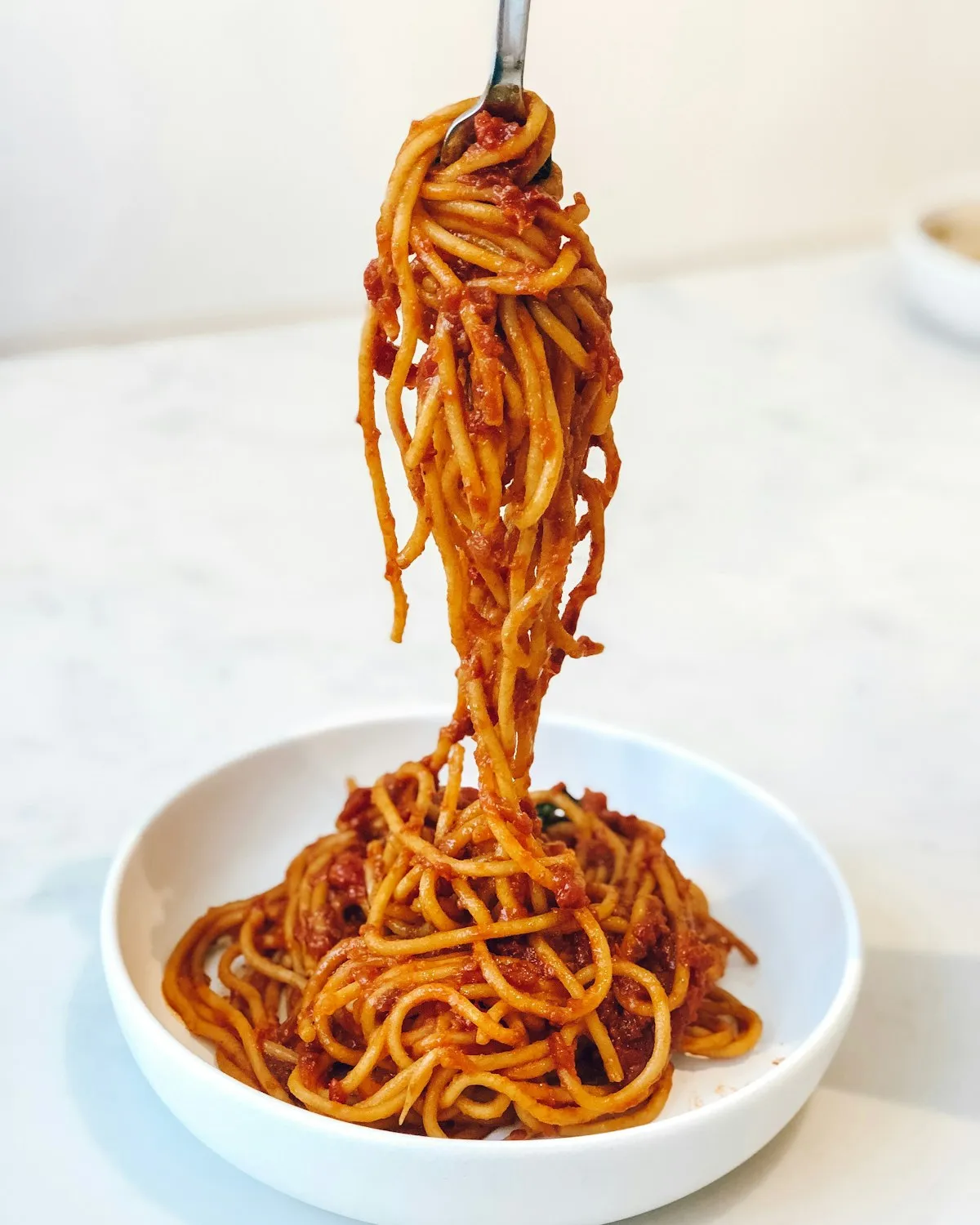
When you begin processing, handle the basil first. Pulse the leaves alone until they form a fine, uniform paste. This step hydrates the natural pectins in the basil cell walls, which act as hydrocolloids to trap the oil you’ll add later. Only after the basil is broken down should you introduce your garlic and nuts. The garlic provides mucilage: a slimy polysaccharide: that further stabilizes the emulsion.
Drizzle your olive oil in a thin, steady stream while the processor is running on its lowest setting. This "slow-and-steady" approach creates smaller oil droplets, leading to a much smoother and more stable sauce. Add the cheese at the very last second. If you over-process the cheese, the proteins can destabilize the whole mixture. Aim for a sauce that looks unified and lush.
Mastering the Sun-Dried Tomato Balance
Sun-dried tomatoes are the heavy hitters of the pantry. They offer a concentrated punch of umami and acidity that cuts through the richness of the pine nuts and cheese. However, they can also throw off your sauce's texture if you aren't careful.
If you are using oil-packed tomatoes, drain them thoroughly but don't toss that oil! It’s liquid gold, infused with tomato essence. Use a tablespoon of it in your pesto to reinforce the flavor profile. If your tomatoes are the dry-packed variety, rehydrate them in a bit of warm water for ten minutes before using. This prevents them from absorbing too much moisture from the pesto itself, which would leave your pasta feeling chalky.
The real magic happens when the pasta meets the sauce. Always reserve at least a cup of that cloudy, starchy pasta water before you drain the pot. This water is essentially a thin "glue." When you toss the hot pasta with the pesto and a splash of this liquid, the starch acts as a bridge, helping the oil-based sauce cling to the smooth surface of the noodles. Watch for the transformation: the sauce will turn from a dark, oily green to a pale, creamy velvet that coats every single strand.
Flavor Variations and Texture Tweaks
While the classic basil-pine nut combo is iconic, you can easily pivot based on what is in your fridge. Swap the pine nuts for toasted walnuts or even sunflower seeds for a more earthy, budget-friendly profile. If you want to lean into more healthy dinner ideas, try a "power green" pesto by replacing half the basil with baby spinach or blanched kale.
For those who crave a bit of heat, add a pinch of red pepper flakes into the oil-drizzling phase. This allows the capsaicin to infuse throughout the entire sauce rather than just hitting you in random spicy hot spots. You can also experiment with the tomatoes; try "blistering" fresh cherry tomatoes in a pan until they burst, then folding those in alongside the sun-dried versions. This adds a pop of fresh acidity that balances the deep, concentrated sweetness of the dried fruit.
If you are looking to add protein, seared shrimp or sliced grilled chicken work beautifully. However, keep the pieces small so they don't overwhelm the delicate texture of the pasta. The goal is a balanced forkful every time.
Side Dish Pairings for Perfect Balance
Pesto is incredibly rich: it’s packed with fats from the oil, nuts, and cheese. To make this a complete meal, you need side dishes that provide high acidity or a crisp, refreshing crunch to reset your palate.
A simple arugula salad with a sharp lemon vinaigrette is the classic choice. The peppery bite of the greens cuts right through the garlic and parmesan. Alternatively, roasted vegetables are a great way to round out the plate. If you often use air fryer recipes dinner tricks, try tossing some broccoli florets or asparagus spears with just a hint of lemon zest and salt in the air fryer. The charred edges of the vegetables provide a smoky contrast to the bright, herbal pasta.
Don't forget the bread. A crusty baguette or a piece of sourdough is essential for swiping up every last bit of that emulsified pesto from the bottom of the bowl.
Frequently Asked Questions
Why did my pesto turn brown as soon as it hit the pasta?
This is usually caused by heat or oxidation. If your pasta is screaming hot and you keep the pan on the burner while mixing, you are essentially cooking the basil, which destroys its color. Always toss your pesto with the pasta off the heat. The residual warmth of the noodles and the splash of pasta water is more than enough to create a creamy sauce without "cooking" the delicate herbs.
Can I make the pesto in a blender instead of a food processor?
You can, but proceed with caution. Blenders generate more friction and heat than food processors. Use the "pulse" setting rather than a continuous blend. If the container feels warm to the touch, stop immediately and let it cool down. A grainy, hand-chopped pesto (made with a sharp knife or a mortar and pestle) is actually superior in texture to a blender-pureed one, so don't be afraid to go old-school if you lack a processor.
My sauce is very oily and won't stick to the pasta. What happened?
The emulsion broke. This often happens if you didn't use enough starchy pasta water or if you used a pasta shape that is too smooth (like some brands of cheap angel hair). Ensure you are using pasta with a bit of "texture" (look for "bronze-cut" on the label) and toss vigorously. The mechanical action of tossing creates the shear force needed to re-emulsify the oil into the water phase.
How do I store leftovers without them becoming a dry mess?
Pesto pasta is notoriously difficult to reheat because the emulsion breaks when microwaved. If you have leftovers, store them with an extra drizzle of olive oil on top to create a seal against oxygen. When reheating, add a teaspoon of water and heat it very gently on the stove over low heat, stirring constantly to encourage the sauce to come back together.
Is it possible to make this vegan?
Absolutely. Replace the parmesan with nutritional yeast or a high-quality vegan parmesan alternative. The nutritional yeast provides that necessary savory "funk" that balances the basil. You may need to add a touch more salt, as cheese provides a significant amount of the seasoning in a traditional pesto pasta.
{“@type”:”BlogPosting”,”image”:”https://cdn.marblism.com/iNgcmldCag8.webp”,”author”:{“name”:”Penny”,”@type”:”Person”},”@context”:”https://schema.org”,”headline”:”Simple Pasta with Pesto and Sun-Dried Tomatoes”,”publisher”:{“logo”:{“url”:”https://cdn.marblism.com/KxroJ1kM_KA.webp”,”@type”:”ImageObject”},”name”:”Cookpedia”,”@type”:”Organization”},”description”:”Learn the science of the perfect pesto emulsion and how to create a creamy, vibrant pasta dish using pantry staples like sun-dried tomatoes.”,”datePublished”:”2026-07-09″,”mainEntityOfPage”:{“@id”:”https://cookpedia.com/simple-pasta-pesto-sun-dried-tomatoes”,”@type”:”WebPage”}}