Recipe
Servings
Servings 1×
Ingredients
- Chicken
- Shrimp
- Tofu
- Chickpeas
- Fettuccine
- Penne
- Pasta
- Lemon
- Cream
- Hard cheese
- Cooking oil
- Black pepper
Method
- Prepare the ingredients described in the article and heat the cooking surface or oven as directed.
- Cook the main ingredients using the heat and timing guidance in the article.
- Finish with the seasonings and garnishes named in the article, then serve.
You know those nights when you want something that tastes like a four-hour labor of love, but your brain only has about twenty minutes of fuel left? That is exactly where this roasted red pepper sauce shines. It is soulful, vibrant, and surprisingly sophisticated for a dish that mostly involves a blender. By focusing on high-impact flavors like charred peppers and sharp aromatics, you can transform a humble box of pasta into a restaurant-quality meal without the frantic cleanup.
The Science of the Perfect Emulsion
The secret to a sauce that clings to your pasta rather than pooling at the bottom of the bowl isn't magic, it’s chemistry. When you blend roasted red peppers with a fat source, whether that is heavy cream, high-quality olive oil, or even soaked cashews, you are creating a culinary emulsion. This is the process of suspending tiny fat droplets in a water-based liquid (the pepper juices). To keep this emulsion from "breaking" and becoming greasy, you need a stabilizer.
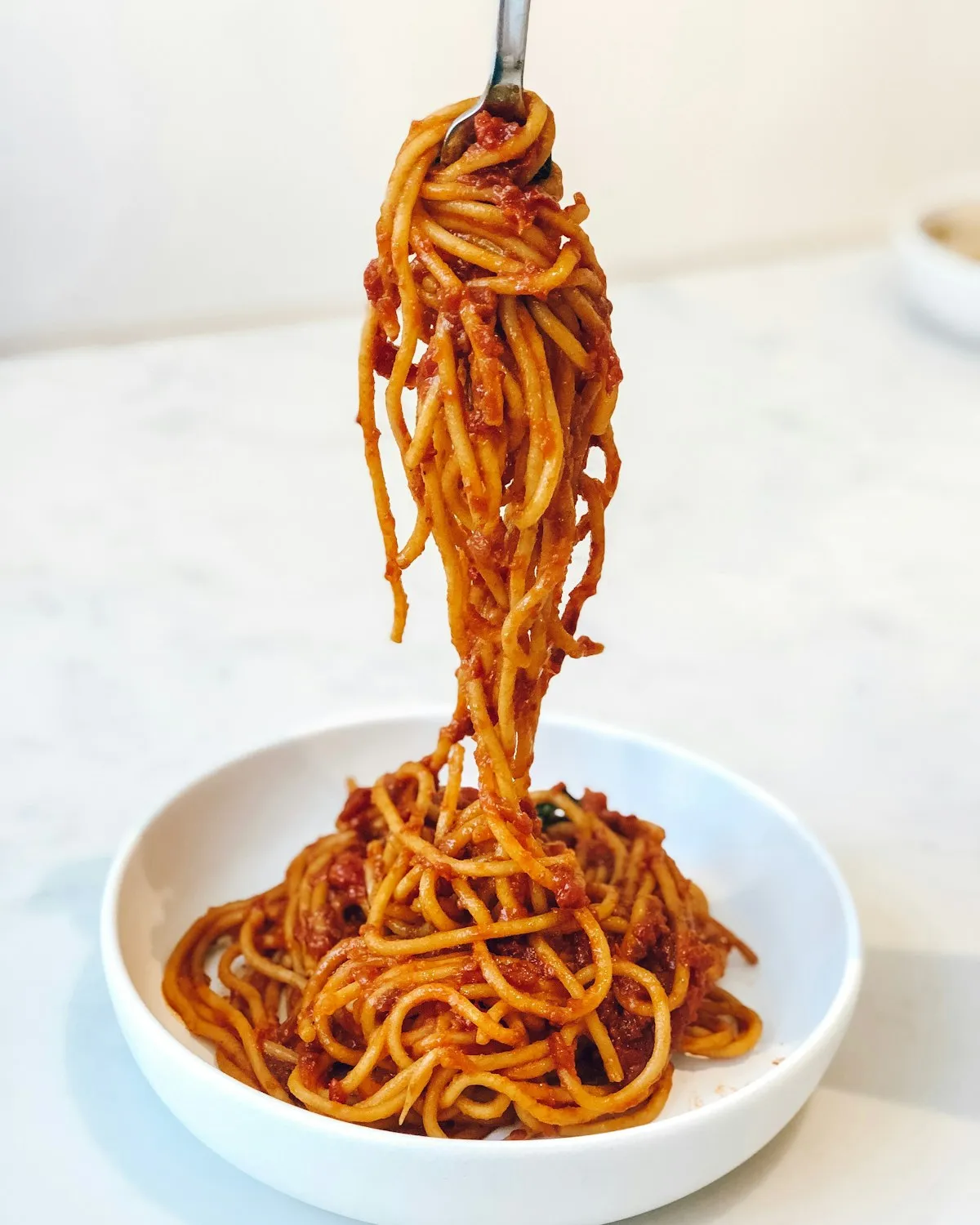
Enter: pasta water. Never, under any circumstances, should you dump all your pasta water down the drain. This "liquid gold" is packed with starch that acts as a bridge between the fat in your sauce and the water in the peppers. When you toss your nearly finished pasta into the sauce and add a splash of that starchy water, you are essentially "tightening" the sauce. It creates a glossy, velvety coating that grips every strand of fettuccine.
Roasting the peppers is the second non-negotiable for high-impact flavor. If you have the time, roast them over an open flame or under a broiler until the skin is completely blackened. This process, known as the Maillard reaction, concentrates the sugars and adds a smoky depth that jarred peppers simply can't replicate. If you're looking for quick family meals, using high-quality jarred peppers is a fantastic shortcut, but make sure to drain them thoroughly and perhaps add a pinch of smoked paprika to mimic that "fire-kissed" essence.
Balancing the Flavor Axes
A common mistake with pepper-based sauces is letting them become too sweet. Roasted bell peppers are naturally high in sugar, and when you concentrate them into a sauce, it can taste a bit flat or one-dimensional. To fix this, you must think about balance. Use a splash of acidity, red wine vinegar or a squeeze of lemon, to cut through the richness of the cream and the sweetness of the peppers.
Don't forget the umami. While the peppers provide the body, adding a hard cheese like Parmesan or even a teaspoon of tomato paste adds a savory backbone that makes the dish feel "complete." If you are exploring healthy dinner ideas, you can swap the heavy cream for a splash of pasta water and a drizzle of extra virgin olive oil, which creates a lighter, fruitier emulsion that highlights the freshness of the vegetables.
Creative Variations
This sauce is an incredible canvas for whatever is in your fridge. If you want to lean into the smoky profile, add a chipotle pepper in adobo to the blender for a spicy, southwestern twist. For a protein boost, this sauce pairs beautifully with grilled shrimp or sliced chicken. If you have an air fryer, try making air fryer recipes dinner style additions, like crispy chickpeas or seasoned tofu cubes, to add a crunch that contrasts the creamy sauce.
For a vegan version, skip the dairy entirely. Blend the roasted peppers with a quarter cup of toasted walnuts or pine nuts. The natural fats in the nuts provide the same creamy mouthfeel as dairy but add a delightful earthiness. You can also experiment with different pasta shapes; while long strands are classic, ridged shapes like rigatoni or penne are excellent for trapping that thick, vibrant sauce inside their hollow centers.
Side Dish Pairings
Since this pasta is rich and slightly sweet, you want side dishes that offer a crisp, acidic, or bitter contrast. A simple arugula salad with a sharp lemon vinaigrette is my go-to choice. The peppery bite of the arugula cuts right through the creaminess of the pepper sauce, refreshing your palate between bites.
If you want something heartier, consider roasted brassicas. A side of keto garlic parmesan roasted broccoli provides a wonderful charred flavor that echoes the smokiness of the roasted peppers. And of course, no pasta night is complete without something to mop up the extra sauce. A crusty piece of sourdough or garlic bread is essential for ensuring not a single drop of that red gold goes to waste.
Frequently Asked Questions
Why did my sauce turn out watery instead of creamy?
This usually happens if you didn't reduce the sauce enough or if you added too much pasta water too quickly. The key is to simmer the blended sauce for a few minutes before adding the pasta. This allows some of the excess moisture to evaporate. When you add the pasta water, do it a tablespoon at a time while tossing vigorously. The mechanical action of tossing helps the fat and water bind together.
Can I make this sauce ahead of time?
Absolutely. This sauce actually tastes better the next day after the flavors have had time to meld. Store it in an airtight jar in the fridge for up to four days. When you’re ready to eat, reheat it gently in a pan. You may need to add a fresh splash of water or a tiny bit of cream to loosen it back up, as it will thicken significantly when cold.
Is it necessary to peel the peppers?
If you roasted them yourself until the skins are charred, then yes, you must peel them. The blackened skin becomes tough and bitter, which will ruin the smooth texture of your sauce. The easiest way to do this is to place the hot, charred peppers in a bowl and cover it with plastic wrap for ten minutes. The steam loosens the skins, allowing them to slip right off. Avoid rinsing the peppers under water, though, as you’ll wash away all those flavorful oils.
Can I use this sauce for things other than pasta?
This sauce is surprisingly versatile. It makes an excellent base for a shakshuka-style brunch, or you can use it as a sophisticated dipping sauce for grilled meats. It’s also a fantastic "pizza sauce" alternative if you want something a bit sweeter and smokier than traditional tomato sauce.
What if I don't have a blender?
While a blender gives you that perfectly smooth, silky texture, you can use a food processor for a more "rustic" and chunky version. If you have neither, you can finely mince the roasted peppers and aromatics by hand and whisk them vigorously with the cream and cheese, though the emulsion won't be as stable.
{“@type”:”BlogPosting”,”image”:”https://cdn.marblism.com/Kj10keal0n9.webp”,”author”:{“name”:”Penny”,”@type”:”Person”},”@context”:”https://schema.org”,”headline”:”Simple Pasta with Roasted Red Pepper Sauce”,”keywords”:”air fryer recipes dinner, quick family meals, healthy dinner ideas, roasted red pepper sauce, pasta science”,”publisher”:{“logo”:{“url”:”https://cookpedia.com/logo.png”,”@type”:”ImageObject”},”name”:”Cookpedia”,”@type”:”Organization”},”description”:”Learn the science behind a perfect, glossy roasted red pepper pasta sauce. A quick, soulful weeknight meal for busy home cooks.”,”datePublished”:”2026-07-10″,”articleSection”:”Recipes”,”mainEntityOfPage”:{“@id”:”https://cookpedia.com/simple-pasta-roasted-red-pepper-sauce”,”@type”:”WebPage”}}