Recipe
Servings
Servings 1×
Ingredients
- Shrimp
- Quinoa
- Rice
- Bread
- Broccoli
- Spinach
- Tomatoes
- Garlic
- Lemon
- Butter
- Cooking oil
- Black pepper
Method
- Use a paper towel and pat them dry, I mean really dry, before they even touch the fat.
- Give them about two minutes on the first side until you see the edges turning opaque and pink, then flip.
- Add your minced garlic toward the end or lower the heat before introducing it to the fat.
You know those nights when you stare into the fridge, and the thought of cooking a multi-step feast feels like a mountain you just can’t climb? I’ve been there more times than I’d like to admit. That’s where the magic of the 15-minute meal comes in. My garlic butter shrimp is the ultimate soulful solution, it’s fast, elegant, and packs a punch that makes you feel like you’ve actually tried. It is one of those quick healthy meals that proves minimalism is often the highest form of culinary art.
The Science of the Sizzle: Tips & Techniques
To get that restaurant-quality finish in your own kitchen, you have to understand the chemistry of the shrimp. Shrimp are essentially little bundles of lean protein and water. If you treat them with respect, they’re tender and sweet; if you ignore the clock, they turn into rubber erasers.
Mastering the Maillard Reaction
First things first: moisture is the enemy of a good sear. If your shrimp hit the pan wet, they’ll steam in their own juices rather than browning. Use a paper towel and pat them dry, I mean really dry, before they even touch the fat. This allows the Maillard reaction to take place immediately. This chemical reaction between amino acids and reducing sugars is what gives you that savory, "browned" flavor that differentiates a home-cooked meal from a professional one.
The Anatomy of the Cook
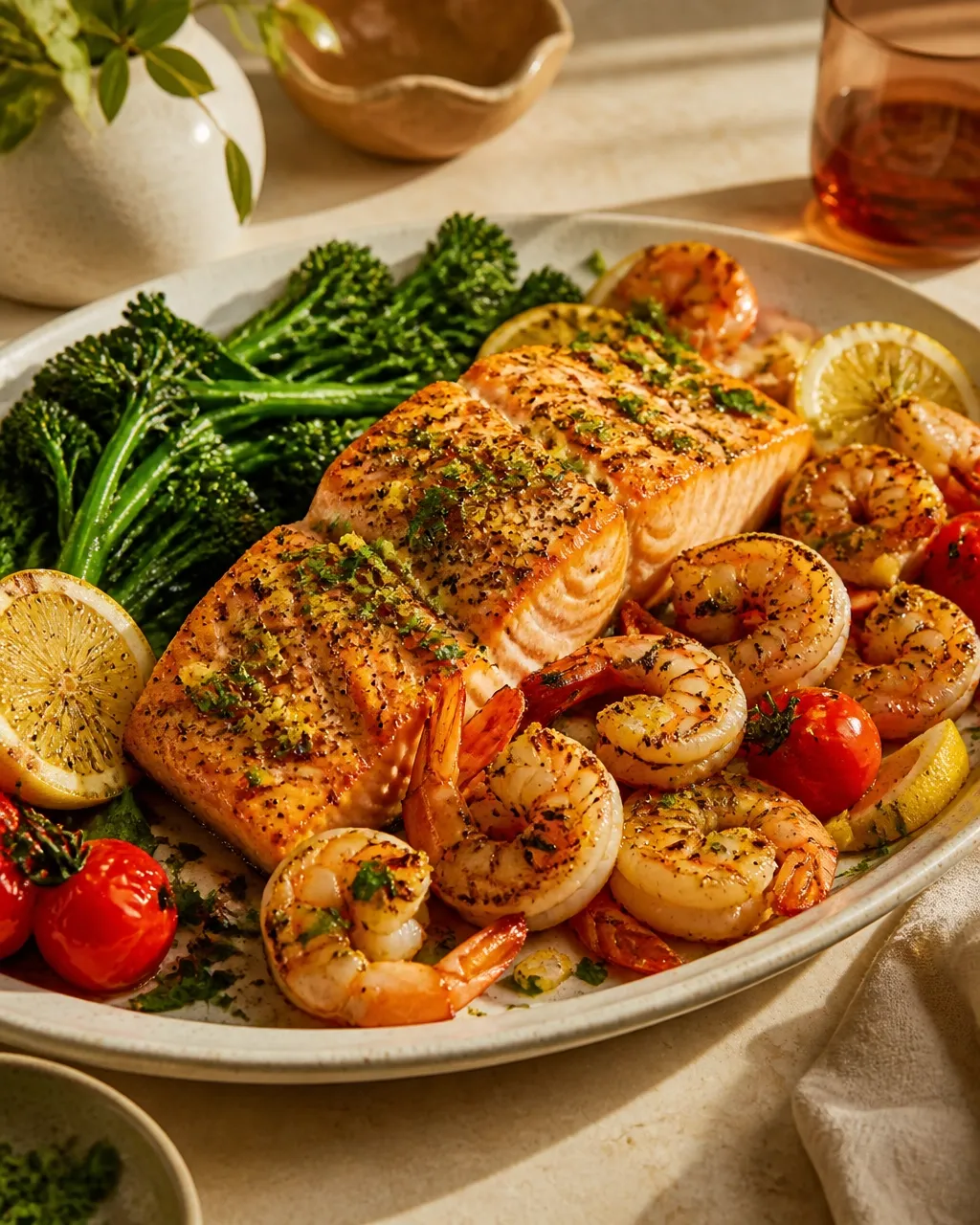
Watch the shape. A perfectly cooked shrimp forms a gentle "C" shape. If it curls into a tight "O," you’ve gone too far. The protein fibers have contracted so much that they’ve squeezed out all the moisture. Stick to a high-heat, short-duration strategy. Give them about two minutes on the first side until you see the edges turning opaque and pink, then flip.
Garlic Management and the Butter Finish
Garlic is a delicate beast. If you throw it into a ripping hot pan at the beginning, it will burn and turn bitter before the shrimp even realize they’re being cooked. Add your minced garlic toward the end or lower the heat before introducing it to the fat.
Speaking of fat, use a combination of oil and butter. Oil has a higher smoke point, which protects the butter from burning, while the butter provides that silky, rich mouthfeel. When you finish the dish, pull the pan off the heat and swirl in a final knob of cold butter. This creates a quick emulsion with the lemon juice and pan drippings, resulting in a glossy sauce that clings to every shrimp. If you’ve ever mastered my Spicy Tomato Basil Linguine, you already know how important a glossy finish is for a soulful plate.
Soulful Variations for Every Mood
The beauty of this minimalist base is how easily it adapts to your pantry. While garlic and butter are the core pillars, you can pivot the flavor profile with just one or two small additions.
- The Mediterranean Pivot: Toss in a handful of halved cherry tomatoes and a sprinkle of dried oregano. The acidity from the tomatoes breaks down during the brief cook time, adding a jammy sweetness that balances the rich butter.
- The Heat Seeker: Add red pepper flakes to the oil at the very beginning. This infuses the fat with spice, ensuring the heat is distributed evenly rather than just sitting on the surface.
- The Smoky Depth: If you’re a fan of air fryer recipes dinner styles that lean into bold flavors, try adding a teaspoon of smoked paprika. It gives the shrimp a gorgeous copper hue and a deep, woodsy aroma that feels much more complex than a 15-minute meal has any right to be.
Perfect Side Dish Pairings
Because the shrimp cook so fast, your sides should be equally efficient. You want something that can act as a sponge for that liquid gold sauce.
- Grains for Balance: A bed of fluffy quinoa or brown rice is my go-to. It’s one of those healthy dinner ideas that fills you up without weighing you down. The grain soaks up the garlic butter, making the last bite just as good as the first.
- Greens for Acidity: A side of quickly steamed broccoli or sautéed spinach with a splash of extra lemon juice provides a necessary hit of brightness. The bitterness of the greens cuts through the fat of the butter, resetting your palate between bites.
- Minimalist Toast: Never underestimate a thick slice of crusty sourdough. Rub it with a raw garlic clove and toast it in a separate pan. Use it to mop up every last drop of the sauce.
Frequently Asked "What If" Questions
What if I only have frozen shrimp?
Don’t panic. Frozen shrimp are often "fresher" than the ones at the seafood counter because they are flash-frozen right on the boat. To thaw them quickly, place them in a bowl of cold water (never hot!) for about 10–15 minutes. Once they are pliable, proceed with the drying step. Never skip the drying, frozen shrimp carry extra moisture, and skipping the towel will result in gray, boiled-tasting shrimp.
Should I leave the tails on or off?
This is a point of contention in many quick family meals, but I stand firmly on Team Tail-On for cooking. The shells and tails contain a high concentration of glutamates, which add extra savory depth to your sauce as they simmer. Plus, they act as a little handle for guests if you're serving these as an appetizer. However, if you’re tossing them into pasta, feel free to remove them beforehand for easier eating.
Can I make this with margarine or oil only?
You can, but you lose the soul of the dish. Margarine has a high water content and won't emulsify into that luxurious sauce we’re looking for. If you must avoid dairy, use a high-quality vegan butter substitute or stick to a fruity extra virgin olive oil and double down on the lemon zest to provide the "brightness" that the butter usually carries.
My garlic turned blue or green! Is it safe?
Yes, it’s safe! This is a natural reaction between the sulfur compounds in garlic and any acidity (like lemon juice) in the pan. It usually happens with older garlic. It looks a bit sci-fi, but the flavor remains largely the same. To avoid this, use the freshest garlic you can find and add the lemon juice at the very end.
How do I store leftovers without them getting tough?
Shrimp are notoriously bad at being reheated. If you have leftovers, eat them cold in a salad or a wrap the next day. If you must reheat, do it very gently in a pan with a splash of water and a lid just until they are warm to the touch. Avoid the microwave at all costs, unless you enjoy eating rubber.
{“@type”:”BlogPosting”,”image”:”https://cdn.marblism.com/xvGXEDv62Uj.webp”,”author”:{“name”:”Cookpedia”,”@type”:”Organization”},”@context”:”https://schema.org”,”headline”:”Simply Savory: 15-Minute Garlic Butter Shrimp”,”publisher”:{“logo”:{“url”:”https://cookpedia.com/logo.png”,”@type”:”ImageObject”},”name”:”Cookpedia”,”@type”:”Organization”},”description”:”A minimalist, high-impact recipe for 15-Minute Garlic Butter Shrimp. Learn the science of perfect shrimp and the secrets to a glossy butter sauce.”,”datePublished”:”2026-06-05″,”mainEntityOfPage”:{“@id”:”https://cookpedia.com/simply-savory-15-minute-garlic-butter-shrimp”,”@type”:”WebPage”}}