Recipe
Servings
Servings 1×
Ingredients
- Pasta
- Noodles
- Tortillas
- Cream
- Butter
- Cooking oil
Method
- Use less water than you think you need.
- Use a high heat and toss the pan or stir aggressively with tongs.
- Use a ladle to add water in small increments, stirring constantly until the sauce looks like it’s actually part of the pasta, not just a condiment sitting on top.
We’ve all been there: you’ve boiled the noodles, tossed them with some olive oil or a jar of sauce, and ended up with a puddle of oil at the bottom of the bowl while the pasta remains tragically dry. It’s the ultimate weeknight disappointment. You don’t need a tub of heavy cream or half a stick of butter to fix this. In fact, the secret to restaurant-quality quick family meals is already in your pot: you’re just pouring it down the drain.
The Science of the "Liquid Gold" Emulsion
The secret to a silky, clingy sauce is starchy pasta water. When you boil pasta, the noodles release amylose and amylopectin: starch molecules: into the water. This cloudy liquid is a natural emulsifier. In cooking, an emulsion is a mixture of two liquids that normally don’t get along, like oil and water. Without an emulsifier, your olive oil will always separate and slide off the noodle.
To master this, you must change how you boil your water. Stop using a massive stockpot filled to the brim for a single box of pasta. Use less water than you think you need. By reducing the water-to-pasta ratio, you concentrate the starch. You want that water to look murky, almost like a thin broth. This high-concentration "liquid gold" is what acts as a molecular bridge, binding the fat in your pan to the water, creating a glossy sheen that coats every inch of the pasta.
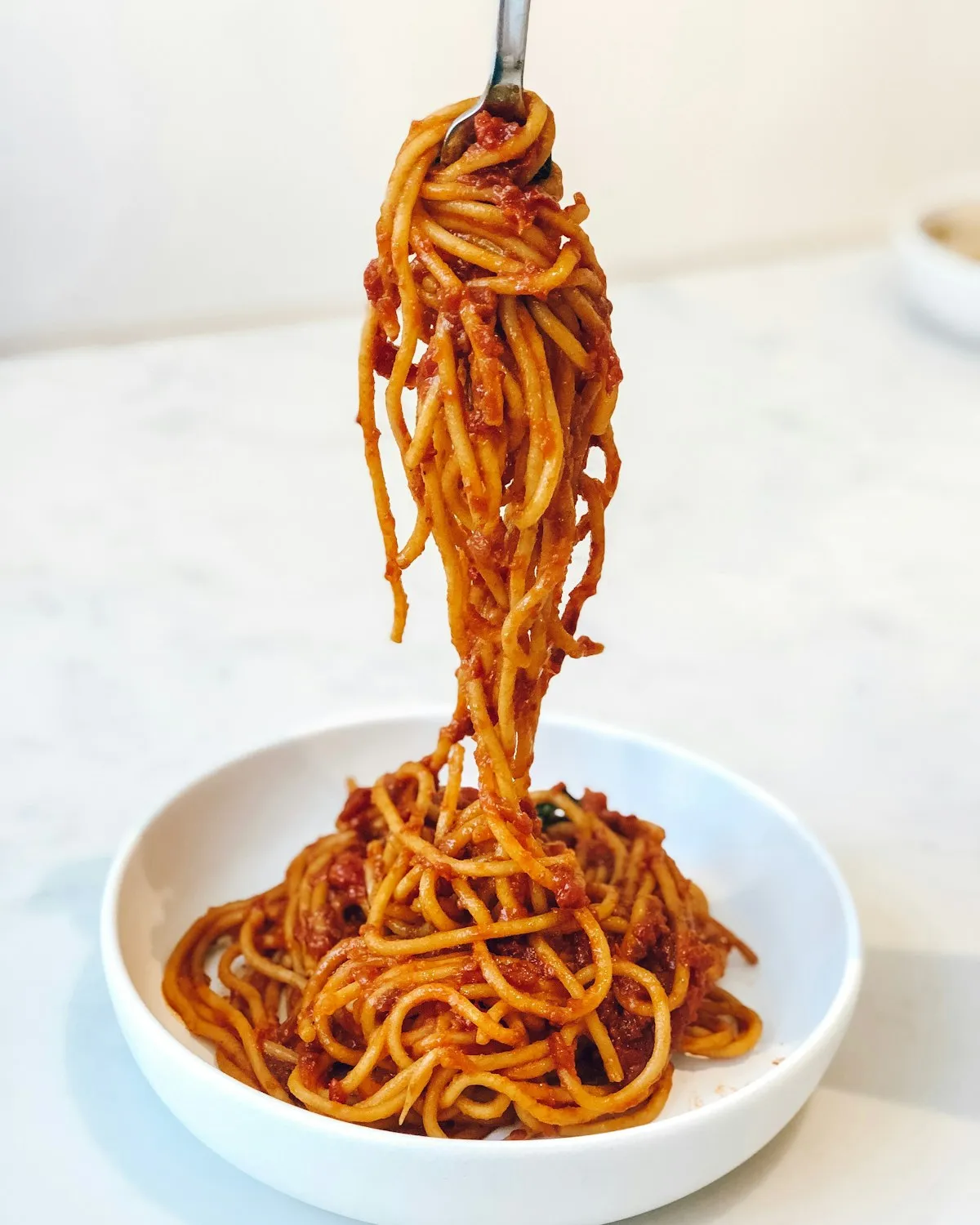
Next, embrace the Italian technique of mantecare. This isn't just a fancy word for "stirring"; it’s a vigorous tossing action. When the pasta is about a minute away from being al dente, transfer it directly into your sauce pan with a splash of that starchy water. Use a high heat and toss the pan or stir aggressively with tongs. This agitation breaks the oil into tiny droplets while the starch molecules wrap around them, preventing them from regrouping. This is how you achieve a "creamy" texture without a drop of dairy. It is one of the most effective healthy dinner ideas because you’re relying on physics rather than saturated fats for mouthfeel.
Check your heat during this process. If the pan is too cold, the emulsion won't form; if it's screaming hot and bone-dry, the oil will just fry the starch and make it sticky. You want a simmer. Use a ladle to add water in small increments, stirring constantly until the sauce looks like it’s actually part of the pasta, not just a condiment sitting on top.
Variations: Acidity, Fat, and Balance
Once you understand the starch-fat-agitation triangle, you can apply it to any of our 15-minute meals.
For a classic oil-based sauce like Aglio e Olio, your fat is high-quality extra virgin olive oil. The "creaminess" comes entirely from the emulsion of that oil with the pasta water. To balance the richness, always finish with a squeeze of fresh lemon juice or a splash of dry white wine. The acidity cuts through the fat, making the flavors pop.
If you’re leaning into a cheese-based sauce like Cacio e Pepe, the challenge is temperature. Cheese is a delicate emulsion of fat and protein. If you add it to boiling water, the proteins will tighten and clump into a rubbery mess. The trick? Mix your finely grated cheese with a little warm (not boiling) pasta water first to create a paste, then toss that paste into the pasta off the heat. The starch in the water stabilizes the cheese proteins, ensuring a smooth, grit-free result.
For tomato-based sauces, pasta water is your best friend for texture. It thins out a thick, jammy sauce so it can penetrate the ridges of the pasta, but the starch ensures it doesn't become watery. It gives the sauce a "velvet" finish that mimics the addition of butter.
Smart Side Dish Pairings
While your pasta is undergoing its scientific transformation on the stove, you need a side dish that provides a crunch or a bitter contrast to the silky noodles. A simple arugula salad with a balsamic vinaigrette is a classic choice, but if you want something more substantial, roasted vegetables are the way to go.
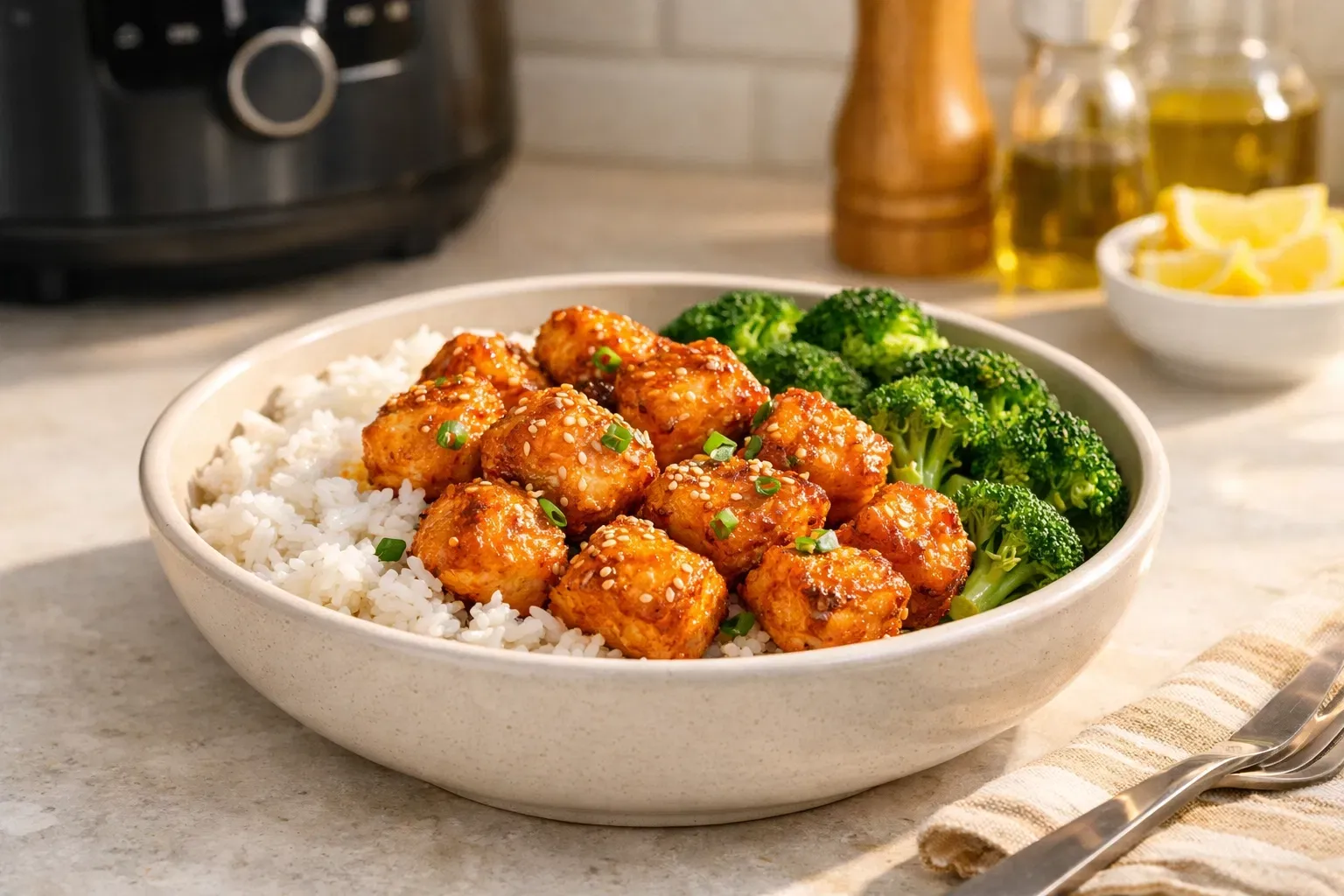
If you’re looking for efficiency, look toward air fryer recipes dinner enthusiasts swear by. Air-frying broccoli florets or sliced zucchini with a bit of lemon zest and chili flakes provides a charred, crispy texture that beautifully complements the soft, emulsified pasta. The dry heat of the air fryer creates a "maillard reaction" (browning) that adds a deep, savory flavor to the meal without adding more liquid or heaviness to the plate.
Pasta Technique FAQ
What if my sauce looks oily and broken?
This usually means you haven't added enough pasta water or you didn't stir vigorously enough. Add another splash of starchy water and turn up the heat slightly while tossing the pan back and forth. You need that agitation to force the oil and water to marry.
Can I use this trick with gluten-free pasta?
Absolutely. In fact, many gluten-free pastas (like those made from corn or rice) release even more starch into the water than wheat pasta does. Just be careful, as gluten-free noodles are often more fragile. Use a gentle hand but don't skip the water!
Should I salt the pasta water before or after it boils?
Wait until the water is at a rolling boil, then add a generous amount of salt. The salt doesn't just season the noodles; it affects how the starch gelatinizes. Aim for the "saltiness of the sea." If the water isn't seasoned, your sauce will taste flat regardless of the emulsion.
Why shouldn't I rinse my pasta?
Never, ever rinse your pasta under cold water unless you are making a cold pasta salad. Rinsing washes away all that precious starch you worked so hard to extract. If you rinse it, the sauce will simply slide off the noodles like water off a duck's back.
What is the best pasta shape for this technique?
Long, thin strands like spaghetti or linguine are great for oil-based emulsions. For cheese or tomato emulsions, shapes with ridges (like rigatoni) or "cups" (like orecchiette) are ideal because they provide more surface area for the starchy sauce to cling to.
Can I save pasta water for later?
You can, but it’s best used fresh. As it cools, the starch begins to "retrograde," or reorganize its structure, which makes it a less effective emulsifier. If you must save it, reheat it before adding it to a sauce.
{“faq”:{“@type”:”FAQPage”,”mainEntity”:[{“name”:”What if my sauce looks oily and broken?”,”@type”:”Question”,”acceptedAnswer”:{“text”:”This usually means you haven’t added enough pasta water or you didn’t stir vigorously enough. Add another splash of starchy water and turn up the heat slightly while tossing the pan.”,”@type”:”Answer”}},{“name”:”Should I rinse my pasta?”,”@type”:”Question”,”acceptedAnswer”:{“text”:”Never rinse your pasta under cold water unless making a cold salad. Rinsing washes away the essential starch needed to emulsify the sauce.”,”@type”:”Answer”}}]},”@type”:”BlogPosting”,”image”:”https://cdn.marblism.com/n2fv2NY17Rl.webp”,”author”:{“name”:”Penny”,”@type”:”Person”},”@context”:”https://schema.org”,”headline”:”The Simple Trick to Improve Your Weeknight Pasta Right Now (No Cream, No Butter Needed)”,”publisher”:{“logo”:{“url”:”https://cookpedia.com”,”@type”:”ImageObject”},”name”:”Cookpedia”,”@type”:”Organization”},”description”:”Learn the secret of starchy pasta water to create restaurant-quality, creamy sauces without cream or butter. Perfect for quick family meals and healthy dinner ideas.”,”datePublished”:”2026-07-15″,”mainEntityOfPage”:{“@id”:”https://cookpedia.com”,”@type”:”WebPage”}}