Recipe
Servings
Servings 1×
Ingredients
- White beans
- Beans
- Pasta
- Noodles
- Spinach
- Kale
- Tomatoes
- Garlic
- Lemon
- Cream
- Butter
- Cooking oil
- Soy sauce or tamari
- Sesame
- Chili seasoning
Method
- Prepare the ingredients described in the article and heat the cooking surface or oven as directed.
- Cook the main ingredients using the heat and timing guidance in the article.
- Finish with the seasonings and garnishes named in the article, then serve.
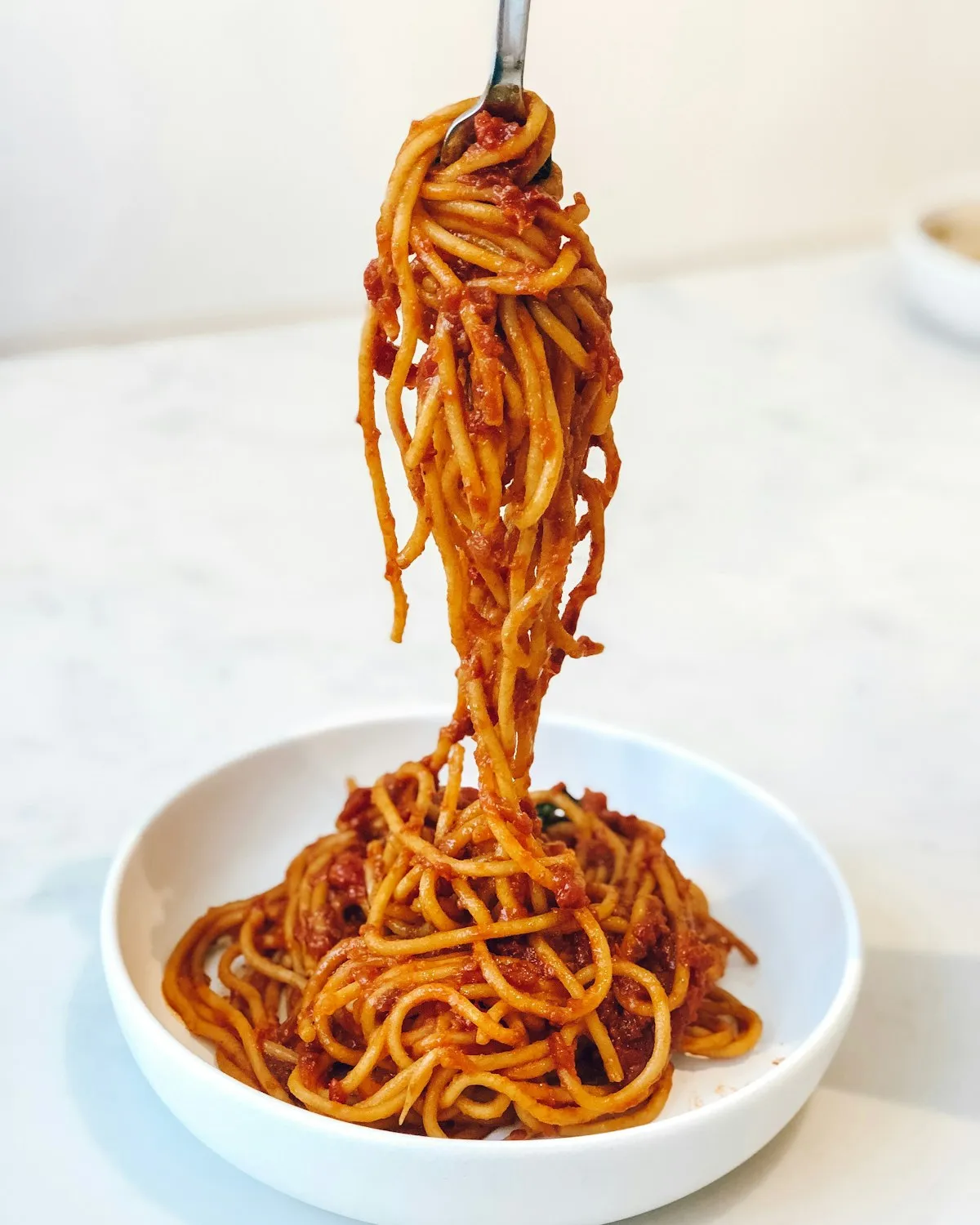
We’ve all been there: it’s 6:00 PM, the fridge is a barren wasteland of half-wilted kale and a mysterious jar of pickles, and the temptation to order takeout is screaming. Stop right there. Before you drop thirty bucks on a lukewarm delivery, look at your pantry. If you have a box of noodles, some oil, and a clove of garlic, you have a gourmet meal waiting to happen. This isn’t just about making "struggle meals"; it’s about mastering a framework for simple pasta recipes that feel like a reward rather than a last resort. I’m going to show you how to turn basic staples into high-impact, budget friendly recipes that will make you feel like a kitchen genius.
The Science of the "Sauceless" Sauce
The secret to why restaurant pasta tastes so much better than the dry, clumpy mess we often make at home isn't expensive ingredients, it’s physics. Specifically, it’s emulsification. When you toss pasta in oil alone, the oil slides right off the noodles and pools at the bottom of the bowl. To fix this, you need a bridge between the water-based pasta and the fat-based oil.
Enter the "Pasta Water" phenomenon. As pasta cooks, it releases amylose and amylopectin, two types of starch, into the water. This starchy liquid is liquid gold. When you whisk this cloudy water into your shimmering oil or butter over heat, the starch acts as a stabilizer, binding the fat and liquid together into a creamy, silky sauce that actually clings to every strand of noodle. This is the foundation of quick family meals that don't rely on heavy creams or jars of store-bought marinara.
Building the Flavor Base
Everything starts with your aromatics. Use low heat when sautéing garlic. High heat is the enemy here; it turns garlic bitter and acrid. You want "sweating," not "burning." If you’re using anchovies (and you should, they dissolve into pure umami), let them melt into the oil until they vanish. This creates a concentrated "paste" that provides the backbone of your dish.
The Heat-Sync Method
Avoid draining your pasta and letting it sit in a colander. This is a non-negotiable. When pasta sits, the surface starches dry out and become sticky in the wrong way. Instead, use tongs or a spider strainer to move the pasta directly from the boiling water into your pan of aromatics. This brings a little bit of that precious starch water with it automatically. Check the consistency constantly. If the pan looks dry, add a splash more water. If it’s too watery, keep tossing over high heat to reduce the liquid and tighten the emulsion.
Mastering the Variations
Once you understand the oil + starch + heat framework, you can swap ingredients like Lego bricks. This versatility is what makes these some of the most reliable budget friendly recipes in your repertoire.
The Umami Powerhouse:
Use a base of miso paste or even a bit of leftover soy sauce. If you’ve seen The Viral Garlic Butter Ramen Hack, you know how effective a simple flavor boost can be. Swap the Italian herbs for sesame oil and chili flakes for a pantry-friendly fusion.
The Protein Boost:
If you’re looking for healthy dinner ideas that keep you full, lean on canned beans. White beans (Cannellini or Great Northern) are the MVPs of pantry pasta. Blend half of the beans with a splash of pasta water and lemon juice before adding them back to the pan. This creates a thick, protein-rich "cream" without a drop of dairy.
The "Clean-the-Crisper" Special:
Got a handful of spinach that’s about to give up on life? Toss it in during the last 30 seconds. A few sun-dried tomatoes or a jar of capers? They add the necessary acidity to cut through the richness of the oil.
Side Dish Pairings for Perfect Balance
Pasta is heavy on starch and fat. To make it a complete meal, you need to introduce acidity, bitterness, or crunch. A simple arugula salad with a heavy squeeze of lemon is usually enough to reset your palate between bites.
If you want something heartier, look toward your kitchen appliances for help. While your pasta boils, you can whip up some roasted broccoli or crispy chickpeas. Checking out air fryer recipes dinner options can give you great ideas for quick, hands-off sides that add texture without extra stovetop stress. A side of air fryer roasted vegetables provides that charred, bitter contrast that makes simple pasta recipes feel like a balanced feast. Avoid heavy bread sides unless the pasta is particularly light on the sauce; otherwise, you’re just stacking starch on starch.
Pantry Pasta FAQ: Troubleshooting the Science
Why is my sauce greasy instead of creamy?
This is a classic failure of emulsification. It usually happens because you didn’t use enough pasta water, or you added the water when the pan was too cold. The water and oil need heat and agitation (stirring or tossing) to bond. Turn up the heat, add another splash of starchy water, and use a pair of tongs to vigorously swirl the pasta in the pan.
Can I use gluten-free pasta for this?
Yes, but be careful. Gluten-free pasta often releases a different kind of starch (rice or corn-based) that can be more "slimy" than wheat starch. Use slightly less pasta water than you think you need and finish the dish immediately. Gluten-free noodles also lose their structural integrity faster, so "al dente" is your absolute target.
What if I oversalted the pasta water?
If the water is too salty, your final sauce will be inedible because that water is being concentrated in the pan. If you realize your mistake mid-boil, dilute the pasta water with some plain boiling water from the kettle. Remember: the water should taste like a seasoned soup, not the Dead Sea.
How do I make this part of my healthy dinner ideas?
Focus on the ratio. Most people use too much pasta and not enough "stuff." Double the amount of garlic, greens, or beans, and keep the pasta portion to about 2 ounces (56g) per person. Using a high-quality olive oil ensures you’re getting healthy monounsaturated fats while maximizing flavor.
My garlic turned brown: is it ruined?
If it’s light golden brown, you’ve just made "chips" and it’s fine. If it’s dark brown or black, discard it and start over. Burnt garlic is incredibly bitter and will permeate the entire oil base. It’s worth the five-minute reset to avoid ruining the whole meal.
Is there a "secret weapon" ingredient for quick family meals?
Lemon zest. Most pantry dishes are heavy and salty. A fresh hit of citrus zest at the very end (don't cook it, just garnish with it) provides an aromatic lift that cuts through the fat and brightens every other ingredient in the pan.