Recipe
Servings
Servings 1×
Ingredients
- Shrimp
- Pork
- Chickpeas
- Pasta
- Noodles
- Bread
- Asparagus
- Spinach
- Onion
- Garlic
- Lemon
- Balsamic vinegar
- Pesto
- Cream
- Butter
- Cooking oil
- Salt
Method
- Prepare the ingredients described in the article and heat the cooking surface or oven as directed.
- Cook the main ingredients using the heat and timing guidance in the article.
- Finish with the seasonings and garnishes named in the article, then serve.
If you have spent any time on social media lately, you have probably seen it: a vibrant, emerald-green sauce clinging to perfectly al dente noodles. It is not pesto, and it is certainly not a spinach sauce. It is pistachio pasta, and it is currently the darling of the culinary world. While it looks like something you would only find in a high-end Sicilian trattoria, this dish has become a viral sensation because it is deceptively simple to pull off at home. I am here to tell you that if you haven't tried it yet, you are missing out on one of the most luxurious yet accessible flavor profiles in the modern kitchen.
The Science of the Silky Green Emulsion
The magic of pistachio pasta lies in the transformation of a hard, crunchy nut into a velvet-smooth sauce. This isn’t just about blending; it’s about culinary chemistry. To achieve that restaurant-level gloss, you must understand the role of fats and starches. Pistachios are naturally rich in oils, but those oils need a "bridge" to bond with the pasta. This is where your pasta cooking water comes in.
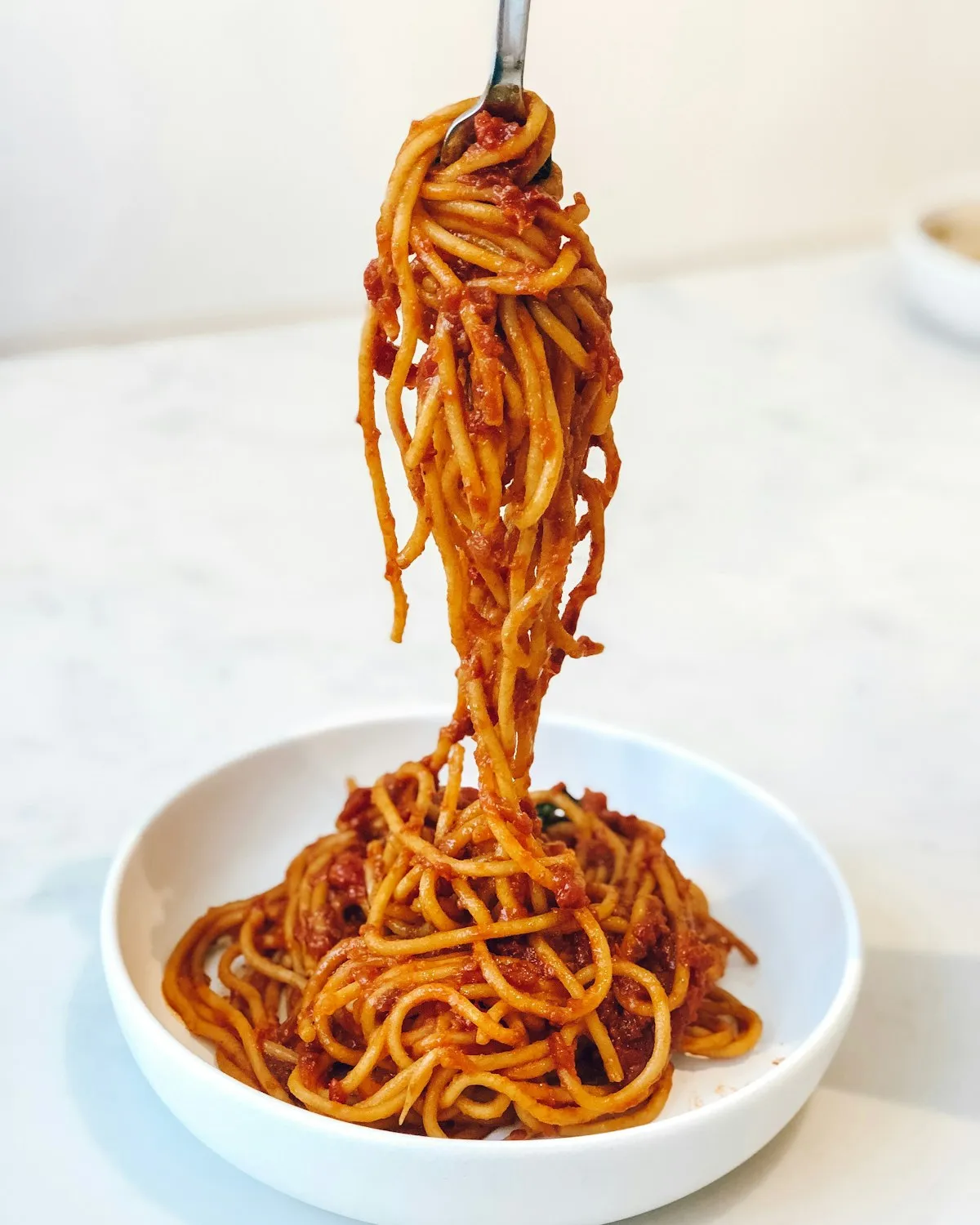
Use the "particle size" principle: the finer you grind your pistachios, the more surface area is exposed, allowing the natural fats to disperse evenly throughout the sauce. However, avoid over-processing. If you go too far, you end up with pistachio butter, which can be too dense. Aim for a fine, sandy paste. When you introduce this paste to a pan with a little sautéed onion and olive oil, you are creating the base of an oil-in-water emulsion.
Check your heat management constantly. If you are adding cream or cheese, do not let the sauce reach a rolling boil. High heat causes dairy proteins to tighten and separate, leading to an oily, broken mess. Keep the temperature at a gentle simmer. When it is time to add the cheese, remove the pan from the heat entirely. The residual warmth is enough to melt the cheese into the emulsion without causing it to clump. This attention to detail is what separates a grainy home meal from the professional results we strive for here at Cookpedia.
Don't forget the starch water! Reserve at least a cup of that cloudy, salty liquid before draining your pasta. This liquid acts as a stabilizer. The gelatinized starch helps "glue" the pistachio oils to the water and dairy components, ensuring the sauce coats every crevice of your rigatoni or spaghetti. Avoid using plain tap water; it lacks the binding power of starch and will only dilute your flavor.
Elevating Your Weeknight Rotations
I love a good trend, but it has to be practical. Pistachio pasta fits perfectly into a lifestyle centered on quick family meals because the sauce requires zero actual "cooking" time beyond the aromatics. While your pasta boils, your sauce is essentially being prepped in the blender. It’s an elegant solution for those looking for healthy dinner ideas that don't feel like "diet food."
To customize your bowl, consider the balance of acidity and salt. A squeeze of fresh lemon juice at the end is non-negotiable for me. The acid cuts through the heavy fat of the nuts and cheese, brightening the entire dish and making the green color pop. If you want a bit of texture, reserve a handful of pistachios, crush them roughly, and toast them in a dry pan for two minutes. Sprinkle them on top right before serving. The contrast between the silky sauce and the crunchy garnish is what makes this dish truly addictive.
If you are a fan of high-protein additions, consider pairing this with seared shrimp or even thin ribbons of mortadella: a classic Sicilian pairing. The salty, fatty pork of mortadella is the traditional partner for pistachios, creating a flavor profile that is deeply savory and uniquely Italian.
Balancing the Plate: Side Dish Pairings
Because pistachio pasta is incredibly rich and nutty, your side dishes need to provide a counterpoint. Avoid heavy, starchy sides like garlic bread. Instead, lean into crisp, acidic components.
A simple arugula salad is the gold standard here. The peppery bite of the leaves and a sharp balsamic vinaigrette provide the necessary contrast to the creamy pasta. You want something that cleanses the palate between bites. If you want a warm side, try roasted asparagus with a heavy dusting of lemon zest.
For those looking to expand their repertoire of fast, high-quality meals, you might also enjoy our 15-minute teriyaki beef stir-fry or our quick chickpea spinach stew. These recipes share the same philosophy as pistachio pasta: maximum flavor with minimal fuss.
Frequently Asked Questions
Why is my pistachio sauce bitter?
Bitterness usually comes from two places: the skins of the pistachios or over-toasting. If your pistachios have very dark, dry skins, try rubbing them in a clean kitchen towel after a light toast to remove the excess. Also, ensure you are not browning the nuts; you only want to warm them until they are fragrant. If the sauce is already made and tastes bitter, a tiny pinch of sugar and an extra squeeze of lemon can help neutralize the profile.
Can I make this dairy-free?
Absolutely. The pistachios themselves provide a massive amount of creaminess. You can skip the heavy cream and use more pasta water or a splash of unsweetened cashew milk. The starch in the pasta water is the real hero of the emulsion, so as long as you have that, you can achieve a "creamy" result without a drop of cow's milk.
My sauce is clumping instead of coating the pasta. What happened?
This is almost always a temperature issue. If you add the cheese while the pan is over high heat, the proteins in the cheese will seize and turn into rubbery clumps. Always take the pan off the burner before stirring in your Parmigiano-Reggiano. If it’s already clumped, try adding a tablespoon of very hot pasta water and whisking vigorously to bring the emulsion back together.
How do I store and reheat pistachio pasta?
Like most cream-based or nut-based sauces, this is best eaten immediately. However, if you have leftovers, store them in an airtight container. When reheating, do not use the microwave on high. Use a skillet over low heat and add a splash of water or milk to loosen the sauce. The nuts will absorb moisture as they sit, so you must "re-hydrate" the emulsion to get that silkiness back.
Is this a "healthy" option?
Pistachios are packed with healthy fats, fiber, and protein. When compared to a traditional heavy cream Alfredo, a pistachio-based sauce offers more nutritional density. If you are searching for healthy dinner ideas, this is a great way to incorporate plant-based fats into your diet while still feeling like you are indulging in a luxury meal. Pair it with whole-wheat or legume-based pasta for an even higher fiber count.
What if I don't have a high-speed blender?
You can still make this! Use a mortar and pestle for a more rustic, "pesto-like" texture, or buy pre-made pistachio paste (just ensure it is 100% pistachios with no added sugar). If using a standard food processor, just be patient and pulse until you reach the finest consistency possible.
{“@type”:”BlogPosting”,”image”:”https://cdn.marblism.com/LiHFbjOUVmd.webp”,”author”:{“name”:”Cookpedia”,”@type”:”Organization”},”@context”:”https://schema.org”,”headline”:”Why Everyone Is Talking About Pistachio Pasta (And You Should Too)”,”publisher”:{“logo”:{“url”:”https://cookpedia.com/logo.png”,”@type”:”ImageObject”},”name”:”Cookpedia”,”@type”:”Organization”},”mainEntity”:{“@type”:”FAQPage”,”mainEntity”:[{“name”:”Why is my pistachio sauce bitter?”,”@type”:”Question”,”acceptedAnswer”:{“text”:”Bitterness usually comes from the skins of the pistachios or over-toasting. Remove excess skins by rubbing toasted nuts in a towel, and avoid browning them during the prep phase.”,”@type”:”Answer”}},{“name”:”Can I make this dairy-free?”,”@type”:”Question”,”acceptedAnswer”:{“text”:”Yes. Pistachios provide significant creaminess on their own. Use extra starchy pasta water or an unsweetened nut milk to maintain the emulsion without using dairy.”,”@type”:”Answer”}},{“name”:”My sauce is clumping instead of coating the pasta. What happened?”,”@type”:”Question”,”acceptedAnswer”:{“text”:”This occurs when cheese is added to a pan that is too hot. Always remove the skillet from the heat before adding cheese to ensure a smooth melt.”,”@type”:”Answer”}}]},”description”:”Discover the science and technique behind the viral pistachio pasta trend. Learn how to create a silky, emerald-green emulsion at home with professional tips on heat management and pairing.”,”datePublished”:”2026-07-03″}