Recipe
Servings
Servings 1×
Ingredients
- Steak
- Tofu
- Lentils
- Chickpeas
- Beans
- Quinoa
- Greek yogurt
- Potatoes
- Sweet potatoes
- Cauliflower
- Broccoli
- Mushrooms
- Cucumber
- Tomatoes
- Onion
- Garlic
- Fresh ginger
- Lemon
Method
- Add a teaspoon of tomato paste or a splash of tamari to your stews.
- Use your oven at 425°F (220°C) or higher.
- Use a cast-iron skillet that retains heat properly.
- Pat them dry with a towel, give them space in the pan, and let the heat do the work.
- Use high-protein options like tempeh or edamame.
If you still think "plant-based" means a sad pile of steamed broccoli or a grainy burger that tastes like cardboard, welcome to 2026. We’ve moved far beyond the era of imitation. Today, the most exciting plant-based dinner ideas aren't trying to be meat; they are celebrating the incredible complexity of whole vegetables, grains, and legumes. Whether you are a dedicated vegan or a "flexitarian" parent trying to sneak more fiber into your household, the science of flavor has finally caught up to our appetites. It’s time to stop treating plants like a side dish and start treating them like the stars they are.
The Science of Savory: Mastering Texture and Taste
To make plants taste "meaty" and satisfying, you have to understand the chemistry of the kitchen. Most people fail at plant-forward cooking because they steam everything into submission. Stop doing that. If you want deep, complex flavors, you need to invite the Maillard reaction to the party. This is the chemical reaction between amino acids and reducing sugars that gives browned food its distinctive flavor. When you roast a cauliflower at high heat until the edges are charred and nutty, or sear a block of pressed tofu until a golden crust forms, you are creating flavor compounds that simply don't exist in a raw or boiled state.
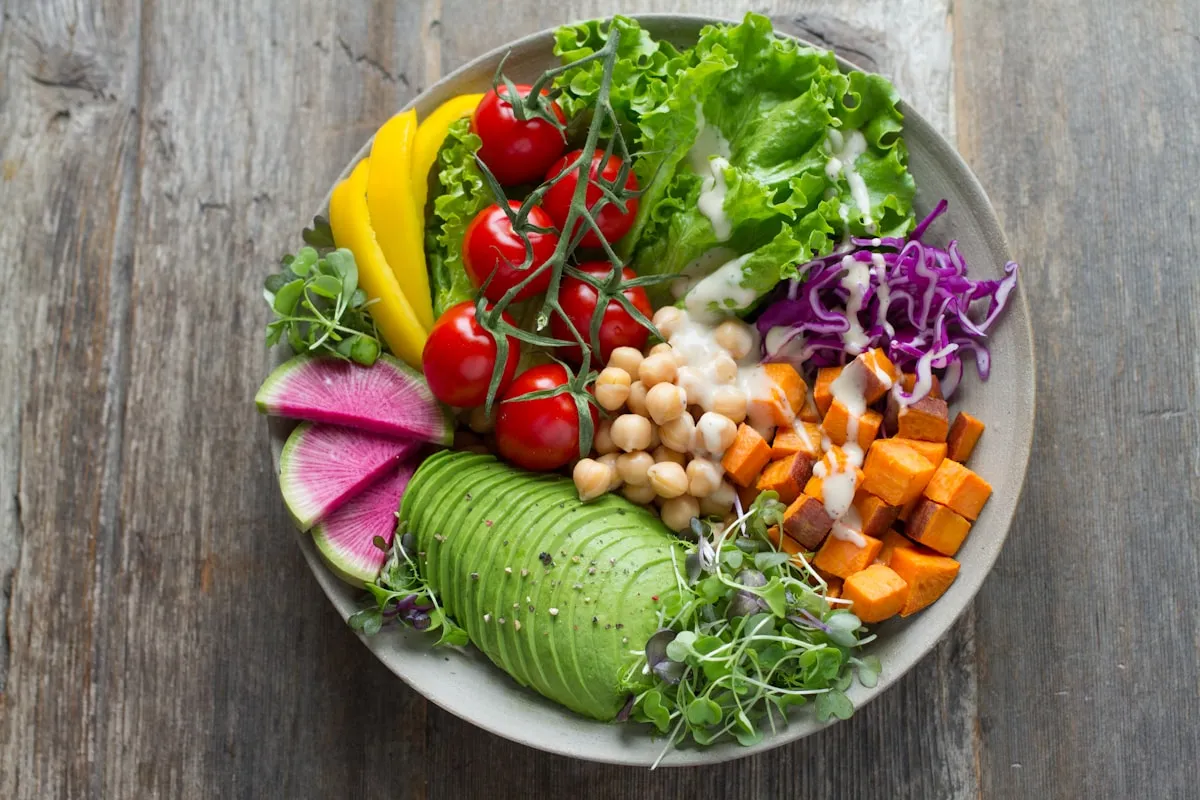
Beyond browning, you must master the "umami" bomb. Umami is the fifth taste, the savory, mouth-watering sensation usually associated with steak or parmesan. In the world of plants, you find high concentrations of glutamates (the stuff that makes things taste savory) in mushrooms, sun-dried tomatoes, fermented foods like miso and soy sauce, and even nutritional yeast. I always tell my readers: if your dish feels like it’s "missing something," it’s probably umami. Add a teaspoon of tomato paste or a splash of tamari to your stews. It’s a non-negotiable for anyone looking for healthy dinner ideas that actually satisfy a craving.
Texture is your second-biggest hurdle. A great meal needs a "bite." This is why I am a firm advocate for using high-heat techniques. Use your oven at 425°F (220°C) or higher. Use a cast-iron skillet that retains heat properly. And for heaven's sake, dry your vegetables before they hit the pan. Water is the enemy of browning; if your mushrooms are soaking wet, they will steam in the pan instead of searing. This results in a rubbery texture that gives plant-based food a bad name. Pat them dry with a towel, give them space in the pan, and let the heat do the work.
Finally, let's talk about the tool that has revolutionized quick family meals in the last few years: the air fryer. It isn't just for frozen fries. It is a convection powerhouse that excels at dehydrating the surface of plant proteins. If you are exploring air fryer recipes dinner options, try tossing cubed tofu in a little cornstarch and spices before air frying. The result is a crunch that rivals deep-frying but with a fraction of the oil, providing that essential textural contrast to a soft grain bowl or a creamy sauce.
Creative Variations: Beyond the Basic Bowl
The beauty of focusing on plants is the sheer variety of global flavors you can tap into. You aren't limited by the "meat and two veg" structure. Think about balance: you want fat, acid, salt, and heat in every bite.
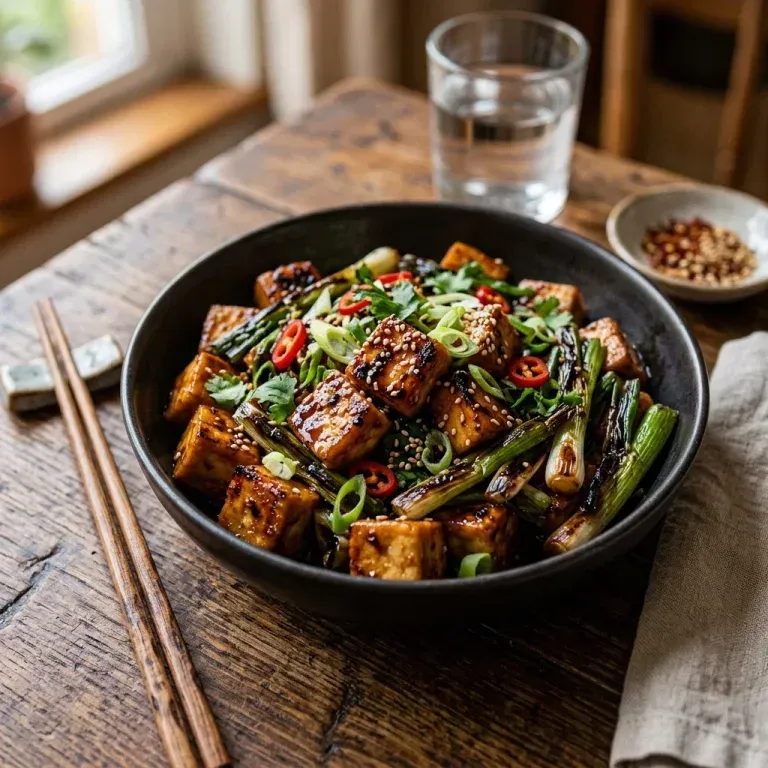
For a Mediterranean vibe, lean heavily into roasted root vegetables and legumes. A charred eggplant puree topped with crispy chickpeas and a lemon-tahini dressing offers a perfect balance of smoky, creamy, and bright notes. If you're craving something from East Asia, look toward the world of stir-fries. Use high-protein options like tempeh or edamame. The key here is the "sauce-to-crunch" ratio. You want the vegetables to stay crisp-tender while being coated in a glossy, umami-rich glaze made from ginger, garlic, and fermented bean paste.
Don't ignore the power of the "taco" format either. Walnuts and mushrooms, pulsed in a food processor and roasted with cumin and smoked paprika, create a "crumb" that mimics the texture of ground meat while offering a far more complex, earthy profile. It's one of those quick family meals that satisfies everyone from toddlers to grandparents because it's interactive and infinitely customizable with salsas and slaws.
Perfect Pairings: Balancing the Plate
A great plant-based main needs the right supporting cast. Because many plant-centric dishes lean toward the "earthy" or "creamy" side (think beans, grains, and nuts), you must pair them with high-acidity sides to cut through that richness.
A bright, citrus-heavy slaw or a quick-pickled red onion topping can transform a heavy lentil stew into a vibrant meal. I also recommend incorporating "power greens" as a side. A simple arugula salad with a sharp balsamic vinaigrette provides a peppery bite that balances out the sweetness of roasted squash or sweet potatoes.
If your main dish is a spicy curry, pair it with cooling elements like a cucumber raita (using coconut yogurt for a fully plant-based version) or a simple quinoa pilaf. Grains aren't just filler; they are a canvas. Infuse your cooking water with aromatics like bay leaves, garlic, or star anise to ensure every component of the plate carries its weight in the flavor department.
Frequently Asked Questions
Why is my tofu always soggy?
The culprit is almost always water. Tofu is packed in brine, and if you don't press it, that water turns to steam in the pan, preventing any browning. Use a tofu press or wrap it in a clean kitchen towel and put a heavy pan on top for 20 minutes. Then, coat it in a light dusting of cornstarch. This creates a barrier that crisps up beautifully in the heat.
How do I get enough protein on a plant-based diet?
This is the most common myth. Between lentils, chickpeas, black beans, quinoa, hemp seeds, and soy products like tempeh, you have plenty of options. The key is variety. Instead of just "pasta," try a lentil-based pasta or add a handful of toasted seeds to your salads. In 2026, we focus on "nutrient density" rather than just a single macro-nutrient.
Can I really make these as quick family meals?
Absolutely. The trick is "component cooking." Roast a big batch of vegetables and cook a large pot of grains on Sunday. During the week, you can rotate the flavors by changing the sauce or the protein. A plant-based dinner can be on the table in 15 minutes if you have your "umami" sauces ready to go.
Is the air fryer really better for vegetables?
For certain things, yes. If you are looking for air fryer recipes dinner inspiration, know that the air fryer's intense air circulation is superior for crisping up cauliflower, broccoli, and tofu without them becoming oily. It’s basically a high-speed flavor-concentrating machine.
Why do my plant-based meals feel "unsatisfying"?
You are likely missing fat or salt. Meat naturally contains a high amount of fat, which signals "satiety" to your brain. When cooking with plants, you need to add healthy fats intentionally, think avocado, toasted nuts, or a really high-quality olive oil. Also, don't be afraid to salt your food at different stages of cooking, not just at the end.
Are these actually healthy dinner ideas?
Yes, provided you stick to whole foods. The "trap" of 2026 is the rise of ultra-processed vegan junk food. If your dinner comes out of a colorful box and has 40 ingredients you can't pronounce, it's not the "plant-powered" health boost you're looking for. Stick to the produce aisle and the bulk bins for the best results.
For more inspiration, check out our quick meals category or browse our latest healthy recipes. Happy cooking!
{“@type”:”BlogPosting”,”image”:”https://cdn.marblism.com/NWOmcY3HY_s.webp”,”author”:{“name”:”Cookpedia”,”@type”:”Organization”},”@context”:”https://schema.org”,”headline”:”Why Everyone Is Talking About Plant-Based Dinner Ideas (And You Should Too)”,”publisher”:{“logo”:{“url”:”https://cdn.marblism.com/r31hCYxu5lk.webp”,”@type”:”ImageObject”},”name”:”Cookpedia”,”@type”:”Organization”},”mainEntity”:[{“name”:”Why is my tofu always soggy?”,”@type”:”Question”,”acceptedAnswer”:{“text”:”The culprit is water. Press your tofu for 20 minutes to remove excess moisture and coat it in cornstarch before cooking to ensure a crispy exterior.”,”@type”:”Answer”}},{“name”:”How do I get enough protein on a plant-based diet?”,”@type”:”Question”,”acceptedAnswer”:{“text”:”Incorporate variety using lentils, chickpeas, quinoa, and soy products like tempeh to ensure high nutrient density and protein intake.”,”@type”:”Answer”}},{“name”:”Why do my plant-based meals feel unsatisfying?”,”@type”:”Question”,”acceptedAnswer”:{“text”:”You may be missing healthy fats or proper seasoning. Add fats like avocado or nuts, and ensure you salt your food throughout the cooking process.”,”@type”:”Answer”}}],”description”:”Discover why plant-based dinner ideas are trending in 2026. Learn the science of umami and the Maillard reaction to create delicious, healthy, and quick family meals.”,”datePublished”:”2026-07-16″,”mainEntityOfPage”:{“@id”:”https://cookpedia.com/plant-based-dinner-ideas-2026″,”@type”:”WebPage”}}