Recipe
Servings
Servings 1×
Ingredients
- Shrimp
- Noodles
- Rice
- Cauliflower
- Broccoli
- Peas
- Cucumber
- Garlic
- Fresh ginger
- Honey
- Butter
- Cooking oil
- Sesame
- Chili seasoning
- Salt
Method
- Prepare the ingredients described in the article and heat the cooking surface or oven as directed.
- Cook the main ingredients using the heat and timing guidance in the article.
- Finish with the seasonings and garnishes named in the article, then serve.
If you have fifteen minutes and a serious hunger pang, you have a gourmet meal. This honey garlic shrimp recipe is the ultimate heavy hitter for those nights when the clock is ticking and your brain is fried. It’s the king of quick family meals because it delivers that sticky, sweet, and savory punch without making you spend half your life at the stovetop. We’re going to master the science of the sear and the chemistry of the glaze to turn humble shellfish into a restaurant-quality masterpiece.
The Chemistry of the Crunch and the Glaze
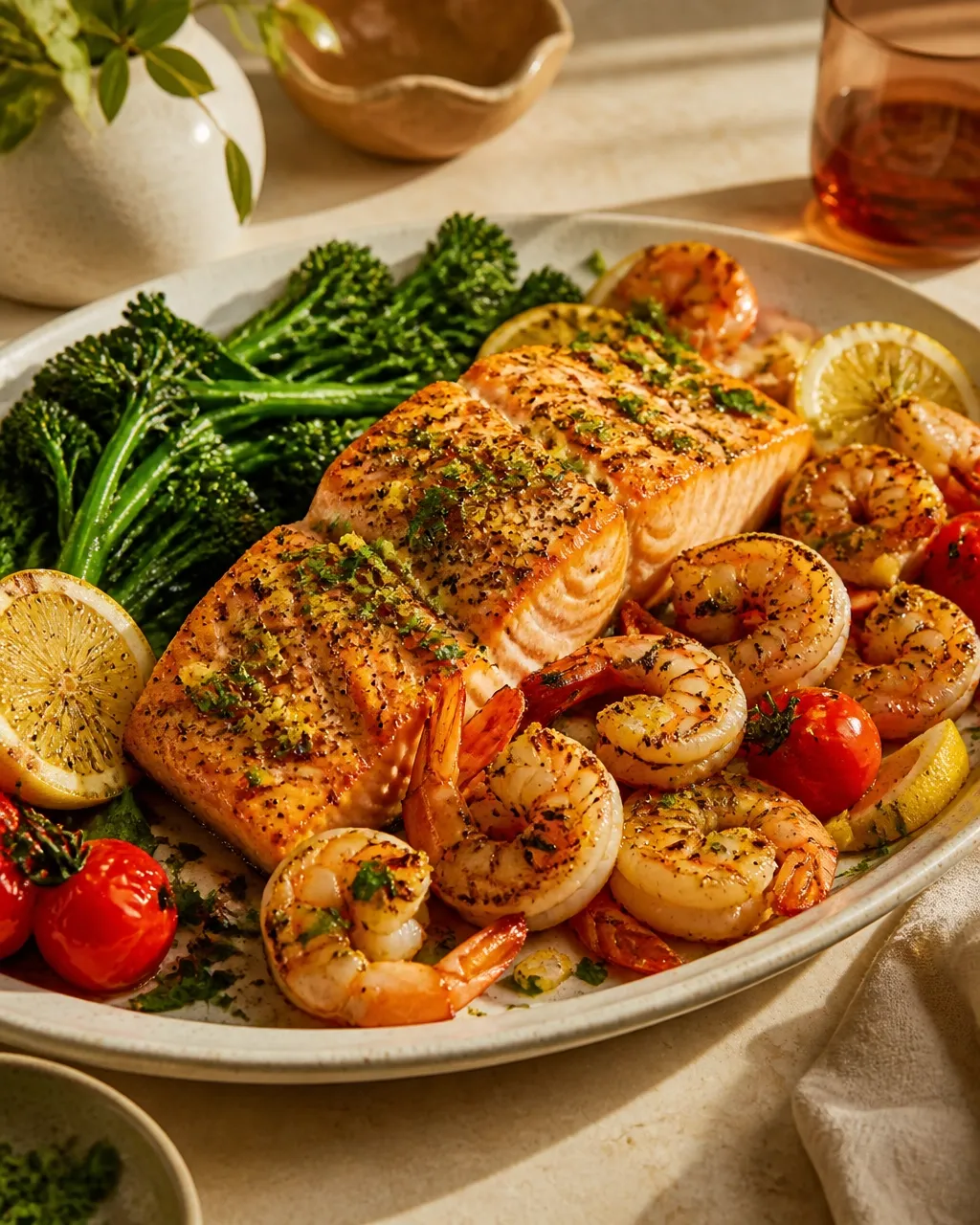
Cooking shrimp is less about "following instructions" and more about managing protein denaturation. Shrimp are mostly water and protein (specifically myosin and actin). When you apply heat, these proteins begin to uncoil and then tighten up. If you cook them too long, they squeeze out all their moisture like a wrung-out sponge, leaving you with rubbery, sad little knots. To avoid this, use high heat. High heat allows for the Maillard reaction: that magical chemical dance between amino acids and reducing sugars: to happen on the surface before the interior overcooks.
Honey is your secret weapon here. Unlike granulated sugar, honey contains fructose and glucose, which caramelize at lower temperatures. This means you get that deep, amber color and complex nutty flavor in a fraction of the time. When the honey hits the hot pan, the water evaporates instantly, increasing the sugar concentration and leading to a rapid caramelization. This is why we don't crowd the pan. If you dump too many shrimp in at once, the pan temperature drops, the shrimp start to steam in their own juices, and you lose that beautiful sear.
Garlic, our other star, is a volatile little aromatic. When you chop or crush it, an enzyme called alliinase converts alliin into allicin. This is where that sharp, pungent "garlic" hit comes from. However, allicin is heat-sensitive. If you fry garlic for too long, it turns bitter and acrid. In this 15-minute window, we aim for the "sweet spot" where the garlic mellows into a buttery, savory background note that cuts through the intense sweetness of the honey.
Check your glaze consistency religiously. As the sauce bubbles, the liquid reduces and the viscosity increases. You’re looking for a glaze that coats the back of a spoon: or better yet, clings to the shrimp like a second skin. If it’s too thin, it’ll pool at the bottom of the bowl; if it’s too thick, it turns into candy. Watch the bubbles. Small, rapid bubbles mean water is still evaporating. Large, slow-popping "lazy" bubbles mean the sugars are concentrating and the sauce is ready to go.
Creative Variations for Every Palate
While the classic honey garlic profile is a winner, you can easily pivot this dish to suit your mood or your pantry. If you’re looking for healthy dinner ideas, try swapping the honey for a touch of maple syrup or agave for a different glycemic profile, though you’ll lose a bit of that specific honey-floral aroma.
For the spice seekers, a teaspoon of red chili flakes or a dollop of sriracha added to the glaze creates a "firecracker" effect. The capsaicin in the peppers triggers pain receptors that our brains interpret as heat, which is beautifully countered by the cooling sweetness of the honey. It’s a biological tug-of-war on your tongue.
If you’re a fan of air fryer recipes dinner enthusiasts, you can actually adapt this! Toss the shrimp in a light coating of oil and seasonings, air fry at 400°F (200°C) for about 5–8 minutes, and then toss them in the reduced glaze at the very end. This keeps the shrimp incredibly succulent while ensuring the glaze doesn't burn in the high-velocity air of the fryer.
You can also lean into an "East Asian" profile by adding a splash of toasted sesame oil and fresh ginger. The gingerols in the ginger provide a warm, spicy bite that complements the garlic, while the sesame oil adds a layer of fat that carries the aromatics further across your palate.
Balancing the Plate: Side Dish Pairings
Since this dish is heavy on sweetness and umami, your side dishes need to provide contrast: specifically acidity or bitterness. A bed of fluffy jasmine rice is the classic choice because it acts as a neutral sponge for the extra glaze. However, if you want something lighter, cauliflower rice is a fantastic base that keeps this in the realm of healthy dinner ideas.
Steamed broccoli or snap peas are non-negotiable for me. They provide a structural crunch that the soft shrimp lack. The slight bitterness of brassicas like broccoli helps reset your taste buds between those sweet, garlicky bites. If you want to get fancy, a quick cucumber salad with rice vinegar and a pinch of salt provides the bright acidity needed to cut through the honey's richness.
For a more fusion-style meal, you could even serve these shrimp alongside my viral garlic butter ramen for a total garlic explosion. The starch from the noodles and the fat from the butter create a luxurious mouthfeel that pairs perfectly with the lean protein of the shrimp.
Frequently Asked Questions
Why did my shrimp turn out rubbery?
You overcooked them. Simple as that. Shrimp cook in a flash: usually 2 to 3 minutes per side. As soon as they lose their translucency and form a "C" shape, they are done. If they form a tight "O" shape, you’ve gone too far. The proteins have contracted so much that they've squeezed out all the moisture. Pull them off the heat thirty seconds before you think they're done; the residual heat will finish the job.
Can I use frozen shrimp?
Absolutely. In fact, unless you live on the coast, "fresh" shrimp are often just frozen shrimp that the grocer thawed for you. Thaw them in a bowl of cold water for 15 minutes, then: and this is the most important part: pat them bone-dry with paper towels. If the shrimp are wet, they will steam instead of searing, and you'll never get that Maillard-induced golden crust.
Should I leave the tails on?
That's a matter of aesthetics vs. convenience. Tails-on looks much better in photos and at dinner parties, and some argue the shell adds a bit more "shrimpy" flavor to the pan. However, if you’re making this for kids or just want to face-plant into your dinner without pauses, peel them entirely. Just don't forget to devein them; nobody wants that grit in their honey garlic experience.
My garlic burned! What happened?
Your pan was likely too hot, or you added the garlic too early. Garlic has a high sugar content and very little water, so it goes from golden to burnt in seconds. Add your garlic towards the end of the searing process or as part of the liquid glaze to protect it from the direct, intense heat of the pan surface.
Can I meal prep this?
Shrimp is best eaten fresh, but you can definitely meal prep the glaze. Mix the honey, garlic, and soy sauce ahead of time. When you're ready to eat, the actual cooking only takes a few minutes. If you must reheat cooked shrimp, do it gently in a pan with a splash of water to keep them from turning into erasers. If you’re into batch cooking, you might also like my air fryer pierogi roast for another fast weeknight win.