Recipe
Servings
Servings 1×
Ingredients
- Salmon
- Shrimp
- Chickpeas
- Fettuccine
- Pasta
- Noodles
- Rice
- Asparagus
- Spinach
- Corn
- Tomatoes
- Garlic
- Lemon
- Balsamic vinegar
- Cream
- Butter
- Cooking oil
Method
- Let’s be honest: when the clock is ticking and your stomach is growling, a three-hour ragu is not the answer.
- Use less water than you think you need when boiling the pasta to concentrate the starch.
- Use a microplane to grate it directly into the pan: it takes five seconds and provides a much more intense, sweet flavor than pre-minced versions.
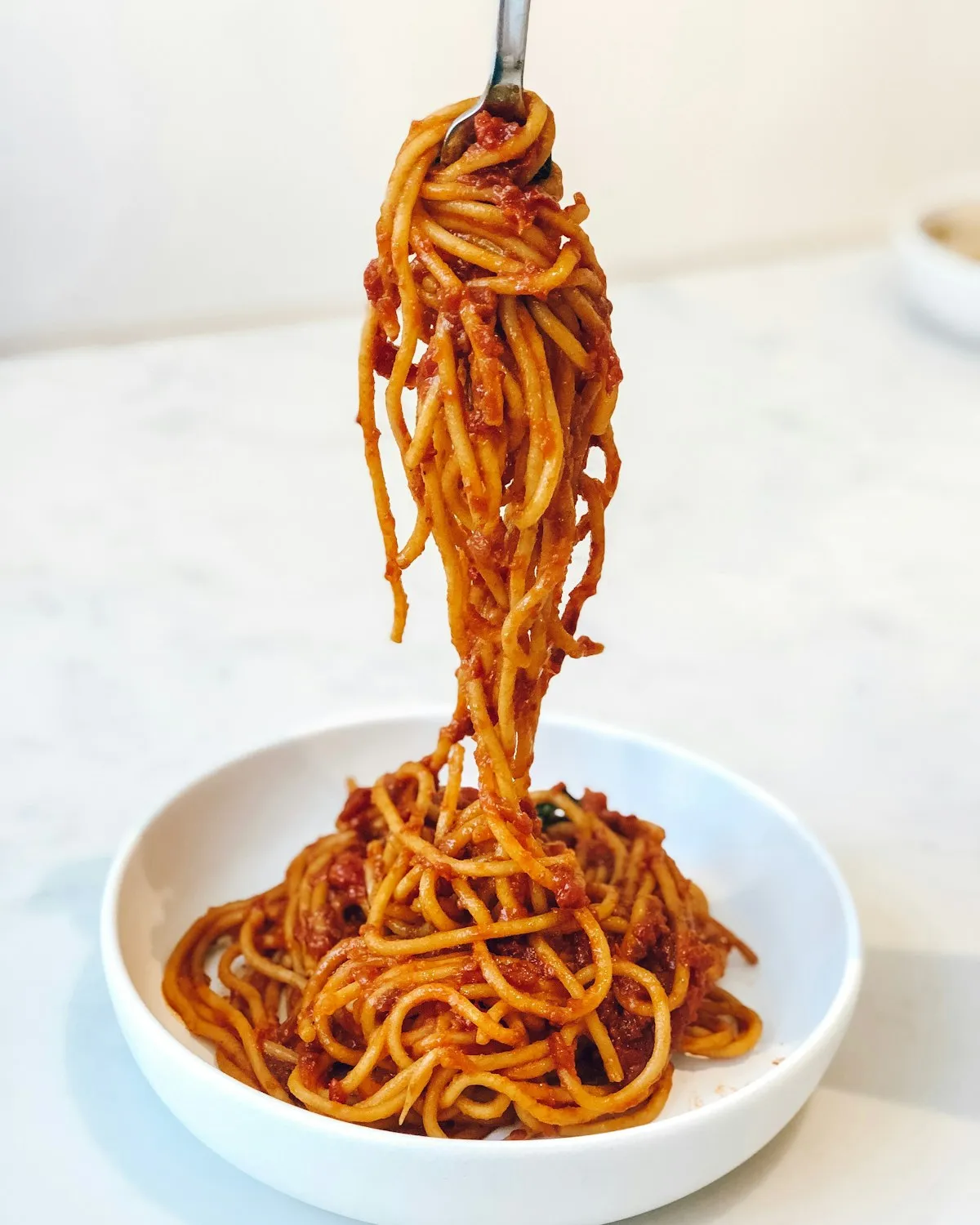
Let’s be honest: when the clock is ticking and your stomach is growling, a three-hour ragu is not the answer. You need something fast, something soulful, and something that doesn’t leave you with a mountain of dishes. That’s where 15 minute meals come into play. We are talking about the kind of kitchen wizardry that transforms a few pantry staples into a restaurant-quality bowl of comfort. If you have pasta, garlic, and a little bit of science on your side, you are never more than a quarter-hour away from a masterpiece.
The Science of "Liquid Gold": Why Your Sauce Needs Starch
If you have ever ended up with a pool of oil at the bottom of your bowl or a sauce that just won't stick to the noodles, you are likely missing one crucial ingredient: the pasta water. In the world of simple pasta recipes, we call this "liquid gold," and it is the secret to perfect emulsification.
When you boil pasta, the surface of the dough releases amylose and amylopectin, starch polymers that leach into the water. These little guys are essentially nature's glue. When you toss your nearly-finished pasta into a pan with a little fat (think olive oil, butter, or even the rendered fat from bacon) and a splash of that murky water, a chemical reaction occurs. The starch molecules act as an emulsifier, binding the fat and water together into a creamy, glossy sauce that clings to every strand.
To master this technique, follow these non-negotiables:
- Undercook your pasta slightly: Drain your noodles about two minutes before the package says "al dente." They will finish cooking in the sauce, absorbing flavor rather than just sitting in it.
- Stir vigorously: Use a pair of tongs or a wooden spoon to toss the pasta with the sauce and water over medium-high heat. This physical agitation helps the starch and fat marry quickly.
- Check the temperature: Keep your heat at a steady simmer. If the pan is too hot, the fat will break and separate; if it's too cold, the emulsion won't form.
- Avoid the rinse: Never, ever rinse your pasta. You’ll wash away all that precious surface starch, leaving your noodles slick and unable to hold onto the sauce.
Using these simple scientific principles allows you to create quick family meals that taste like they took hours. Whether you are aiming for a silky Alfredo or a spicy Aglio e Olio, the method remains the same. It's about working with the ingredients, not against them.
Balancing the Bowl: Flavor Variations
Once you have mastered the emulsion, the world is your oyster, or your pasta bowl. The key to elevating simple pasta recipes is understanding the balance between richness and acidity. A heavy, creamy sauce needs a "bright" element to cut through the fat and wake up your palate.
If you are craving something decadent, like a lemon-butter fettuccine, ensure you add the lemon zest at the very end to keep the oils fresh and fragrant. For those looking for healthy dinner ideas, consider swapping heavy cream for a concentrated pasta water emulsion and a handful of fresh greens like spinach or arugula. The heat from the pasta will wilt the greens in seconds, adding fiber and a peppery bite without requiring extra cooking time.
For a protein boost, seared salmon or shrimp are fantastic additions that cook in under five minutes. If you are feeling adventurous, you can even apply these quick-cooking principles to other noodles, check out our Viral Garlic Butter Ramen Hack for a fusion twist on the fast-dinner concept. The goal is to keep the ingredient list short but the impact high. Focus on high-quality olive oil, fresh garlic, and real Parmigiano-Reggiano.
The Perfect Sidekick: Pairing for Balance
Even the best pasta dish can feel a bit one-note if served entirely on its own. Since we are focusing on 15 minute meals, your side dishes shouldn't be labor-intensive either. The goal here is contrast. If your pasta is creamy and rich, you need something crisp and acidic to reset your taste buds between bites.
A simple arugula salad with a sharp balsamic vinaigrette or a quick slaw can do wonders. If you happen to be using your favorite air fryer recipes dinner gadgets, a quick batch of garlic-rubbed crostini or roasted asparagus takes only a few minutes and provides that necessary crunch.
Think about texture as much as flavor. A soft, pillowy gnocchi pairs beautifully with a crunchy radicchio salad. A sharp, garlicky spaghetti is mellowed out by a side of roasted cherry tomatoes. These pairings don't just fill the plate; they create a complete sensory experience that makes a "fast" meal feel like a special occasion.
Your Burning Questions: The Pasta FAQ
Why does my sauce always turn out watery even when I use pasta water?
This usually happens because the water wasn't starchy enough or wasn't reduced properly in the pan. Use less water than you think you need when boiling the pasta to concentrate the starch. When you add the water to the sauce, make sure to let it simmer and reduce while tossing the noodles. This cooks off the excess moisture, leaving only the "glue" behind.
Can I make these recipes gluten-free?
Absolutely. However, keep in mind that gluten-free pastas (made from rice, corn, or chickpeas) often release different types of starch. Some might break down faster, making the water too thick, while others might not release enough. If your gluten-free pasta water isn't doing the trick, a tiny pinch of cornstarch whisked into a tablespoon of cold water can help mimic that "liquid gold" effect.
I don’t have fresh garlic; can I use the jarred stuff?
In a pinch, yes, but be warned: jarred garlic is often preserved in citric acid, which changes the flavor profile significantly. For quick family meals, the punch of fresh garlic is hard to beat. Use a microplane to grate it directly into the pan: it takes five seconds and provides a much more intense, sweet flavor than pre-minced versions.
What if I overcook the pasta? Is it ruined?
Not necessarily, but you’ll have to be very gentle. If the pasta is already soft, don't toss it vigorously in the pan or it will turn to mush. Instead, gently fold the sauce over it. In the future, set a timer for 3 minutes less than the box suggests and start testing for doneness early.
How do I keep my leftovers from drying out?
The starch in the sauce continues to absorb moisture even after it’s off the heat. When reheating, add a tiny splash of water or milk to loosen the emulsion back up. If you are looking for other healthy dinner ideas that hold up well for lunch the next day, oil-based sauces generally reheat better than cream-based ones.
Can I use these techniques for air fryer recipes dinner?
While you won't boil the pasta in an air fryer, you can certainly use it to prep your "add-ins." Roast your garlic cloves, cherry tomatoes, or even your protein in the air fryer while the pasta boils on the stove. It's a great way to multitask and keep your total kitchen time under that 15-minute mark.