Recipe
Servings
Servings 1×
Ingredients
- Pork
- Cod
- Eggs
- Garlic
- Lemon
- Hard cheese
- Cooking oil
- Salt
Method
- Prepare the ingredients described in the article and heat the cooking surface or oven as directed.
- Cook the main ingredients using the heat and timing guidance in the article.
- Finish with the seasonings and garnishes named in the article, then serve.
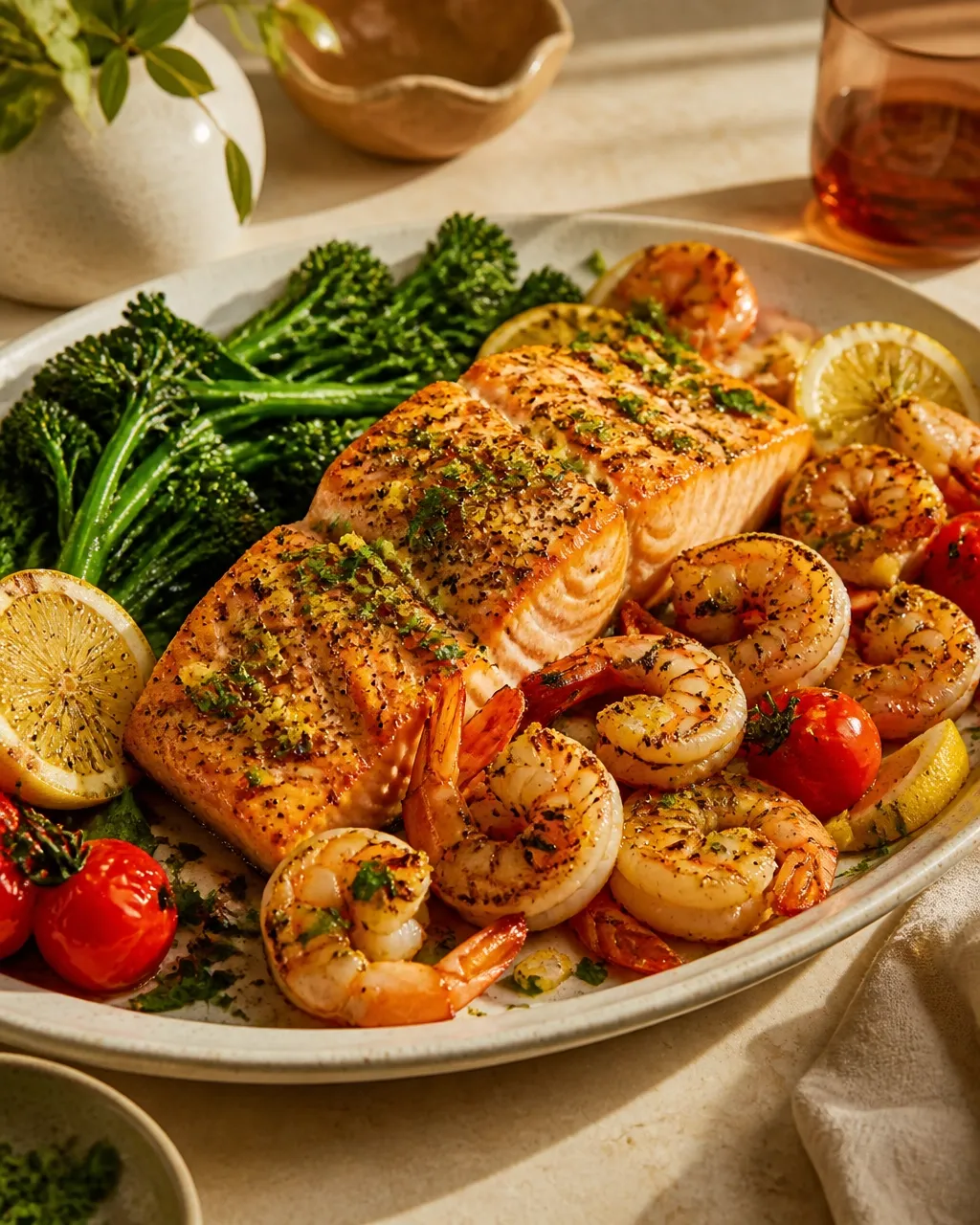
If you’ve ever found yourself staring at a piece of white fish and wondering how to make it taste like something other than “blank canvas,” you aren't alone. Cod is the ultimate culinary introvert, it’s mild, flaky, and desperately needs a loud friend to help it stand out. Most people reach for heavy batters or breadcrumbs, but if you’re looking for keto recipes for beginners, those floury coatings are off the table.
Enter the Parmesan crust. This isn't just a low-carb substitute; it’s actually a scientific upgrade. We are essentially using aged cheese as a high-protein, high-fat browning agent that creates a savory, umami-packed shell. It’s one of those easy dinner recipes that makes you look like a pro while you’re actually just letting basic chemistry do the heavy lifting in your oven. My goal is to show you exactly how to manipulate heat and moisture to get that shattering crunch every single time.
The Science of the Crunch: Maillard and Moisture
To understand why this crust works, we have to talk about the Maillard reaction. This is the chemical dance between amino acids and reducing sugars that happens when food hits high heat (usually above 285°F). While cod itself is high in protein, it’s also about 80% water. If you just throw a wet piece of fish into a medium-heat oven, that water will turn into steam. Steam is the enemy of the crunch. It caps the temperature at 212°F, which is far too low for browning to occur.
Moisture Control: The Non-Negotiable First Step
Before you even think about the cheese, you must address the surface moisture of the fish. Use paper towels and press firmly, don't just dab. You want the surface to feel tacky, not slippery. For the absolute best results, I recommend "dry-brining" your fillets. Salt them lightly and let them sit uncovered in the fridge for about 20 minutes. The salt draws out deep-seated moisture through osmosis, and the cold air of the fridge dries the surface. Blot them one last time before coating. This ensures that the heat of the oven goes directly into browning your Parmesan rather than evaporating a puddle of fish juice.
Why Parmesan is a "Browning Accelerator"
Parmesan is a masterpiece of food science. Because it’s an aged cheese, much of its protein has already begun to break down into free amino acids. When you subject these concentrated proteins to high heat, they brown much faster and more intensely than fresh cheeses like mozzarella.
Use finely grated Parmesan, the kind that looks like sand, rather than long shreds. Increased surface area is your best friend here. More surface area means more contact with the hot air, leading to a more uniform, golden-brown crust. When you mix this with a bit of almond flour or crushed pork rinds, you’re creating a structural lattice that traps the melting fat from the cheese, essentially "frying" the crust in place while it bakes.
Mastering the "Glue" and Heat
How do you get a pile of cheese to stay on a slippery piece of fish? You need a binder, but not just any binder. While many old-school recipes call for an egg wash, I’m a firm believer in the "mayonnaise method."
The Case for Mayonnaise
Mayo is an emulsion of oil, egg yolk, and acid (usually vinegar or lemon juice). When you smear a paper-thin layer of mayo on your cod, you aren't just creating a sticky surface; you’re adding a layer of fat. As the fish bakes, the oil in the mayo helps conduct heat directly into the Parmesan crust, ensuring it crisps from the bottom up as well as the top down. Plus, the slight acidity in the mayo cuts through the richness of the cheese, providing a balanced flavor profile that mimics the classic pairing of fish and tartar sauce.
The High-Heat Strategy
Don't be afraid of the dial. To get that restaurant-quality finish, you need a hot oven, think 425°F or 450°F. Cod is a relatively lean fish, and if you cook it at a lower temperature for a long time, the interior will become tough and "rubbery" before the top has a chance to brown.
I always suggest preheating your baking sheet. When you drop your coated fish onto a hot tray, you get immediate heat transfer to the bottom of the fillet. This helps seal the juices in and starts the cooking process instantly. If your fish reaches the perfect internal temperature (about 130°F–135°F for flakiness) but the crust is still looking a bit pale, don't keep baking it. Flick on the broiler for 60 seconds. Stay right there and watch it; the transition from "golden" to "burnt" happens in the blink of an eye.
Flavor Variations for the Adventurous
While the classic Parmesan-garlic-lemon combo is hard to beat, you can easily pivot this dish to suit your mood.
- The Spicy Kick: Add a teaspoon of smoked paprika and a pinch of cayenne to your Parmesan mix. The paprika doesn't just add heat; its pigments actually help the crust look more vibrant and deeply roasted.
- The Herb Garden: Freshly chopped parsley, thyme, or even a tiny bit of rosemary can be folded into the cheese. If using fresh herbs, make sure they are finely minced so they don't burn and become bitter.
- The "Pork Rind" Secret: For an even deeper crunch that stays within the realm of keto recipes for beginners, replace half the Parmesan with finely crushed unflavored pork rinds. The collagen and fat in the pork rinds create a "panko-like" texture that is remarkably sturdy.
Side Dish Pairings: Balance is Key
When you have a dish as rich and savory as Parmesan-crusted cod, your side dishes need to provide contrast. You’re looking for acidity to cut through the fat and freshness to balance the umami.
I highly recommend a simple side of roasted asparagus with a heavy squeeze of fresh lemon juice. The bitterness of the asparagus and the sharp citrus notes act as a palate cleanser between bites of the decadent fish. If you’re leaning into the easy dinner recipes vibe, a quick arugula salad with a balsamic vinaigrette is another winner. The peppery bite of the greens is the perfect foil for the salty, nutty crust. Avoid heavy, starchy sides like mashed potatoes; instead, opt for a cauliflower puree (the texture of which we’ve mastered in our other guides) to keep things light and keto-friendly.
Frequently Asked Questions
Why did my crust fall off the fish?
This usually happens for two reasons: moisture or thickness. If the fish was wet when you applied the binder, the "glue" never actually bonded to the protein. It’s essentially sliding around on a layer of water. Secondly, if you pile the crust too high, the weight of the cheese can cause it to slump off as it melts. Keep your crust layer to about 1/8th of an inch.
Can I use frozen cod?
Yes, but proceed with caution. Frozen fish releases significantly more water than fresh fish during the thawing process. You must thaw it completely in the refrigerator and then perform the "dry-brine" technique mentioned earlier. If you try to bake frozen cod with a crust, you’ll end up with a soggy mess as the ice crystals melt into the topping.
Is this recipe okay for other types of fish?
Absolutely. This technique works beautifully with halibut, haddock, or even salmon. Just keep in mind that salmon has a much higher fat content, so you might want to skip the mayo binder and just use a tiny bit of Dijon mustard to help the cheese stick.
Why is my cod rubbery?
Rubbery fish is a symptom of overcooking. Cod should flake easily with a fork. If it feels bouncy or tough, it has likely passed the 145°F mark. Use an instant-read thermometer and pull the fish out of the oven when it hits 130°F; the residual heat will carry it to the perfect finish while it rests on your plate.
Can I use pre-shredded Parmesan from a bag?
Avoid it if possible. Pre-shredded cheeses are often coated in potato starch or cellulose to prevent clumping in the bag. That starch can interfere with the way the cheese melts and browns, often resulting in a "gummy" texture rather than a crisp one. Grate it yourself or use the finely powdered variety for the best scientific results.
By understanding the relationship between surface moisture and heat, you can transform a simple piece of cod into a centerpiece meal. This isn't just about following a recipe; it’s about mastering the mechanics of the kitchen to make your easy dinner recipes consistently spectacular. Now, get that oven preheated and go make something delicious.