Recipe
Servings
Servings 1×
Ingredients
- Pasta
- Cauliflower
- Broccoli
- Spinach
- Lemon
- Tahini
- Cream
- Cheddar
- Butter
Method
- Prepare the ingredients described in the article and heat the cooking surface or oven as directed.
- Cook the main ingredients using the heat and timing guidance in the article.
- Finish with the seasonings and garnishes named in the article, then serve.
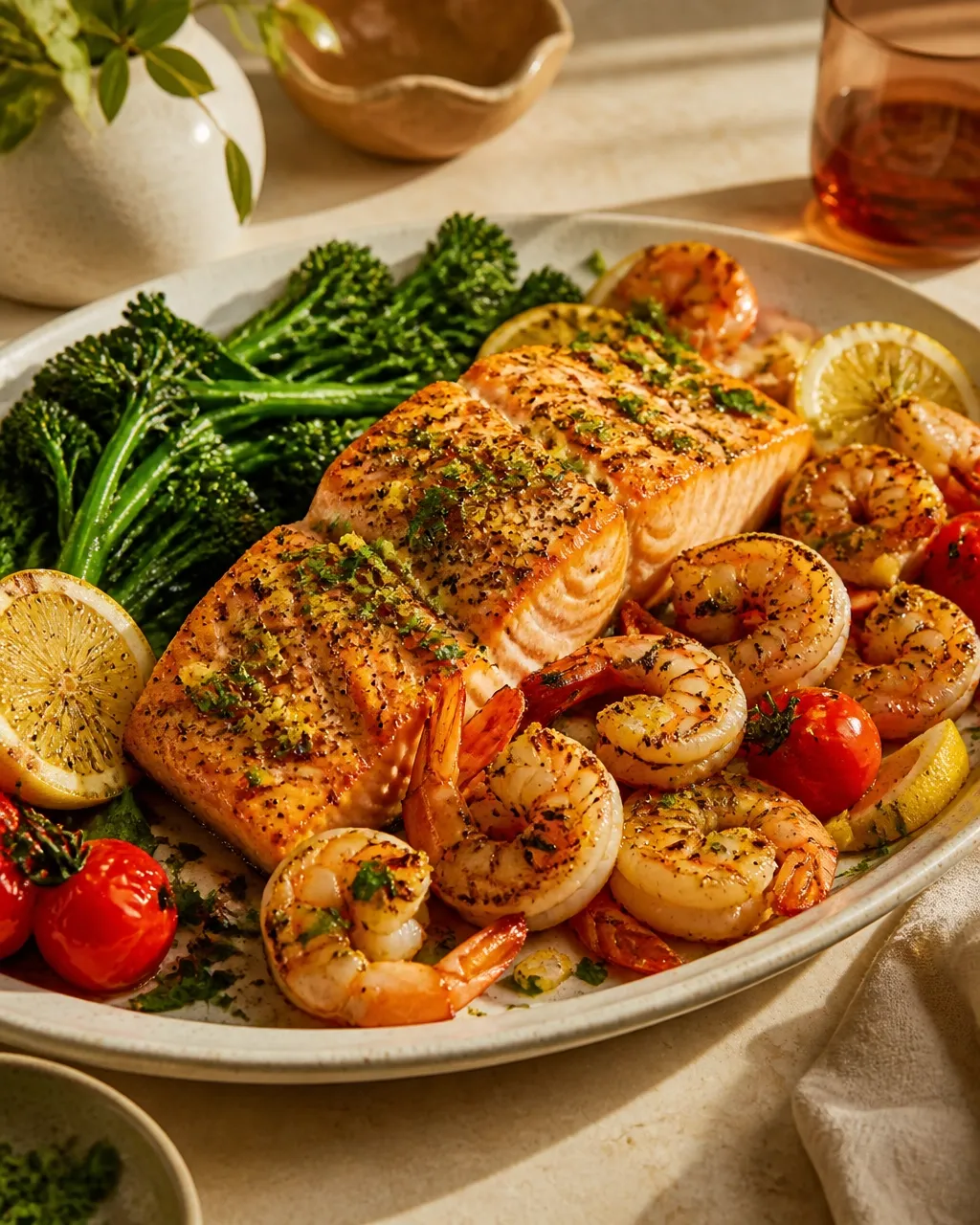
If you grew up with a pantry stocked with blue-and-white cans and a box of macaroni, you know the tuna melt casserole is the undisputed heavyweight champion of the "I need food and I need it now" category. It’s the ultimate nostalgia trip, but today I’m giving it a serious glow-up. We aren't just dumping and stirring; we’re engineering a masterpiece of texture and flavor. This is one of those easy dinner recipes that relies on a bit of kitchen chemistry to turn humble staples into a creamy, golden-brown triumph that will have everyone asking for seconds.
The Chemistry of the Perfect Melt
Creating a stellar casserole isn't about luck; it’s about managing moisture and heat to trigger specific chemical reactions. First, let’s talk about starch gelatinization. When you boil your pasta, those tightly packed starch granules absorb water and swell. You must pull the pasta out just before it reaches full gelatinization, what we call "al dente." Why? Because it will continue to absorb moisture from your sauce in the oven. If you overcook it initially, the granules will burst, leading to a structural collapse and a mushy mess.
Then comes the sauce, which is a starch-thickened emulsion. By whisking milk into a flour-and-butter roux, you’re creating a stable network that traps fat and water. Keep your heat moderate; if the sauce breaks, you’ll end up with an oily separation rather than a silky coating. This technique is vital for maintaining the glossiness of the dish, similar to how I approach achieving the perfect glossy sauce in other pasta favorites.
Now, consider the tuna itself. Canned tuna has already undergone protein denaturation during the canning process. The muscle fibers (myosin and actin) are already coiled and firm. Your job in the oven is simply to integrate these proteins into the sauce without over-dehydrating them. If you bake it too long, the tuna will tighten further, squeezing out its remaining moisture and becoming "rubbery."
The crowning glory of this dish is the Maillard reaction on top. This is the chemical reaction between amino acids and reducing sugars that gives browned food its distinctive savory flavor. To maximize this, use a sharp cheddar or a mix of cheeses with high protein content. Ensure the surface is exposed to the direct heat of the oven during the final minutes of baking. This allows the surface moisture to evaporate, pushing the temperature above 285°F (140°C), where those complex flavor molecules begin to form. Avoid covering the dish for the entire bake time, or you’ll trap steam, keeping the surface too wet for the Maillard reaction to occur.
Clever Variations for Every Palate
While the classic version is a staple for quick family meals, don't be afraid to experiment with the base formula to suit different dietary needs. For a low-carb alternative, swap the pasta for roasted cauliflower. The cauliflower provides a similar structural vehicle for the sauce, though you’ll need to increase the thickness of your roux (or use a splash of heavy cream) to account for the extra water released by the vegetables during cooking.
If you’re looking for healthy dinner ideas, try incorporating a massive dose of chlorophyll by stirring in two cups of fresh baby spinach before baking. The residual heat will wilt the greens perfectly without turning them into a soggy afterthought. For those who crave heat, add a teaspoon of smoked paprika or a dash of cayenne to the sauce. This adds a layer of capsaicin-driven warmth that cuts through the richness of the dairy. You can even lean into a Mediterranean profile by adding briny capers and lemon zest; the acidity provides a much-needed contrast to the heavy proteins of the tuna and cheese, creating a balanced flavor profile that feels sophisticated yet remains among the best budget friendly recipes in your arsenal.
Finding Balance with Sides
Because a tuna melt casserole is fundamentally rich, creamy, and carb-heavy, your side dishes need to provide a sharp, acidic, or crunchy counterpoint. A bright green salad with a lemon-tahini dressing is my go-to. The citric acid in the dressing acts as a palate cleanser, breaking down the fats from the cheese and sauce so every bite of the casserole feels as fresh as the first.
If you want something heartier, roasted cruciferous vegetables like Brussels sprouts or broccoli are excellent. The charred, slightly bitter notes of roasted veggies complement the savory depth of the tuna. You can even utilize your counter space and look into air fryer recipes dinner options for these sides; a quick 10-minute blast in the air fryer gives broccoli those crispy, "burnt" edges that provide a fantastic textural contrast to the soft, comforting interior of the bake. This keeps the meal within the realm of quick family meals while elevating the overall experience.
Frequently Asked Questions
Why did my cheese sauce turn out grainy?
Grainy sauce usually happens because the temperature was too high, causing the proteins in the cheese to "clump" and squeeze out the fat. This is called protein coagulation. To prevent this, always grate your cheese from a block (pre-shredded cheese is coated in potato starch, which can mess with the sauce's viscosity) and stir it into the sauce after you’ve removed the pan from the direct heat source.
Can I make this ahead of time?
Absolutely, but science dictates a specific approach. If you assemble the casserole and leave it in the fridge overnight, the pasta will continue to absorb moisture via osmosis. By the time you bake it, the pasta may be mushy. To avoid this, undercook your pasta even further, aim for "half-cooked", so it finishes its hydration process while sitting and baking.
Is it possible to use different types of fish?
Yes, you can swap tuna for canned salmon or even smoked trout. Just remember that different fish have different fat contents. Salmon is generally oilier, so you might want to slightly reduce the amount of butter in your roux to keep the dish from feeling too heavy. It’s a great way to rotate through healthy dinner ideas without changing your entire workflow.
Why does my casserole taste metallic?
This is often a result of using low-quality canned tuna or an acidic ingredient (like lemon juice) reacting with a reactive metal pan (like unlined aluminum). Always use stainless steel or ceramic baking dishes for your easy dinner recipes to ensure the flavor remains clean and true.
How do I get the most "crunch" on top?
If the Maillard reaction isn't giving you enough texture, add a physical barrier. A layer of Panko breadcrumbs tossed in melted butter provides more surface area for browning. Since breadcrumbs are mostly starch and air, they dehydrate rapidly in the oven, creating a crisp, shattered-glass texture that is the perfect foil to the creamy interior. It's a classic trick for budget friendly recipes that makes the dish feel way more expensive than it actually is.
For more tips on mastering comfort food, check out our guide on air fryer comfort cheats for those nights when you need a win in under 30 minutes.