Recipe
Servings
Servings 1×
Ingredients
- Eggs
- Avocado
- Mustard
- Hard cheese
- Cooking oil
Method
- Let’s build a dinner that’s as smart as it is delicious.
- Use a paper towel to pat your sea bass fillets until they are bone-dry.
- Place the fish crust-side down in a shimmering pan of ghee or avocado oil.
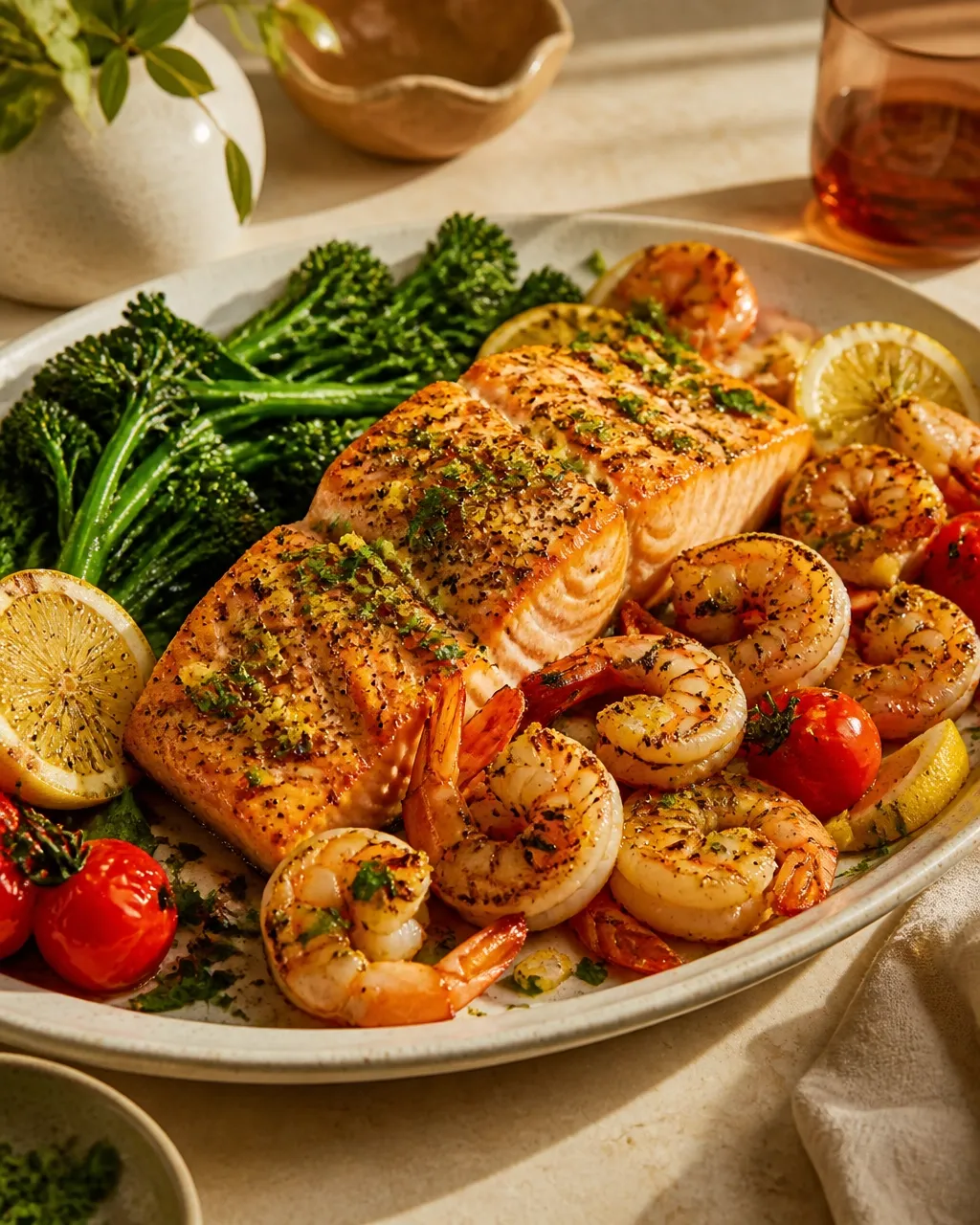
If you have been chasing that perfect "crunch" while staying within the strict metabolic guardrails of a ketogenic lifestyle, you know the struggle is real. Traditional breading is out, but that doesn't mean you have to settle for naked, soggy fish. Sea bass is the high-performance vehicle of the seafood world, fatty, luxurious, and ready to handle high-heat chemistry. My parmesan-crusted version isn't just a recipe; it’s a technical exercise in moisture management and Maillard-driven flavor. Let’s build a dinner that’s as smart as it is delicious.
The Chemistry of the Crunch: Surface Prep and Protein Bonds
The secret to a crust that actually stays on the fish, rather than sliding off into the pan like a sad, oily puddle, lies in the science of adhesion and surface tension. Fish, by nature, is packed with water. When that water hits a hot pan, it turns to steam. If you haven't managed that moisture, the steam will physically push your crust away from the flesh.
Use a paper towel to pat your sea bass fillets until they are bone-dry. This is a non-negotiable step. By removing the surface moisture, you allow the "glue", a thin layer of Dijon mustard or beaten egg white, to form a direct bond with the fish’s protein fibers. I prefer Dijon because the acidity provides a much-needed brightness that cuts through the richness of the parmesan.
Speaking of the crust, we are leaning heavily on the Maillard reaction. This is the chemical dance between amino acids and reducing sugars that occurs around 285°F to 330°F (140°C to 165°C). Parmesan cheese is an ideal candidate for this because it’s a low-moisture, high-protein cheese aged for months, concentrating its umami-rich glutamates. When you grate it fresh (avoid the pre-shredded stuff with anti-caking starches!), the cheese melts, dehydrates, and then fuses into a lacy, brittle shell.
To give the crust more "mechanical strength," I like to fold in a small amount of finely ground almond flour. Think of it as the rebar in concrete. The parmesan provides the flavor and the "glue," while the almond flour provides the structure that keeps the crust from being too delicate. If you’re looking for other healthy dinner ideas that use similar textural hacks, check out my glossy sauce techniques.
Heat Management: The Sear vs. The Finish
You have two options for cooking: a pure pan-sear or a sear-to-oven finish. For a standard 1-inch thick sea bass fillet, the hybrid approach is king. You want high, direct heat to initialize the crust, but gentle, ambient heat to finish the delicate interior.
Place the fish crust-side down in a shimmering pan of ghee or avocado oil. Both have high smoke points, ensuring you don't break down the fats into acrid compounds before the cheese has time to brown. Avoid moving the fish for at least three minutes. You need the proteins to "set." If you try to flip too early, you’ll tear the crust. Once the edges look like toasted lace, carefully flip and transfer to a preheated oven.
Sea bass is remarkably forgiving because of its fat content, but it still has a narrow window of perfection. My target is an internal temperature of 130°F (54°C). At this point, the collagen has converted to gelatin, giving you that succulent, flaking texture, but the muscle fibers haven't contracted so much that they've squeezed out all the juice. If you are prepping quick family meals and don't want to babysit a pan, you can actually adapt this technique for the air fryer. Much like our air fryer sausage medley, the rapid convection of an air fryer is incredible at dehydrating the cheese crust quickly while keeping the center moist.
Variations: Tweaking the Flavor Profile
The beauty of a parmesan crust is its versatility as a flavor carrier. While the base of cheese and almond flour is your foundation, you can pivot the profile to suit your mood.
- The Umami Bomb: Mix in a teaspoon of nutritional yeast and a pinch of porcini mushroom powder. This triples the savory depth without adding a single gram of sugar.
- Mediterranean Zest: Add lemon zest, dried oregano, and a pinch of red pepper flakes. This version begs for a drizzle of high-quality extra virgin olive oil right before serving.
- The Southern Crunch: Substitute the almond flour for finely crushed pork rinds. This creates a much "harder" crunch that mimics traditional fried catfish but remains 100% keto-compliant.
Avoid using fresh herbs inside the crust mixture if you are pan-searing. The high heat of the pan will often turn fresh parsley or basil bitter and black. Instead, save the fresh greens for the garnish to provide a hit of raw, aromatic volatile oils at the table.
Side Dish Pairings: Balancing the Plate
Because this sea bass is incredibly rich, your side dishes need to provide a "palate cleanser" effect. This usually means high acidity or sharp, bitter notes to balance the fat.
- Garlic-Lemon Asparagus: The snap of fresh asparagus and the punch of lemon juice are the perfect counterpoints to the buttery sea bass. Roast them at the same time you finish the fish in the oven for maximum efficiency.
- Wilted Spinach with Nutmeg: Spinach contains oxalic acid, which offers a subtle astringency that works beautifully with fatty fish. A tiny grating of fresh nutmeg provides a bridge to the nutty parmesan notes.
- Zucchini Noodles with Pesto: If you want something more substantial, "zoodles" tossed in a bright basil pesto keep the meal low-carb while adding a refreshing, herbaceous lift.
For those nights when you need air fryer recipes dinner solutions, you can toss your veggies into the basket right alongside the fish, just be mindful of the different cooking rates.
FAQ: Troubleshooting Your Sea Bass
What if my crust won’t stick?
This is almost always a moisture issue. If the fish wasn't dried properly, or if your "glue" (the mustard/egg) was too thick, the crust will slide. Use a very thin, even coat of the adhesive. Think of it like primer on a wall, you want just enough to create a tacky surface, not a thick layer of sludge.
Can I use frozen sea bass?
Yes, but you must be vigilant about the thaw. Frozen fish releases significantly more moisture (purge) as the ice crystals break down the cell walls. Thaw it completely in the fridge, then dry it twice as long as you think you need to. If the fish is still "leaking," your crust will never crisp.
Is it okay to leave the skin on?
Absolutely. If you leave the skin on, sear the skin side last. The skin provides a protective barrier that helps prevent the fish from overcooking, and it’s packed with omega-3s. However, for the most consistent "crust" experience, most people prefer skinless fillets so the parmesan can cover more surface area.
How do I know the fish is done without a thermometer?
Use the "cake tester" method or a thin metal skewer. Insert it into the thickest part of the fish for 5 seconds, then touch it to your bottom lip. If it feels warm (not hot, not cold), the fish is ready. Also, look for the flakes; if you press gently on the top and the segments start to separate, you’ve reached the gelatinization point.
Why did my parmesan burn?
Parmesan has a relatively low burning point due to its protein structure. If your pan is screaming hot, the cheese will char before the fish even warms through. Use medium-high heat and keep a close eye on the color. If it's browning too fast, pull the pan off the heat and let the residual energy do the work, or move it to the oven sooner.
For more tips on mastering high-heat comfort foods, take a look at our kielbasa air fryer guide, which covers similar principles of browning and fat rendering.