Recipe
Servings
Servings 1×
Ingredients
- Chicken
- Shrimp
- Pasta
- Greek yogurt
- Potatoes
- Carrots
- Zucchini
- Spinach
- Cucumber
- Onion
- Lemon
- Honey
- Feta
- Cooking oil
- Salt
Method
- Prepare the ingredients described in the article and heat the cooking surface or oven as directed.
- Cook the main ingredients using the heat and timing guidance in the article.
- Finish with the seasonings and garnishes named in the article, then serve.
You know those nights when the clock is ticking, the family is "starving," and your brain feels like it has too many tabs open? I’ve been there. You want something that tastes like a vacation in Santorini but takes less time than a round-trip to the local drive-thru. That’s where this one-pan Greek chicken comes in. It’s vibrant, soulful, and hits the table in exactly fifteen minutes. No fluff, no complicated maneuvers, just real food that makes you feel like a kitchen hero.
Master the 15-Minute Science: Surface Area and Sizzle
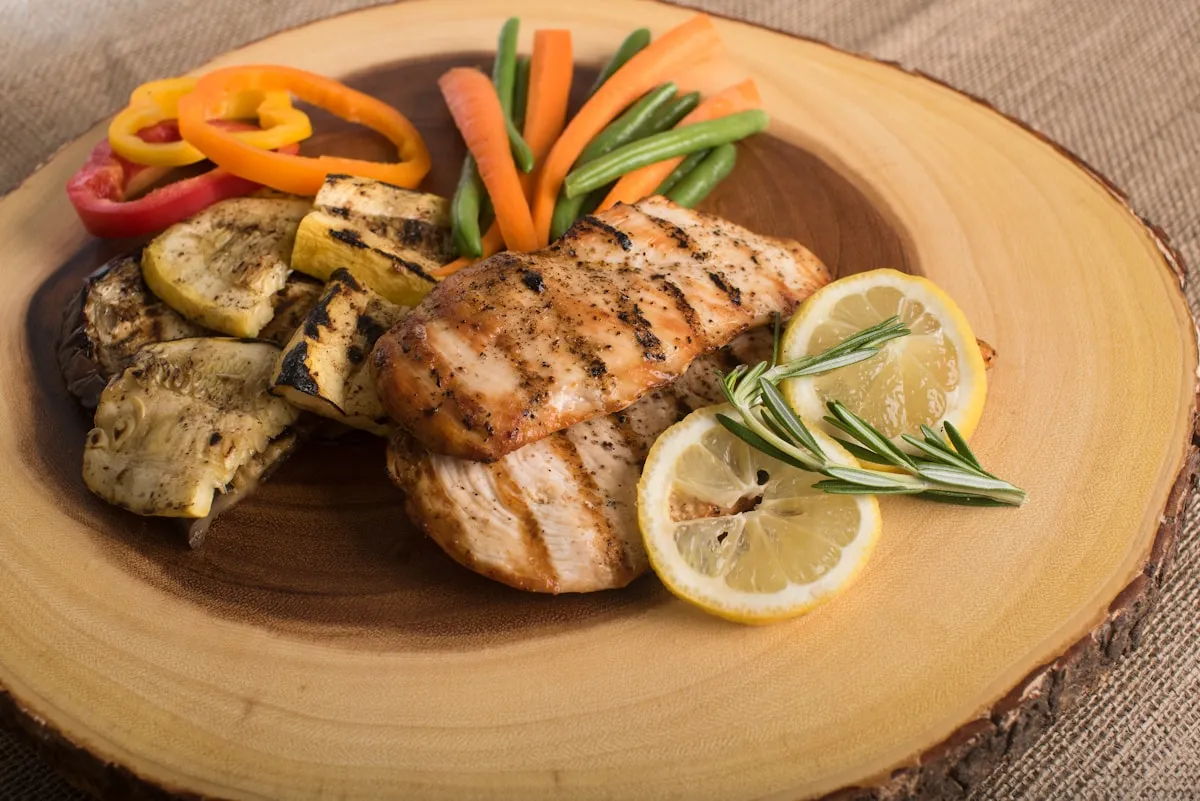
To pull off a genuine 15-minute meal without serving raw chicken or soggy mush, you have to understand the science of speed. The biggest mistake home cooks make is trying to cook a whole, thick chicken breast in a short window. It won't happen. Physics is a stubborn beast. Instead, use thin-cut cutlets or slice your chicken into half-inch strips. By increasing the surface area, you allow heat to penetrate the center faster while maximizing the area available for the Maillard reaction.
What is the Maillard reaction? It’s that magical chemical reaction between amino acids and reducing sugars that gives browned food its distinctive flavor. When you sear thin pieces of chicken in a hot pan, you create a complex, savory crust that a boiled or slowly simmered breast could never achieve. Preheat your skillet until it’s nearly smoking before the meat touches the metal. If the pan isn't hot enough, the chicken will release its juices and steam rather than sear, leaving you with grey, rubbery meat.
The marinade is your second secret weapon. In a 15-minute scenario, you don’t have two hours to let flavors soak in. You need high-impact aromatics. Use dried oregano rather than fresh during the cooking phase; dried herbs have concentrated oils that stand up better to high heat. Incorporate a hit of acidity from lemon juice to break down surface proteins slightly and salt to draw those flavors a few millimeters into the meat immediately.
When choosing your vegetables for quick family meals, skip the starchy roots. Potatoes and carrots are the enemies of the 15-minute clock. Instead, reach for high-moisture, fast-cooking options like zucchini, bell peppers, and red onions. These veggies transition from raw to tender-crisp in about five to seven minutes. The goal is to sauté them in the leftover "fond", those delicious browned bits stuck to the bottom of the pan after you sear the chicken. This isn't just about saving a dish; it’s about layering flavor scientifically.
If you're a fan of air fryer recipes dinner enthusiasts often rave about, you can actually adapt this technique there too, though the stovetop gives you better control over that crucial pan sauce. Regardless of the heat source, remember: do not crowd the pan. If you pile chicken and veggies on top of each other, the temperature of the pan drops, and you’ll end up steaming everything. Cook in batches if your skillet is small. It’s better to spend an extra three minutes on a second batch than to eat a pan full of sad, steamed poultry.
Flavor Variations: Balancing the Bite
The beauty of Greek cuisine lies in its balance. You have the richness of olive oil, the saltiness of feta, and the sharp bite of lemon. To keep things interesting, you can play with these ratios to suit your mood. If you find the dish a bit too acidic, add a tiny teaspoon of honey to the marinade. The sugar will balance the lemon juice and actually accelerate the browning process, giving you an even deeper sear on the chicken.
For those looking for healthy dinner ideas that swap out proteins, this technique works wonders with shrimp or even thick cubes of halloumi cheese. Shrimp cook even faster than chicken, usually in about three minutes, so add them at the very end after the vegetables are already soft. If you’re going the vegetarian route, halloumi is a fantastic "meat" substitute because it has a high melting point; you can sear it directly in the pan to get a crispy, salty exterior that pairs beautifully with the oregano and lemon.
Another variation involves the "finishing" aromatics. While dried oregano does the heavy lifting during the cook, finishing the dish with fresh dill or parsley off-heat adds a layer of bright, volatile oils that would otherwise be destroyed by the high cooking temperature. This contrast between deep, cooked flavors and fresh, raw herbs is what separates a "meh" meal from a "soulful" one.
Perfect Pairings for a Balanced Plate
Since this is a one-pan wonder, you don't need a side dish, but sometimes you want a little something extra to soak up the juices. If you have five extra minutes, a quick couscous is your best friend. It isn’t technically a grain, it’s tiny pasta, and it "cooks" just by sitting in hot water. It’s the ultimate partner for quick family meals because it requires zero active stove time.
If you prefer to keep things low-carb or are sticking to healthy dinner ideas, serve this over a bed of fresh baby spinach. The heat from the chicken and veggies will slightly wilt the leaves, creating a warm salad effect without any extra effort. A dollop of cold tzatziki on the side provides a temperature and texture contrast that cuts through the heat of the pan-seared chicken. The cool cucumber and yogurt base cleanses the palate between bites of salty feta and briny olives.
For a crunchier element, a simple cucumber and tomato salad with a splash of red wine vinegar provides the necessary acidity to balance the fatty richness of the chicken thighs and feta cheese. Remember, a great meal is all about the "see-saw" of flavors: fat meets acid, salt meets fresh.
Frequently Asked Questions
Why is my chicken dry even though I only cooked it for a short time?
Dry chicken is usually a result of overcooking, but in a 15-minute recipe, it’s often because the heat was too low. If the heat is low, the chicken takes longer to brown. By the time you get that golden color you're looking for, the inside has already turned into cardboard. Use high heat to get the color fast, then pull the chicken off the second it hits 165°F (74°C). Also, consider using boneless, skinless chicken thighs; they have more intramuscular fat and are much more forgiving than breasts.
Can I make this in an air fryer?
Yes, you can adapt many air fryer recipes dinner styles to this dish. Toss everything in the marinade and air fry at 400°F (200°C) for about 10-12 minutes, shaking the basket halfway through. You won't get the same pan sauce as you do in a skillet, but the convenience of hands-off cooking is a fair trade-off for busy nights.
My vegetables are soggy instead of crisp. What happened?
You likely crowded the pan or added the vegetables too early. Vegetables release water as they cook. If there’s too much food in the pan, that water can’t evaporate quickly enough, so it stays in the pan and boils your veggies. Give everything room to breathe. If your pan is small, sear the chicken first, remove it, then cook the veggies solo.
Why use dried oregano instead of fresh?
Science! The flavor compounds in oregano (thymol and carvacrol) are quite hardy. In its dried form, these oils are concentrated and "bloom" when they hit the hot oil in the pan. Fresh oregano is more delicate and can turn bitter or lose its aroma if subjected to high-heat searing. Save the fresh herbs for the final garnish.
Is it safe to put lemon slices directly in the pan?
Absolutely, and you should! Sautéing lemon slices caramelizes the natural sugars in the fruit and softens the rind, making it edible and intensely flavorful. It also helps deglaze the pan, releasing those stuck-on chicken bits (the fond) back into the dish. Just be sure to wash the lemons thoroughly first to remove any wax or pesticides.
How do I store and reheat leftovers without the chicken getting rubbery?
Store leftovers in an airtight container for up to three days. When reheating, avoid the microwave if possible; it vibrates water molecules so violently that it toughens the protein fibers. Instead, toss everything back into a hot skillet with a splash of water or chicken broth for 2 minutes. This "re-steams" the meat gently and keeps it juicy.
{“@type”:”BlogPosting”,”image”:[“https://cdn.marblism.com/gX28eOu4FB6.webp”,”https://cdn.marblism.com/KRgE-AqBaXu.webp”,”https://cdn.marblism.com/6SPmLQ8pvV0.webp”,”https://cdn.marblism.com/QjGkvSdUT-5.webp”],”author”:{“name”:”Penny”,”@type”:”Person”},”@context”:”https://schema.org”,”headline”:”15-Minute One-Pan Greek Chicken & Veggies”,”publisher”:{“logo”:{“url”:”https://cookpedia.com/logo.png”,”@type”:”ImageObject”},”name”:”Cookpedia”,”@type”:”Organization”},”description”:”Learn the science behind a perfect 15-minute one-pan Greek chicken dinner. Master the Maillard reaction and flavor balancing for quick, healthy family meals.”,”datePublished”:”2026-06-14″,”mainEntityOfPage”:{“@id”:”https://cookpedia.com/15-minute-one-pan-greek-chicken-veggies”,”@type”:”WebPage”}}