Recipe
Servings
Servings 1×
Ingredients
- Chicken
- Steak
- Tofu
- Broccoli
- Peas
- Cooking oil
Method
- Heat your pan until the oil shimmers.
- Use a heavy-bottomed skillet or a cast-iron pan to maintain a consistent temperature even when the cold meat hits the surface.
- Pour it into the simmering sauce while stirring constantly.
- Pat the chicken dry with a paper towel before it ever touches the pan.
We’ve all been there: standing in the kitchen at 6:00 PM, staring at the fridge like it’s a locked vault, wishing for a gourmet miracle. You want something that tastes like it spent hours marinating, but your patience (and your stomach) only has about a fifteen-minute window. That is where my 15-minute teriyaki chicken comes in. This isn't just another one of those easy dinner recipes that over-promises and under-delivers; this is a masterclass in high-heat efficiency. By understanding a little bit of kitchen science, you can transform humble chicken thighs into a restaurant-quality glaze in the time it takes to set the table.
The Science of the Sear: Why Heat is Your Best Friend
To get that deep, savory flavor in record time, you need to respect the Maillard reaction. This is the chemical dance between amino acids and reducing sugars that occurs when food hits a hot surface. If you toss your chicken into a lukewarm pan, it will simply boil in its own juices, turning grey and rubbery. For 15 minute meals, this is the ultimate sin.
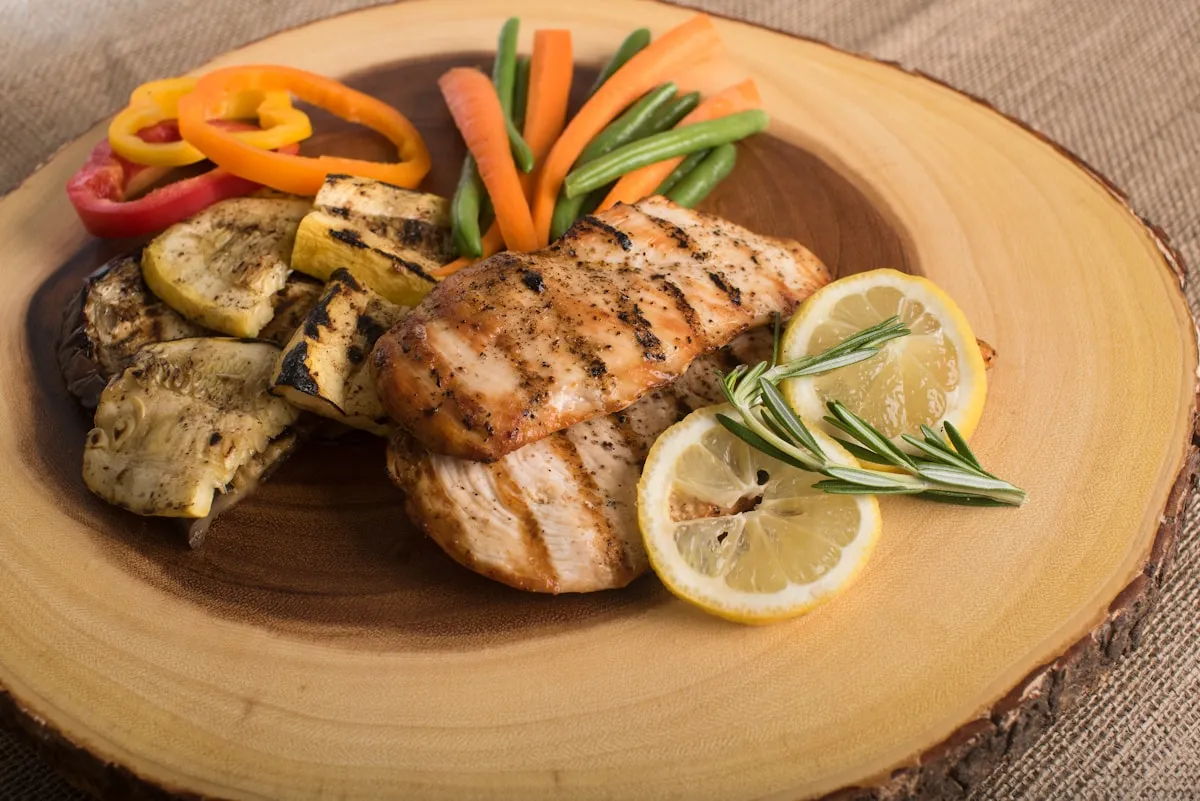
Heat your pan until the oil shimmers. When you add your chicken, leave it alone. I know the urge to stir is strong, but resistance is your greatest tool here. By letting the chicken sit undisturbed for two to three minutes, you allow that golden-brown crust to develop. This crust is where all the complex, "soulful" flavor lives. If you move the meat too soon, you break the contact and lose the sear. Use a heavy-bottomed skillet or a cast-iron pan to maintain a consistent temperature even when the cold meat hits the surface.
Mastering the Gloss: The Magic of the Cornstarch Slurry
The hallmark of a great teriyaki is that thick, mirror-like glaze that clings to every nook and cranny of the meat. In professional kitchens, we don’t achieve this by reducing sauce for twenty minutes. We use the science of starch gelatinization.
A cornstarch slurry: a simple mix of starch and cold water: is your secret weapon for quick family meals. When you add this mixture to a simmering liquid, the starch granules absorb water and swell. Once the temperature hits roughly 185°F (85°C), those granules burst and release a network of polymers that thicken the sauce almost instantly.
Always whisk your slurry right before adding it, as starch settles at the bottom of the bowl quickly. Pour it into the simmering sauce while stirring constantly. Within sixty seconds, the opaque liquid will turn translucent and glossy. This immediate transformation is what makes this dish one of our most reliable healthy dinner ideas for busy nights.
Speed-Prep Secrets for the Home Cook
Efficiency starts before the heat is even on. To make this work in fifteen minutes, you must cut your chicken into small, uniform one-inch pieces. Smaller surface area means faster cooking and more space for the Maillard reaction to do its job.
Pat the chicken dry with a paper towel before it ever touches the pan. Moisture is the enemy of browning; if the chicken is wet, the energy from the pan goes into evaporating that water instead of searing the meat. While the chicken sears, whisk your sauce ingredients in a separate bowl. This "mise en place" approach ensures that once the chicken is cooked, the rest of the recipe moves like clockwork.
Flavor Variations and Protein Swaps
While chicken is the classic choice, this technique is incredibly versatile. If you are looking for a plant-based alternative, try using firm tofu. The same rules apply: press the tofu to remove excess moisture and sear it hard to get those crispy edges. You can even explore air fryer recipes dinner styles by tossing tofu or chicken in a light coating of cornstarch and air-frying at 400°F before tossing it in the stovetop glaze.
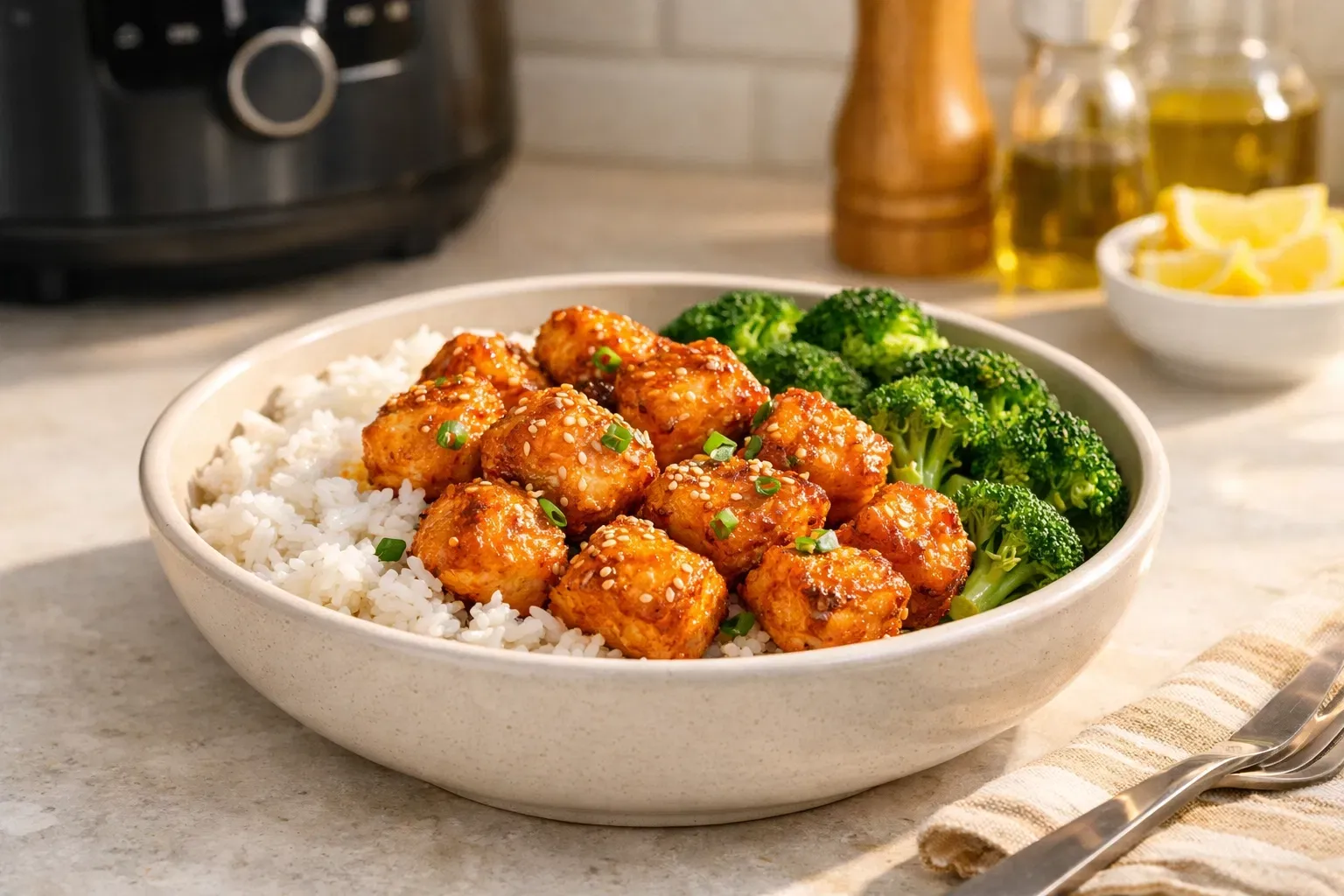
For a beef version, use thinly sliced flank steak. Beef cooks even faster than chicken, so you’ll want to sear it in batches to avoid crowding the pan. If you want to increase the nutrient density, toss in snap peas, sliced bell peppers, or broccoli florets during the last two minutes of cooking. The steam from the sauce will cook the veggies to a perfect crisp-tender state without needing an extra pot.
Side Dish Pairings: Balancing the Plate
A rich, salty, and sweet teriyaki needs a counterpart to cut through the intensity. The goal is balance. I usually recommend a simple base of steamed jasmine rice or quinoa to soak up that glorious extra sauce.
If you want a more vibrant plate, look toward acidity and crunch. A quick cucumber salad with rice vinegar and a pinch of chili flakes provides a cooling contrast to the warm chicken. Steamed greens, like bok choy or broccoli, add a necessary earthy bitterness that balances the sugar in the glaze. If you are feeling adventurous, you can check out our air fryer sausage and pepper medley for more high-heat inspiration.
FAQ: Troubleshooting Your Teriyaki
Why is my sauce gummy instead of glossy?
This usually happens if you add too much cornstarch or if you don't whisk the slurry properly. If it becomes a thick paste, simply whisk in a tablespoon of water or low-sodium chicken broth at a time until the consistency thins out to a pourable glaze.
Can I make this as part of my healthy dinner ideas without sugar?
Traditional teriyaki relies on sugar or honey for that iconic shine and flavor. However, you can substitute with maple syrup or a dash of pineapple juice for a more natural sweetness. Avoid using granulated stevia or other artificial sweeteners if you want that thick, syrupy texture, as they don't caramelize the same way.
My chicken is cooked but not brown. What happened?
Your pan wasn't hot enough, or you crowded it. When you put too much cold meat into a pan at once, the temperature drops instantly. For the best results in 15 minute meals, cook the chicken in two smaller batches if your skillet isn't large enough to give every piece its own space.
Is this recipe gluten-free?
Standard soy sauce contains wheat. To make this gluten-free, simply swap the soy sauce for tamari or coconut aminos. The science of the thickening and the sear remains exactly the same.
How do I store leftovers?
This dish stores beautifully in an airtight container for up to three days. When reheating, the sauce may thicken further in the fridge. Add a splash of water before microwaving or reheating on the stove to bring that glossy sheen back to life.
For more inspiration on getting food on the table fast, browse our full collection of 15-minute meals. Cooking should be soulful, not stressful. With the right technique, even the busiest Tuesday can feel like a celebration of real food.
{“@type”:”BlogPosting”,”image”:[“https://cdn.marblism.com/7i5defeQXsM.webp”,”https://cdn.marblism.com/Dw_w4zqdHDV.webp”,”https://cdn.marblism.com/qep_bm8GiyO.webp”,”https://cdn.marblism.com/hWpxHrQyRAa.webp”,”https://cdn.marblism.com/N-qcfKXJ1dv.webp”],”author”:{“name”:”Cookpedia”,”@type”:”Organization”},”@context”:”https://schema.org”,”headline”:”Easy Dinner 15-Minute Teriyaki Chicken”,”publisher”:{“logo”:{“url”:”https://cookpedia.com/logo.png”,”@type”:”ImageObject”},”name”:”Cookpedia”,”@type”:”Organization”},”description”:”Master the art of 15-minute meals with our scientific guide to perfect Teriyaki Chicken. Learn about the Maillard reaction and the secrets of a glossy cornstarch slurry for quick family meals.”,”datePublished”:”2026-06-14″,”mainEntityOfPage”:{“@id”:”https://cookpedia.com/easy-dinner-15-minute-teriyaki-chicken”,”@type”:”WebPage”}}