Recipe
Servings
Servings 1×
Ingredients
- Shrimp
- Tofu
- Pasta
- Noodles
- Rice
- Bread
- Zucchini
- Cucumber
- Garlic
- Fresh ginger
- Lime
- Peanut butter
- Butter
- Cooking oil
- Sesame
- Chili seasoning
- Salt
Method
- Use a high-smoke-point oil: think peanut or grapeseed: and wait until you see the first wisps of white smoke.
- Cook in batches if you have to.
- Remove them from the pan while they still look slightly translucent in the center; the residual heat will finish the job while you’re tossing the noodles.
- Press it to remove as much water as possible: water is the enemy of a crisp exterior.
- Rinse your soaked noodles in cold water to wash away that excess starch before they hit the wok.
- Rinse your soaked noodles in cold water to wash away that excess starch before they hit the wok.”,”@type”:”Answer”}},{“name”:”Can I use frozen prawns directly in the pan?”,”@type”:”Question”,”acceptedAnswer”:{“text”:”No.
You’ve had one of those days. The kind where the fridge looks like a desert and your patience is thinner than a rice vermicelli noodle. You want something that tastes like a vacation in Bangkok but requires the effort of a piece of toast. Enter my 15-Minute Thai Prawn Noodles. This isn’t just another one of those quick family meals that promises the world and delivers a soggy mess; it’s a high-heat, high-flavor masterclass in efficiency. Put down the takeout menu and let's get into the chemistry of the perfect stir-fry.
The Science of Sizzle: Heat and Hydration
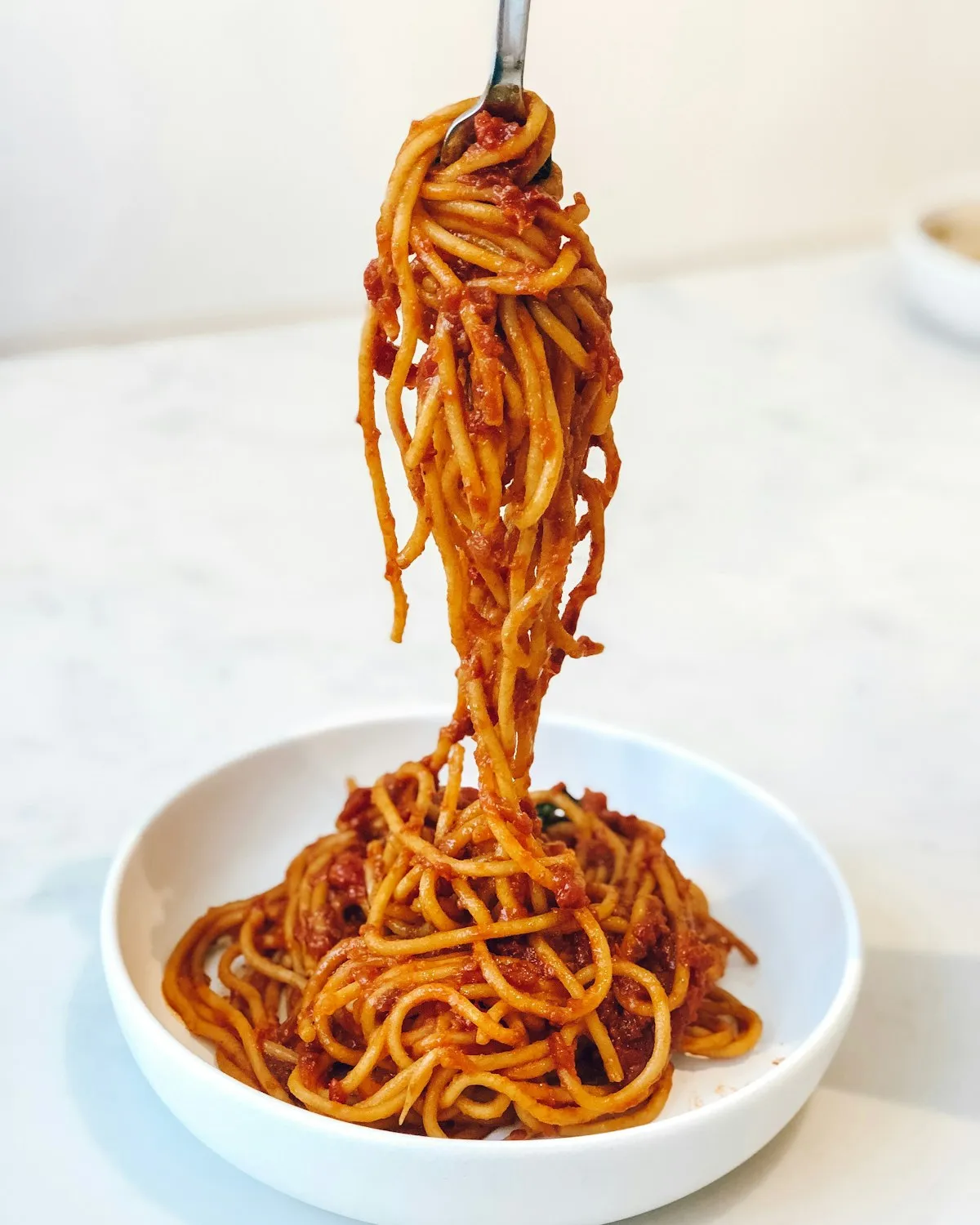
Cooking a restaurant-quality stir-fry at home is less about luck and more about managing water and heat. When you’re looking for healthy dinner ideas that don't taste like "diet food," you have to respect the Maillard reaction. This is the chemical dance between amino acids and reducing sugars that gives your prawns that gorgeous golden-brown crust.
Mastering the Wok Hei
To get that elusive "breath of the wok" (wok hei), you need your pan screaming hot. Use a high-smoke-point oil: think peanut or grapeseed: and wait until you see the first wisps of white smoke. If you crowd the pan, the temperature drops, the prawns release their juices, and you end up "stewing" your dinner in a grey puddle. Cook in batches if you have to. It feels like more work, but it’s the difference between a rubbery shrimp and a succulent, snappy prawn.
The Noodle Hydration Hack
Stop boiling your rice noodles like they’re Italian pasta. If you boil them until they’re soft, they will disintegrate the second they hit the wok. Instead, soak them in very hot (but not boiling) water until they are "al dente": pliable but still firm to the bite. They should finish their cooking process by absorbing the savory sauce in the pan, not by drowning in a pot of water. This ensures they stay bouncy and separate rather than turning into a giant, sticky carb-brick.
Prawn Chemistry and Protein
Prawns are 80% water and 100% sensitive. Overcook them by thirty seconds and they turn into pencil erasers. Salting your prawns ten minutes before they hit the pan actually helps them retain moisture. It’s a process called osmosis that seasons the meat all the way through and prevents the proteins from tightening up too quickly. Remove them from the pan while they still look slightly translucent in the center; the residual heat will finish the job while you’re tossing the noodles.
Balancing the Four Pillars of Thai Flavor
Thai cuisine isn't just "spicy." It’s a tightrope walk between four distinct profiles: Salty, Sweet, Sour, and Spicy. If your dish tastes "flat," you’re likely missing one of these pillars.
- Salty/Umami: This comes from fish sauce. Don't be scared of the smell; it’s the backbone of the dish. It provides depth that salt alone can’t touch.
- Sour: Tamarind paste or fresh lime juice provides the acidity that cuts through the richness of the oil and prawns. Much like my guide on achieving the perfect glossy sauce, the acid here helps brighten every other ingredient.
- Sweet: A touch of palm sugar (or even brown sugar) balances the funk of the fish sauce and the sharp bite of the lime.
- Spicy: Whether you use fresh bird's eye chilies or dried flakes, the heat should tingle, not traumatize.
Mix It Up: Variations for Every Mood
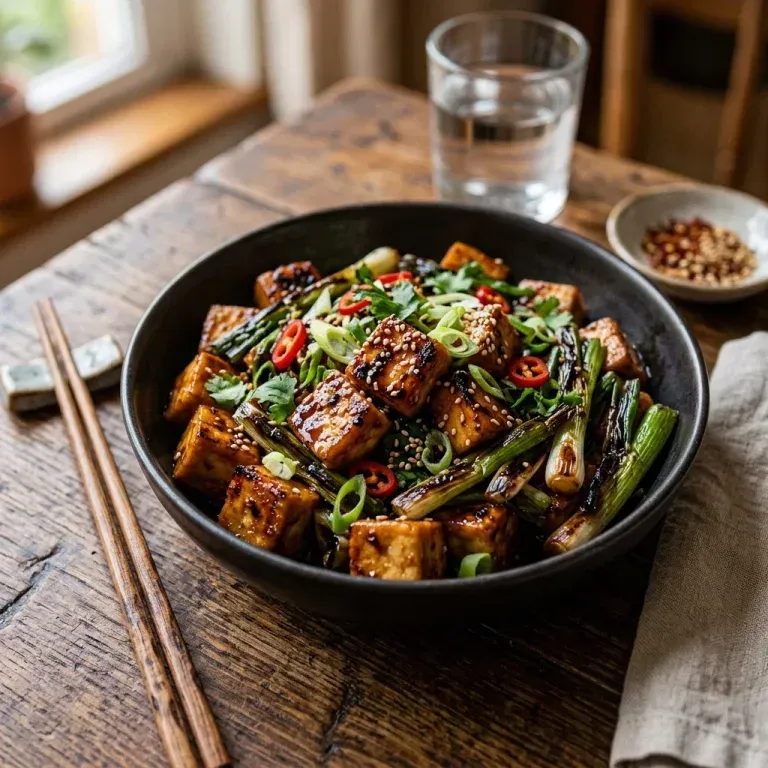
Sometimes you want a change of pace, or maybe the prawns at the store looked a bit sad today. Here is how you can pivot without losing the soul of the dish.
The Plant-Based Swap
Extra-firm tofu is your best friend here. Press it to remove as much water as possible: water is the enemy of a crisp exterior. Tear the tofu into jagged chunks instead of neat cubes; the irregular surface area creates more nooks and crannies for that glorious sauce to cling to. It’s one of my favorite healthy dinner ideas for a meatless Monday.
Keto-Friendly Low-Carb Noodle Alternatives
If you're watching your carb intake, swap the rice noodles for zucchini noodles (zoodles) or shirataki noodles. If using zoodles, do not cook them for more than 60 seconds, or they will turn into a watery mess. You want them to just barely warm through.
The "I'm In A Rush" Cheat Code
If you’re really strapped for time and looking for quick family meals, you can even use pre-cooked frozen prawns. Just make sure to thaw them completely and pat them dry with a paper towel. Since they are already cooked, toss them in at the very last second just to coat them in the sauce. If you're looking for more hands-off options, check out our air fryer recipes dinner collection for those nights when the stove feels like too much work.
Fresh Side Dish Pairings
While these noodles are a meal in themselves, a little contrast goes a long way. Since the stir-fry is warm, salty, and rich, you want a side that is cold, crisp, and acidic.
- Smashed Cucumber Salad: Toss some cucumbers with rice vinegar, sesame oil, and a pinch of sugar. The cooling crunch of the cucumber acts as a reset for your palate between bites of spicy noodles.
- Green Papaya Salad (Som Tum): If you can find green papaya, the shredded, crunchy texture and heavy lime-chili dressing are the classic accompaniment.
- Iced Lemongrass Tea: A cold, floral drink helps tame the heat and mirrors the citrusy notes in the lime and cilantro.
Stir-Fry Troubleshooting: FAQ
What if my noodles are clumping together?
Noodles clump when there is too much surface starch. Rinse your soaked noodles in cold water to wash away that excess starch before they hit the wok. Also, ensure you use enough oil; the oil acts as a physical barrier between the strands.
Can I use frozen prawns directly in the pan?
Avoid this at all costs. Frozen prawns will dump a massive amount of water into your wok as they thaw, dropping the temperature and effectively boiling your stir-fry. Thaw them in a bowl of cool water and pat them bone-dry before cooking.
Why does my sauce taste "metallic" or too fishy?
You might have used too much fish sauce or a brand that is low quality. Always balance a heavy hand of fish sauce with an equal part of acid (lime/tamarind) and a pinch of sugar. The acidity neutralizes the overly "fishy" aroma while keeping the savory depth.
Can I make this ahead of time for meal prep?
Rice noodles don't love being reheated as they tend to absorb all the moisture and get mushy. However, you can prep the sauce and chop the aromatics (garlic, ginger, chilies) days in advance. When you're ready to eat, the actual cooking only takes 5-7 minutes.
My wok is smoking: is that bad?
If it's a light, white smoke, that's exactly what you want! It means the oil is at the right temperature for searing. If the smoke is thick, black, and smells like a tire fire, your heat is too high or your oil has a low smoke point (like butter or extra virgin olive oil). Stick to neutral oils for this one.
{“@type”:”BlogPosting”,”image”:”https://cdn.marblism.com/H3jIyWSLNIU.webp”,”author”:{“name”:”Cookpedia Chef”,”@type”:”Person”},”@context”:”https://schema.org”,”headline”:”15-Minute Thai Prawn Noodles”,”keywords”:”air fryer recipes dinner, quick family meals, healthy dinner ideas”,”publisher”:{“logo”:{“url”:”https://cookpedia.com/logo.png”,”@type”:”ImageObject”},”name”:”Cookpedia”,”@type”:”Organization”},”mainEntity”:[{“name”:”What if my noodles are clumping together?”,”@type”:”Question”,”acceptedAnswer”:{“text”:”Noodles clump when there is too much surface starch. Rinse your soaked noodles in cold water to wash away that excess starch before they hit the wok.”,”@type”:”Answer”}},{“name”:”Can I use frozen prawns directly in the pan?”,”@type”:”Question”,”acceptedAnswer”:{“text”:”No. Frozen prawns release too much water, which lowers the pan temperature. Thaw and pat them dry first.”,”@type”:”Answer”}},{“name”:”Why does my sauce taste too fishy?”,”@type”:”Question”,”acceptedAnswer”:{“text”:”You likely need more acid and sugar. Balance the fish sauce with lime juice and a touch of palm sugar to neutralize the strong aroma.”,”@type”:”Answer”}}],”articleBody”:”You’ve had one of those days… [full content truncated for schema brevity]”,”description”:”Master the art of the 15-minute Thai prawn noodle stir-fry. Learn the science of heat management, noodle hydration, and the four pillars of Thai flavor.”,”datePublished”:”2026-05-21″,”mainEntityOfPage”:{“@id”:”https://cookpedia.com/15-minute-thai-prawn-noodles”,”@type”:”WebPage”}}