Recipe
Servings
Servings 1×
Ingredients
- Tofu
- Noodles
- Tortillas
- Zucchini
- Peas
- Cucumber
- Fresh ginger
- Lime
- Peanut butter
- Cream
- Butter
- Cooking oil
- Soy sauce or tamari
- Sesame
Method
- Use a whisk and a bit of aggression.
- Let's talk about the noodles themselves.
- Cook your noodles just a minute past al dente .
When the temperature starts climbing and the idea of standing over a steaming stove feels like a personal affront, you need a strategy. You need something that doesn’t require you to sweat through your shirt before you’ve even taken a bite. Enter the cold sesame noodle. It is the undisputed heavyweight champion of outdoor dining, offering a creamy, nutty, and slightly spicy profile that stays refreshing even in the midday heat. Whether you are packing a basket for the park or just want one of those reliable plant-based dinner ideas for a humid Tuesday night, this dish is your new best friend.
The Science of the Silky Sauce
Creating a sauce that doesn't turn into a clumpy, separated mess the moment it hits a cold noodle is a matter of chemistry, not luck. Most people fail here because they treat sesame paste like it’s just another liquid. It isn't. Chinese sesame paste (and its cousin, natural peanut butter) is a high-fat, high-protein suspension. If you dump a bunch of soy sauce and vinegar into it all at once, the proteins will seize up and create "the gloop", that grainy, unappealing texture that ruins a good meal.
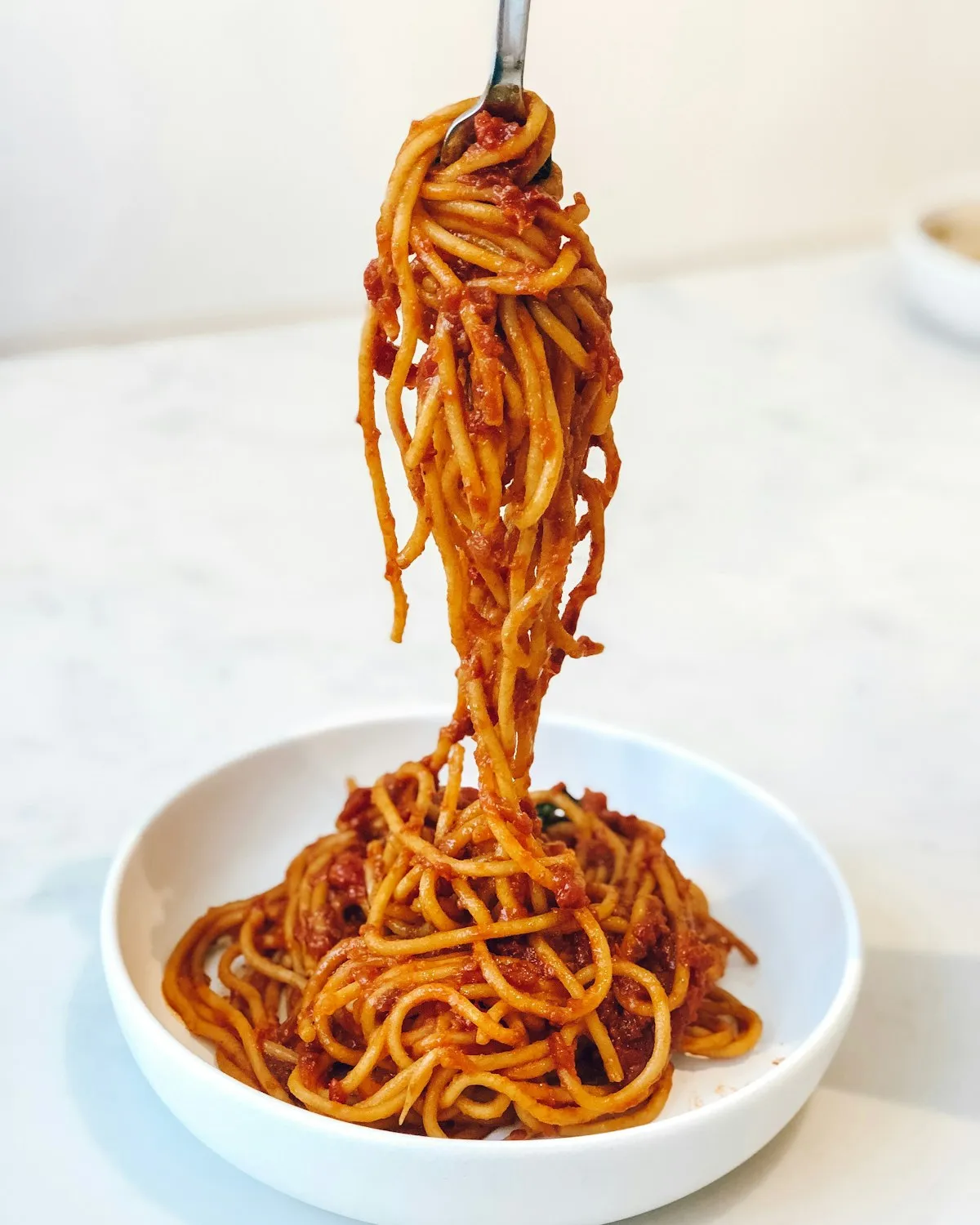
To avoid this, you must master the art of the slow emulsion. Think of it like making a mayonnaise. You want to start with your flavor base, the soy sauce, vinegar, and sugar, and get those solids fully dissolved first. Once your liquid phase is ready, you introduce the sesame paste gradually. Use a whisk and a bit of aggression. If the sauce feels too thick (it should look like heavy cream, not cement), add a tablespoon of hot water or, even better, hot noodle cooking water. The heat helps lower the viscosity of the fats, allowing them to wrap around the water molecules more easily. This creates a stable, glossy emulsion that will cling to your noodles without weighing them down.
Mastering Noodle Texture and Retrogradation
Let's talk about the noodles themselves. When you boil wheat noodles, the starch granules gelatinize, they swell up and get soft. But as soon as they cool down, a process called starch retrogradation begins. The starch molecules start to reorganize into a more rigid, crystalline structure. This is why leftovers can sometimes feel hard or "chalky."
To keep your noodles bouncy for a picnic, you have to play a bit of a trick on them. Cook your noodles just a minute past al dente. I know, it feels like culinary heresy, but hear me out. Chilling them in the fridge will cause them to firm up significantly. If you start with perfectly firm noodles, they will be unpleasantly tough by the time you reach the park.
Once they are cooked, give them a brief rinse in cool water. Don't go overboard; you aren't trying to scrub them. A light rinse removes the excess surface starch that causes clumping, but leaves enough behind to help the sauce "grip" the noodle. Immediately after draining, toss them with a teaspoon of neutral oil (like grapeseed or vegetable oil). This creates a microscopic barrier that prevents the noodles from fusing into a single, giant noodle-brick while they chill.
Strategies for the Perfect Picnic
If you are planning to serve this as one of your quick family meals on the go, storage is everything. While it’s tempting to toss everything together in a big bowl and call it a day, the noodles will act like a sponge, soaking up the moisture from the sauce and leaving you with a dry, pasty mess.
Instead, pack the sauce in a separate jar. This keeps the noodles from over-absorbing the liquid and allows you to give the sauce a vigorous shake right before serving to re-homogenize the emulsion. For the ultimate texture, keep your crunchy elements, like sliced cucumbers, radishes, and toasted peanuts, in their own containers. Adding them at the last second ensures they provide that essential snap against the soft, creamy noodles.
Plant-Based Variations for Every Palate
The beauty of this dish is its versatility. While the classic version relies on the deep, toasted flavor of Chinese sesame paste, you can easily pivot based on what’s in your pantry. If you find yourself in the middle of a busy week looking for 15 minute meals, you can substitute the sesame paste for creamy peanut butter. It’s a bit sweeter and more familiar to many, but it still provides that lush, fatty base that makes the dish so satisfying.
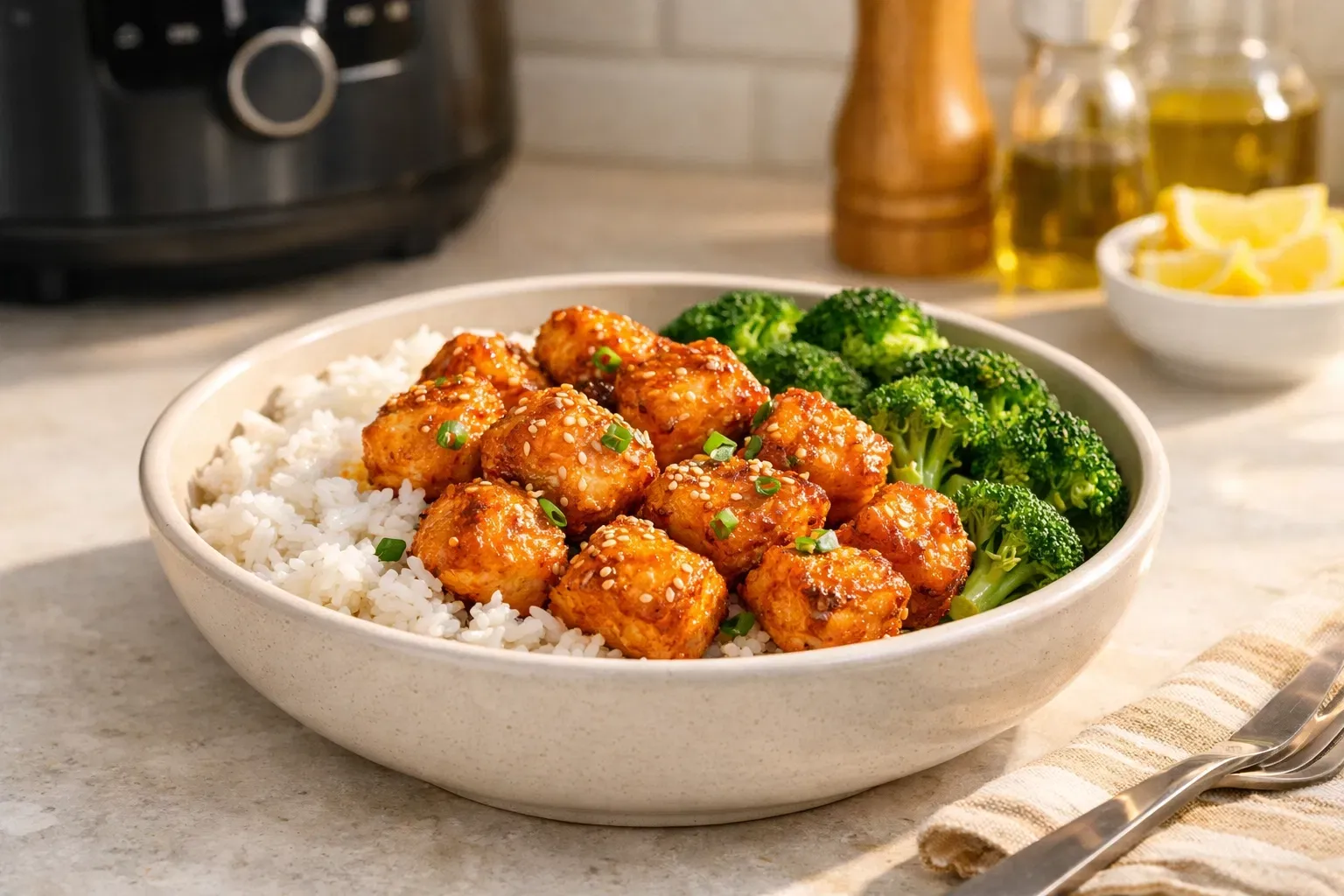
For those who want a bit more "heft," consider adding some protein. Air-fried tofu is an incredible addition because the porous surface of the tofu acts like a flavor-trap for the sesame sauce. You can check out our guide on Air-Fried Sesame Tofu to see how we handle crispy textures (just swap the sausage for tofu!).
If you’re craving a bit of acidity to cut through the richness, try a "Zesty Lime" variation. Swap half the vinegar for fresh lime juice and add a handful of chopped mint and cilantro. This pushes the flavor profile toward a Southeast Asian vibe that is incredibly refreshing on a 90-degree day. If you want to keep things light, replace half the noodles with spiralized zucchini or "zoodles." They add a watery crunch that lightens the entire dish, making it one of the best plant-based dinner ideas for those watching their carb intake.
Perfect Side Dish Pairings
While a bowl of cold sesame noodles is a meal in itself, pairing it with the right sides can turn a simple lunch into a balanced feast. You want sides that offer a contrast in temperature or texture.
- Crispy Smashed Cucumber Salad: This is the ultimate partner. The high water content and sharp vinegary bite of the cucumbers cut right through the heavy sesame fats. It cleanses the palate between bites of rich noodles.
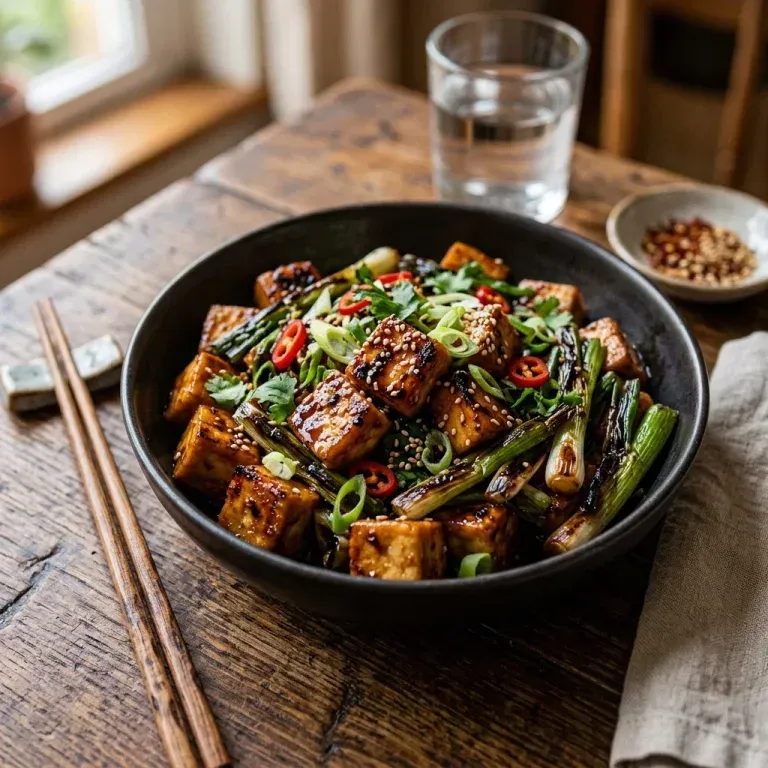
- Chilled Tofu with Ginger and Scallions: For a double-dose of plant-based dinner ideas, serve a block of silken tofu chilled and topped with a soy-ginger dressing. The cold, custardy texture of the tofu is a brilliant foil to the chewy noodles.
- Charred Snap Peas: If you have 5 minutes and a hot pan, char some snap peas until they are blistered but still crunchy. The smokiness from the char adds a layer of complexity that the cold noodles lack.
Frequently Asked Questions
Why did my sauce separate in the fridge?
Don't panic! This is just the fats solidifying and the water-based ingredients settling. Sesame oil and peanut fats have a higher melting point than water. When they get cold, they pull away. Simply let the sauce sit at room temperature for ten minutes and give it a vigorous whisk or shake in its jar. It will come right back together.
Can I use any type of noodle?
Technically, yes, but wheat-based "lo mein" or "chuka soba" noodles are the gold standard. They have the right protein content to maintain their chew when cold. Avoid using very thin rice noodles (vermicelli) for this specific sauce; the sauce is too heavy and will likely break the delicate noodles into mush. If you're in a pinch, even spaghetti works, though it lacks the alkaline "snap" of traditional Asian noodles.
How do I stop the "peanut butter" flavor from being too dominant?
The secret is acidity and aromatics. If your sauce tastes like a PB&J gone wrong, you likely need more black vinegar or lime juice. The acid breaks up the fat's "coating" effect on your tongue, allowing the garlic, ginger, and chili oil to shine through. Never skip the fresh ginger; its sharp, spicy bite is the necessary counterweight to the heavy nut paste.
Is this really a "15 minute meal"?
Absolutely. If you use fresh noodles (which cook in 2-3 minutes) or thin dried noodles, the boiling time is negligible. While the water comes to a boil, you whisk the sauce. By the time the noodles are rinsed and cooled, your sauce is ready. It's one of the fastest 15 minute meals in our repertoire because it requires almost no actual "cooking" beyond boiling water.
What if my noodles are still clumping after I oiled them?
This usually means they weren't drained well enough. Excess water on the surface of the noodle dilutes the oil and allows the starches to bond. Make sure you shake the colander like you mean it. If they do clump, a tiny splash of warm water and a gentle toss with tongs will usually loosen them up without making them soggy.
Outdoor dining doesn't have to mean soggy sandwiches or lukewarm potato salad. With a little bit of science and a solid emulsion strategy, you can turn a few pantry staples into a sophisticated, cooling meal that travels perfectly. So, grab your whisk, ignore the heat, and get those noodles going: your future, sun-drenched self will thank you.
{“@type”:”BlogPosting”,”image”:”https://cdn.marblism.com/wV8_uVjPN5i.webp”,”author”:{“name”:”Cookpedia”,”@type”:”Organization”},”@context”:”https://schema.org”,”headline”:”Refreshing Cold Sesame Noodles for Outdoor Dining”,”keywords”:”plant-based dinner ideas, 15 minute meals, cold sesame noodles, picnic recipes”,”description”:”A deep dive into the science and technique of making the perfect cold sesame noodles for picnics and outdoor dining. Includes tips on sauce emulsification, noodle texture, and plant-based variations.”,”mainEntityOfPage”:{“@id”:”https://cookpedia.com/refreshing-cold-sesame-noodles”,”@type”:”WebPage”}}