Recipe
Servings
Servings 1×
Ingredients
- Chicken
- Shrimp
- Lentils
- Chickpeas
- Beans
- Orzo
- Penne
- Pasta
- Noodles
- Rice
- Broccoli
- Green beans
- Zucchini
- Corn
- Tomatoes
- Garlic
- Lemon
- Cream
Method
- Let’s be honest: your sink is the enemy.
- Use a 1:2 ratio of pasta to liquid by weight as your baseline.
- Keep in mind that a wide, shallow pan will evaporate moisture faster than a deep pot.
- Use a wide skillet for long strands like spaghetti to ensure they stay submerged and cook evenly.
- Stir your pasta frequently, especially during the first few minutes, to prevent the noodles from bonding into a starchy lump.
- Use a mix of broth and milk, or even a splash of heavy cream toward the end of the cooking process.
Let’s be honest: your sink is the enemy. After a long day of juggling life, the last thing you want is a mountain of dishes mocking you from the counter. That’s why I’m obsessed with one-pot pasta. It’s the ultimate kitchen hack for quick family meals that don't end in a scrubbing marathon. We’re talking about maximum flavor with minimal cleanup, real food for real life. If you’re tired of the same old rotation and need healthy dinner ideas that won’t break the bank, you’ve come to the right place.
The Science of the Simmer: Why One-Pot Works
You might think dumping dry noodles directly into a sauce is a recipe for disaster, but it’s actually a stroke of culinary genius. In a traditional setup, you boil pasta in a massive pot of salted water and dump that liquid gold down the drain. What a waste! When you cook everything in one vessel, the pasta releases its starch directly into the cooking liquid. This starch acts as a natural emulsifier, binding your fats and liquids into a glossy, restaurant-quality sauce that clings to every noodle.
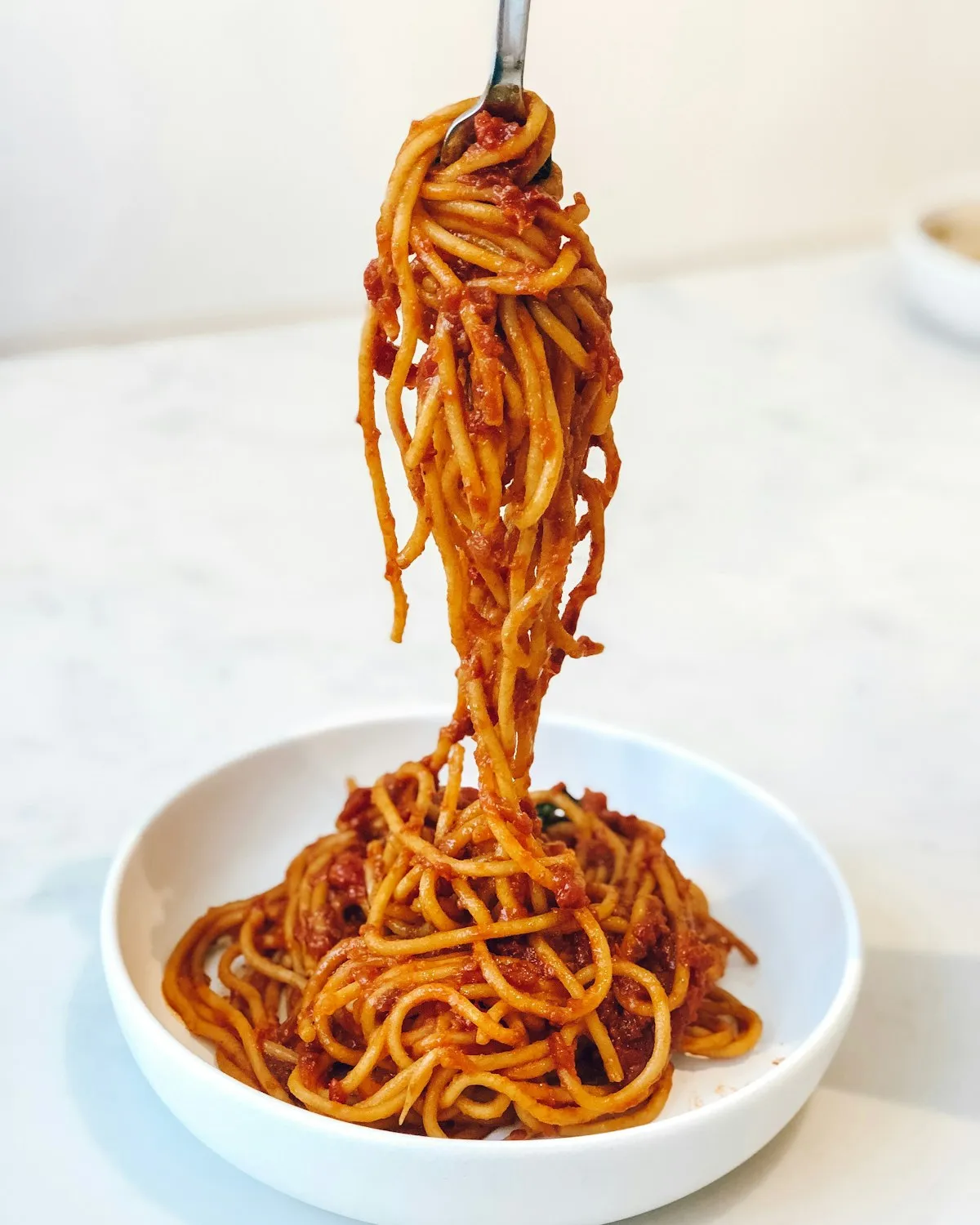
To master this, you need to respect the ratio. Use a 1:2 ratio of pasta to liquid by weight as your baseline. For every 8 ounces of pasta, start with 2 cups of liquid. Keep in mind that a wide, shallow pan will evaporate moisture faster than a deep pot. Use a wide skillet for long strands like spaghetti to ensure they stay submerged and cook evenly.
Don't just set it and forget it. Stir your pasta frequently, especially during the first few minutes, to prevent the noodles from bonding into a starchy lump. Adjust your heat like a pro, keep it at a steady simmer, not a violent boil. If the pan starts looking dry before the pasta is tender, add more liquid, about a quarter-cup at a time. Always add hot liquid to keep the temperature stable. If you find yourself with too much liquid at the end, simply remove the lid and let the steam do its work, or let the pot sit for five minutes off the heat. The pasta will continue to drink up that extra moisture, thickening the sauce into perfection.
Seasoning is another non-negotiable. Since you aren't using a gallon of water, you don't need to over-salt, but you must season early. This allows the pasta to absorb the flavor from the inside out as it hydrates. Think of it as a concentrated flavor bomb. For those nights when you’re truly strapped for time, having a repertoire of these 15-minute one-pan pasta options is a total game-changer for your sanity.
Flipping the Script: Flavor Variations
The beauty of the one-pot method is its versatility. You aren't limited to basic marinara. Swap out plain water for low-sodium chicken or vegetable broth to add instant depth. Want something richer? Use a mix of broth and milk, or even a splash of heavy cream toward the end of the cooking process. For a bright, acidic kick, a squeeze of lemon or a dash of white wine can transform a budget-friendly meal into something that feels decidedly upscale.
If you're looking for healthy dinner ideas that incorporate more protein, don't be afraid to toss in some chickpeas, lentils, or even leftover grilled chicken. For a plant-based twist, try a soulful lentil stew that uses the same one-pot principles to create a hearty, filling base.
Texture is just as important as flavor. Finish your dish with a handful of fresh arugula, a sprinkle of toasted pine nuts, or a generous grating of Parmesan. These small additions provide a contrast to the soft pasta and rich sauce, making every bite interesting. Even if you're leaning into specific dietary needs, like keto-friendly options, you can adapt these techniques with zucchini noodles or heartier vegetable bases like my garlic butter shrimp.
The Perfect Plus-One: Side Dish Pairings
While a one-pot meal is designed to stand alone, the right side dish can elevate the entire experience. Since pasta is inherently rich and starchy, look for pairings that offer acidity and crunch to cleanse the palate. A simple arugula salad with a sharp lemon vinaigrette is my go-to. The peppery bite of the greens cuts right through creamy sauces.
If you have a few extra minutes, firing up the air fryer for some crispy broccoli or roasted peppers is a brilliant move. I often look through my favorite air fryer recipes dinner collection to find quick vegetable sides that don't require me to turn on the oven. Steamed green beans with a hint of garlic or a simple plate of sliced heirloom tomatoes also work wonders. The goal is balance, think light and fresh to offset the cozy, soul-satisfying weight of the pasta.
Burning Questions: The One-Pot FAQ
What if my pasta is still hard but the liquid is gone?
Don't panic. This is the most common hurdle for beginners. Simply add more hot liquid, water or broth, about a half-cup at a time. Stir it in, keep the heat at a simmer, and continue testing the pasta every minute. It’s exactly like making a risotto; the pasta will eventually surrender and soften.
Can I use gluten-free pasta in a one-pot recipe?
Yes, but be careful. Gluten-free noodles (especially those made from rice or corn) tend to be more temperamental. They often release more starch and can turn mushy if overcooked. Use a bit more liquid than usual and start checking for doneness a few minutes early. Avoid stirring too vigorously, or you might end up with a pot of broken fragments.
Why did my sauce turn out greasy instead of creamy?
This usually happens if the heat was too high or if you added cheese too quickly to a boiling pot. When fat separates from the liquid, the emulsion breaks. To fix it, try adding a tablespoon of very hot water and whisking it back together. Next time, turn off the heat before stirring in your cheese or cream.
Is it okay to use different pasta shapes?
Absolutely, but keep an eye on cook times. Small shapes like orzo or ditalini cook much faster than thick penne or rigatoni. If you’re mixing shapes (not recommended, but we’ve all been there), add the ones with the longest cook time first.
Can I meal prep one-pot pasta?
While it's best served fresh to maintain that perfect sauce consistency, you can definitely reheat it. Because the pasta continues to absorb moisture as it sits in the fridge, you’ll likely need to add a splash of water or milk when reheating to bring the sauce back to life. It’s one of those quick family meals that actually tastes pretty great the next day if you handle the reheat with care.
Do I really need to stir it that much?
Yes. Stirring is what encourages the starch to move from the pasta into the liquid. It’s the secret behind that silky, professional finish. If you don't stir, you’ll get clumps of dry noodles and a watery sauce: and nobody wants that. Use a wooden spoon and make sure you're scraping the bottom of the pan to prevent anything from scorching.
{“@type”:”BlogPosting”,”image”:”https://cdn.marblism.com/VXQMsM5Y1OP.webp”,”author”:{“name”:”Penny”,”@type”:”Person”},”@context”:”https://schema.org”,”headline”:”15 One-Pot Pasta Recipes to Save Your Budget and Sanity”,”publisher”:{“logo”:{“url”:”https://cookpedia.com/logo.png”,”@type”:”ImageObject”},”name”:”Cookpedia”,”@type”:”Organization”},”description”:”Discover the science and simplicity of one-pot pasta. Save time and money with these healthy dinner ideas and quick family meals from Cookpedia.”,”datePublished”:”2026-07-01″,”mainEntityOfPage”:{“@id”:”https://cookpedia.com/blog/15-one-pot-pasta-recipes”,”@type”:”WebPage”}}