Recipe
Servings
Servings 1×
Ingredients
- Chicken
- Salmon
- Shrimp
- Tofu
- Lentils
- Chickpeas
- White beans
- Beans
- Orzo
- Penne
- Pasta
- Noodles
- Rice
- Eggs
- Greek yogurt
- Broccoli
- Zucchini
- Spinach
Method
- Let’s be real: pasta is the ultimate safety net for any home cook.
- Keep it firm to keep your energy levels stable.
- Use whole-grain or pulse-based pastas (like those made from chickpeas or lentils) to sneak in extra protein and fiber.
- Sautéed tofu, tempeh, or even a soft-boiled egg can change the dynamic of the dish.
Let’s be real: pasta is the ultimate safety net for any home cook. It’s reliable, it’s comforting, and it’s usually sitting in your pantry right now waiting for a moment to shine. But I’m not talking about those heavy, cream-laden bowls that leave you ready for a three-hour nap. I’m talking about bright, vibrant, and high-impact dishes that transform your kitchen into a Mediterranean escape in less time than it takes to scroll through your feed. If you’re looking for ways to elevate your weeknight routine, these simple pasta recipes are the secret weapon you need to master quick healthy meals without breaking a sweat.
The Science of the Perfect Noodle: Techniques for Success
Creating a restaurant-quality bowl of pasta at home isn't about expensive gadgets; it’s about understanding the physics of the pot. When you boil water, you aren't just hydrating dough; you're managing starches.
Respect the Al Dente
First and foremost, stop overcooking your pasta. This is a non-negotiable rule in my kitchen. Cooking pasta "al dente", meaning "to the tooth", is scientifically superior for two reasons. Tactilely, it provides a satisfying resistance that prevents the dish from feeling mushy. Chemically, it lowers the glycemic index of the meal. When pasta is cooked until it’s soft, your body breaks down the starches into glucose much faster, leading to a sharp insulin spike and a subsequent energy crash. Keep it firm to keep your energy levels stable. Always check your pasta two minutes before the package says it’s done.
The Magic of Liquid Gold
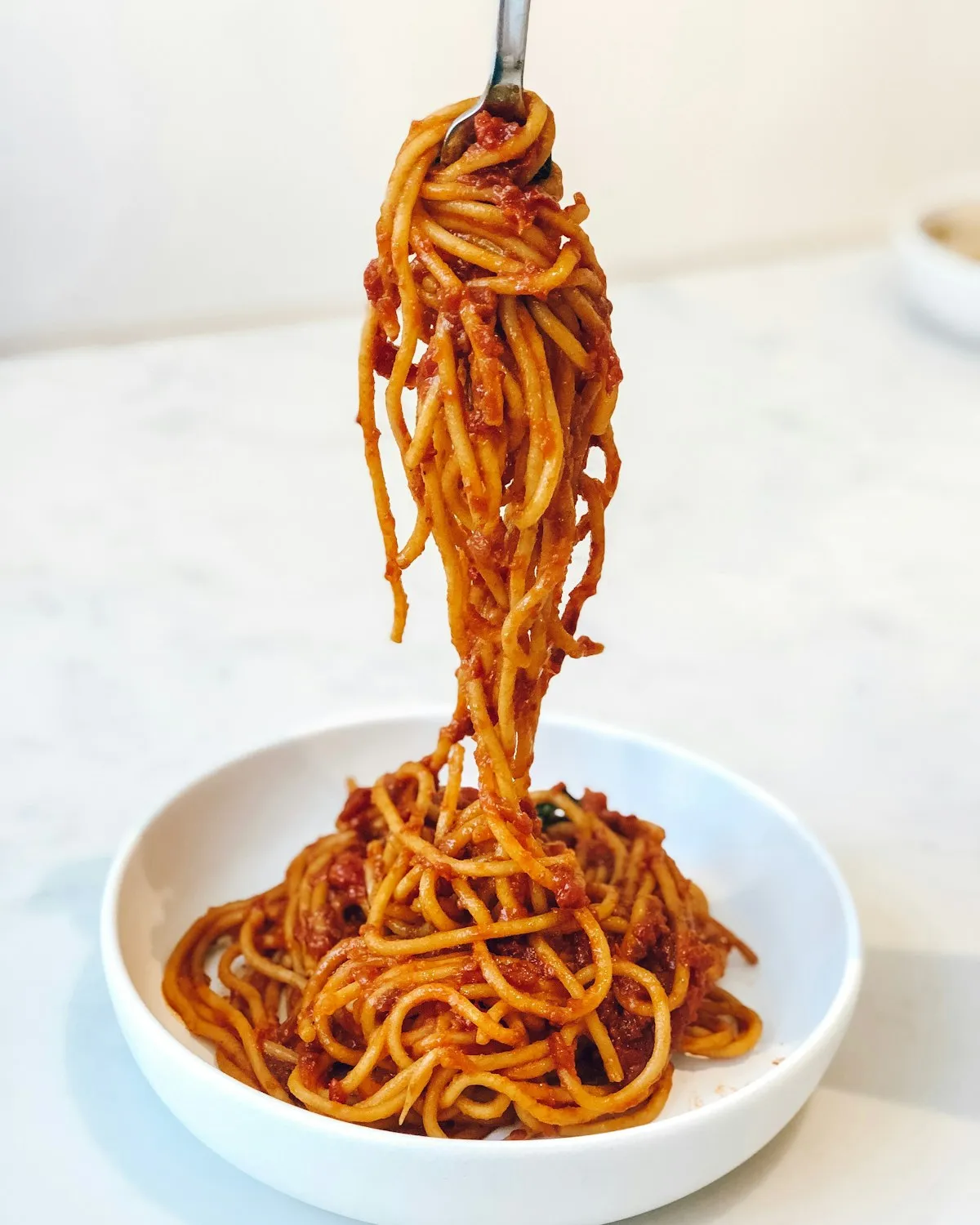
Before you drain that pot into the sink, stop! That cloudy, starchy water is what I call "liquid gold." This water is the bridge between your noodles and your sauce. Most home cooks make the mistake of rinsing their pasta or letting it sit until it gets sticky. Instead, use a pair of tongs or a spider strainer to transfer the pasta directly from the boiling water into your sauce pan. The residual starch on the noodles and a splash of that reserved water will emulsify with your olive oil or cheese, creating a glossy, silky coating that clings to every strand.
Balance Your Plate
Pasta should be a component of your meal, not the entire meal. To turn simple noodles into truly healthy dinner ideas, follow the rule of thirds: one-third pasta, one-third lean protein, and one-third fiber-rich vegetables. This ratio ensures you’re getting a broad spectrum of nutrients while keeping the caloric density in check. Use whole-grain or pulse-based pastas (like those made from chickpeas or lentils) to sneak in extra protein and fiber. They have a nuttier flavor and a heartier texture that holds up beautifully against robust sauces like a lentil "Bolognese" or a spicy arrabbiata.
High-Heat Searing for Flavor
When you’re adding vegetables or proteins to your category/pasta, don't just steam them. Sauté your garlic, chili flakes, and greens in high-quality extra virgin olive oil until the garlic is golden, but not burnt. If you’re adding shrimp or salmon, sear them quickly at a high temperature to develop a Maillard reaction, which creates those deep, savory flavors that make a simple dish feel luxurious. For a crunchier texture, try prepping some toppings using air fryer recipes dinner techniques, like crispy air-fried broccoli or chickpeas, to add a layer of complexity to your bowl.
15 Concept Upgrades for Your Pasta Routine
- The Veggie Fresca: Sauté burst cherry tomatoes and handfuls of spinach in garlic oil for a light, summery vibe.
- One-Pot Tomato Basil: Simmer everything together so the pasta absorbs the tomato broth directly, creating an intense flavor profile.
- Zesty Lemon Greens: Use lemon zest and a massive amount of arugula; the residual heat wilts the greens perfectly.
- Chickpea Primavera: Toss pulse-based rotini with whatever crisp vegetables are in your crisper drawer for a fiber boost.
- Lentil Power Sauce: Replace traditional meat with seasoned lentils for a plant-based take on a classic red sauce.
- Greek Yogurt "Alfredo": Swap heavy cream for plain Greek yogurt and a splash of pasta water for a tangier, protein-packed sauce.
- The Mediterranean Pantry: Use canned tuna, capers, and olives for a salty, briny meal that requires zero fresh ingredients.
- White Bean Cream: Mash some cannellini beans into your sauce for a creamy texture without a drop of dairy.
- Shrimp and Chili Broccoli: Lean protein meets cruciferous crunch in this 15-minute staple.
- Roasted Vegetable Orzo: Use the oven to caramelize bell peppers and zucchini before tossing them with small, rice-like pasta.
- Warm Caprese: Let pearls of fresh mozzarella melt slightly against hot whole-wheat penne and fresh basil.
- Pesto Dilution: Thin out your favorite pesto with pasta water to coat more noodles with less fat.
- Salmon and Dill Bliss: Flake seared salmon into a bowl with peas and a hint of lemon for a sophisticated finish.
- Cold Garden Salad: Turn short pasta into a meal-prep hero by adding beans and a sharp vinaigrette.
- Garlic and Oil (Aglio e Olio): The ultimate minimalist dish; focus on the quality of your olive oil and plenty of toasted garlic.
Smart Variations for Every Diet
The beauty of pasta is its adaptability. If you’re looking to slash carbs even further, don't be afraid to go "half-and-half." Mix your traditional pasta with spiralized zucchini (zoodles) or spaghetti squash. You get the volume and the comforting mouthfeel of pasta, but with a significant increase in micronutrients.
For the protein seekers, look beyond the standard chicken breast. Sautéed tofu, tempeh, or even a soft-boiled egg can change the dynamic of the dish. If you're following a keto lifestyle, focus on the sauces, high-quality fats like avocado oil, butter, and heavy cheeses pair exceptionally well with shirataki noodles or low-carb alternatives.
Always keep an eye on your sauce-to-pasta ratio. A common mistake is drowning the noodles. The sauce should be an accent that highlights the quality of the grain, not a soup. If you’re making a quick family meals favorite, let each person customize their bowl with "sprinkle-ons" like toasted pine nuts, nutritional yeast, or fresh herbs to keep everyone happy.
Side Dish Pairings to Balance the Bowl
A great pasta dish is only half the story. To create a well-rounded meal, you need to think about acidity and texture. Since many pasta sauces are rich or savory, you need something bright to cut through the weight.
A simple arugula salad with a sharp lemon vinaigrette is my go-to pairing. The bitterness of the greens and the acidity of the lemon reset your palate between bites of savory pasta. If you’re serving a lighter, oil-based dish, consider a side of roasted root vegetables or a charred broccoli slaw to add some crunch. Avoid serving heavy garlic bread every night; instead, opt for a small portion of toasted sourdough or skip the extra bread entirely in favor of a side of marinated cucumbers. The goal is to leave the table feeling energized, not weighed down.
Frequently Asked Questions
Why does my pasta always stick together after I drain it?
You’re likely letting it sit in the colander for too long. Pasta starts to release starch as it cools, which acts like glue. To avoid this, never let your pasta sit dry. Transfer it directly into your sauce while it's still dripping wet. If your sauce isn't ready, toss the drained pasta with a small teaspoon of olive oil to coat the strands and prevent sticking.
Can I really make a healthy sauce without cream?
Absolutely. Science is on your side here. Use the emulsion technique I mentioned earlier, pasta water and a hard cheese like Parmesan or Pecorino. When agitated, the starch and fat create a creamy texture without the heavy saturated fats of cream. Alternatively, pureed vegetables like cauliflower or butternut squash can provide a velvety base that is both nutrient-dense and delicious.
Is whole-wheat pasta actually better for you?
Yes, and here is why: it contains the bran and germ of the grain, which are stripped away in white pasta. This means you’re getting more B vitamins, minerals, and significantly more fiber. Fiber slows down digestion, which prevents those mid-afternoon energy slumps. If you find the flavor too strong, try a "white whole wheat" variety or a 50/50 blend to transition your taste buds.
How do I store leftovers without them becoming a soggy mess?
Store your sauce and pasta separately if possible. If they are already mixed, add a splash of water or broth before reheating. This re-hydrates the starch and prevents the noodles from soaking up every last drop of moisture in the microwave. Reheat on low power to avoid "breaking" any fat-based sauces.
What if I don't have fresh herbs?
While fresh is best, dried herbs are perfectly fine if you use them correctly. Dried herbs need heat and fat to "bloom" and release their oils. Add them to your sautéing garlic or onions at the beginning of the process rather than sprinkling them on at the end. Use about one-third the amount of dried herbs compared to fresh, as they are more concentrated.
{“@type”:”BlogPosting”,”image”:”https://cdn.marblism.com/ytbHG1_fnSK.webp”,”author”:{“name”:”Cookpedia Writer”,”@type”:”Person”},”@context”:”https://schema.org”,”headline”:”15 Simple Pasta Recipes to Upgrade Your Quick Healthy Meals”,”faqSchema”:{“@type”:”FAQPage”,”mainEntity”:[{“name”:”Why does my pasta always stick together after I drain it?”,”@type”:”Question”,”acceptedAnswer”:{“text”:”Pasta sticks because starches act like glue as it cools. Transfer it directly into sauce or toss with a little olive oil immediately after draining.”,”@type”:”Answer”}},{“name”:”Can I really make a healthy sauce without cream?”,”@type”:”Question”,”acceptedAnswer”:{“text”:”Yes, by emulsifying starchy pasta water with olive oil or cheese, or by using pureed vegetables as a base.”,”@type”:”Answer”}}]},”publisher”:{“logo”:{“url”:”https://cookpedia.com/logo.png”,”@type”:”ImageObject”},”name”:”Cookpedia”,”@type”:”Organization”},”description”:”Discover 15 simple pasta recipes and master the techniques for quick healthy meals. Learn the science of al dente and how to balance your plate for a nutritious dinner.”,”datePublished”:”2026-06-25″,”mainEntityOfPage”:{“@id”:”https://cookpedia.com/15-simple-pasta-recipes”,”@type”:”WebPage”}}