Recipe
Servings
Servings 1×
Ingredients
- Chicken
- Chickpeas
- Pasta
- Noodles
- Rice
- Bread
- Cauliflower
- Garlic
- Lemon
- Lime
- Honey
- Hard cheese
- Butter
- Cooking oil
- Soy sauce or tamari
- Chili seasoning
- Salt
- Black pepper
Method
- Start by building your heat.
- Add a pinch more salt to ground the flavors, and then add a teaspoon of acid (lemon juice, lime juice, or rice vinegar).
- Keep the sauce at a gentle simmer, and make sure to vigorously toss the pasta with the sauce and a splash of starchy water at the very end to create a stable emulsion.
- Heat it gently over medium-low heat.
If you have spent more than five minutes scrolling through your food feed lately, you have probably run into a term that sounds like a typo but tastes like a revelation: "swicy." It is the marriage of sweet and spicy, and it is currently taking over the pasta world. I am not talking about a weird dessert pasta: this is a savory, fiery, and deeply comforting trend that turns your standard weeknight dinner into something that feels like it came out of a high-end bistro. You need this in your life because it hits every single flavor note your brain is hard-wired to crave.
The Science of the "Swicy" High
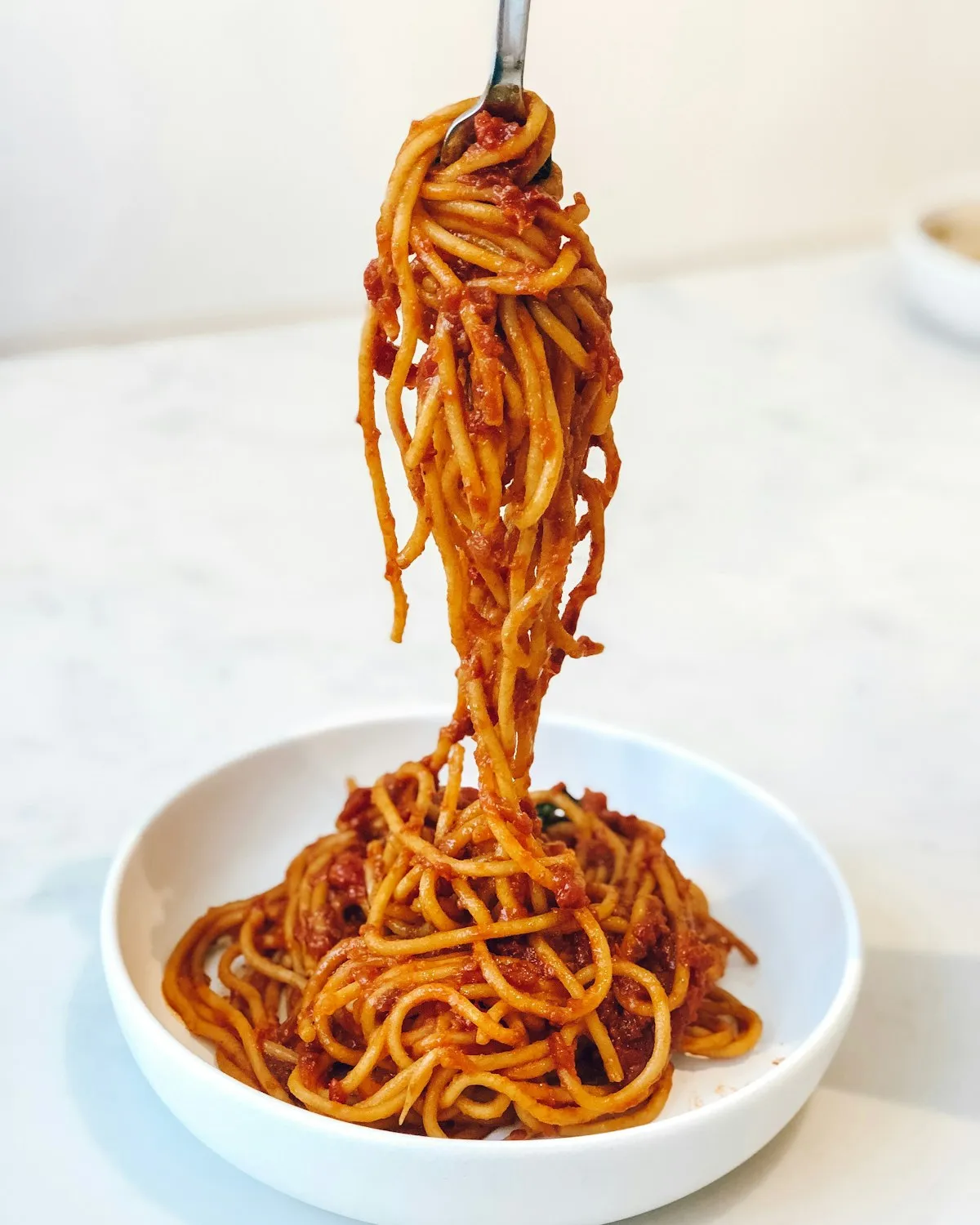
Why does this combination work so well? It is not just about a trendy name; it is actually rooted in biology. When you eat something spicy, a compound called capsaicin hits the TRPV1 receptors on your tongue. These are technically pain receptors. Your brain receives a signal that your mouth is "on fire," and in response, it releases a rush of endorphins and dopamine: the body's natural feel-good chemicals: to help you cope with the "pain." This is the famous "chili high."
Now, enter the sweetness. Sugar does not just mask the heat; it physically coats your taste buds. This creates a buffer that slows down the capsaicin’s ability to bind to those pain receptors. By adding honey, maple syrup, or even a touch of brown sugar to your spicy pasta sauce, you are essentially modulating the burn. You get all the excitement of the spice and the subsequent endorphin rush, but the sweetness rounds off the sharp edges, preventing the heat from becoming overwhelming or one-dimensional. It is a sensory rollercoaster that keeps you coming back for more, making these dishes perfect for quick family meals that everyone actually wants to eat.
To master this at home, you must treat your kitchen like a laboratory. Start by building your heat. Whether you are using crushed red pepper flakes, gochujang (Korean chili paste), or harissa, you want to bring the sauce to a level that feels just a bit too spicy. Then, start introducing your sweet element in small increments. Taste as you go. You are looking for that magical moment where the "sting" of the chili transforms into a "glow." If the sauce starts to taste like candy, you have gone too far: rebalance immediately with a splash of something acidic like lemon juice or vinegar.
Another non-negotiable technique is the emulsification of your sauce. For a swicy sauce to truly shine, it needs to be glossy and cling to the pasta. This is achieved through the "pasta water miracle." Never, under any circumstances, dump all your pasta water down the drain. The starchy, salty liquid is the glue that binds the sugars and fats (like butter or olive oil) into a cohesive glaze. When you toss your nearly-cooked pasta into the sauce, add a splash of that water and keep the heat high. The starch helps the honey and chili oils marry, ensuring every single noodle is perfectly coated. This level of technique turns basic healthy dinner ideas into something truly gourmet.
Remixing the Heat: Swicy Variations
Once you understand the basic sweet-heat balance, the variations are endless. You can tailor the "personality" of your pasta based on which ingredients you choose to play with.
- The Fermented Kick (Gochujang & Honey): If you want deep, funky complexity, go with gochujang. This Korean fermented chili paste is naturally a bit sweet, but it has a savory "umami" backbone that regular chili flakes lack. Pair it with honey and a bit of butter for a silkiness that is unmatched. This is a great way to spice up your routine quick meals when you are tired of the same old marinara.
- The Mediterranean Glow (Harissa & Agave): Harissa brings an earthy, smoky heat with notes of cumin and coriander. Because it is so robust, it pairs beautifully with a neutral sweetener like agave nectar. This version works exceptionally well if you are tossing in roasted vegetables or chickpeas.
- The Hot Honey Classic: If you are short on time, use a pre-infused hot honey. Toss it with some browned butter, toasted garlic, and plenty of black pepper. It is minimalist, high-impact, and fits perfectly into your library of 30-minute meals.
Regardless of the variation, remember the rule of contrast. If you are using a very heavy, sweet sauce, use a pasta shape with ridges, like rigatoni or fusilli, to catch those droplets of liquid gold. If you prefer a lighter, oil-based swicy sauce, long strands like spaghetti or linguine are your best friend.
Cutting Through the Richness: Side Dish Pairings
Because swicy pasta is so intensely flavored and often quite rich (thanks to the sugar and fats), your side dishes need to do some heavy lifting in the department of "refreshment." You want to avoid anything too heavy or creamy, as it will compete with the complexity of the pasta.
A crisp, acidic green salad is my absolute favorite pairing. Think arugula or romaine dressed in a very sharp lemon-shallot vinaigrette. The bitterness of the greens and the punch of the acid act as a "palate cleanser," resetting your taste buds between every bite of spicy-sweet noodles. If you want something more substantial, consider quick-pickled cucumbers or a slaw made with vinegar rather than mayo. These provide a cool, crunchy contrast to the warm glow of the main dish.
For those who need a bit of crunch to soak up the leftover sauce, a simple piece of crusty sourdough is the way to go. Avoid garlic bread with too much butter here; the pasta already has plenty of fat and flavor. You want the bread to be a neutral vessel that lets the swicy sauce take center stage. Adding these balanced sides is a great way to round out your dinner table and ensure the meal feels complete.
Swicy FAQ: Solving the "What-Ifs"
What if I made the sauce too sweet and now it tastes like dessert?
Don't panic; this is a common mistake. You need to increase the savory and acidic components. Add a pinch more salt to ground the flavors, and then add a teaspoon of acid (lemon juice, lime juice, or rice vinegar). The acid cuts through the sugar molecules and brightens the overall profile. If it’s still too sweet, a splash of soy sauce or a bit of parmesan cheese can add the necessary salt and umami to pull it back into the savory camp.
Can I use these swicy flavors for other cooking methods?
Absolutely. While we are focusing on pasta, this flavor profile is incredible for air fryer recipes dinner enthusiasts. You can toss roasted cauliflower or chicken wings in a swicy glaze after they come out of the air fryer. The high heat of the air fryer creates crispy edges that the sweet-and-spicy sauce clings to beautifully.
Is swicy pasta actually healthy?
It certainly can be! Focus on healthy dinner ideas by using whole-grain or pulse-based pastas to increase fiber. For the "sweet" part, you don't need much: a little goes a long way. Using natural sweeteners like honey or maple syrup is a great way to avoid highly processed sugars while still getting that glorious chemical reaction on your tongue.
Why does my sauce separate and look oily?
This usually happens because the heat was too high or you didn't use enough pasta water. The sugars in honey or syrup can break down if they are boiled too hard for too long. Keep the sauce at a gentle simmer, and make sure to vigorously toss the pasta with the sauce and a splash of starchy water at the very end to create a stable emulsion.
What is the best way to reheat swicy pasta?
Sugar can become very sticky when cooled. To reheat, add a tiny splash of water or broth to the pan to loosen the sauce. Heat it gently over medium-low heat. Avoid the microwave if possible, as it can make the pasta gummy and cause the oils in the sauce to separate.
{“@type”:”BlogPosting”,”image”:”https://cdn.marblism.com/BJ9pt4T02P_.webp”,”author”:{“name”:”Cookpedia”,”@type”:”Organization”},”@context”:”https://schema.org”,”headline”:”Why Everyone Is Talking About ‘Swicy’ Pasta (And You Should Too)”,”publisher”:{“logo”:{“url”:”https://cookpedia.com/logo.png”,”@type”:”ImageObject”},”name”:”Cookpedia”,”@type”:”Organization”},”mainEntity”:[{“name”:”What if I made the sauce too sweet?”,”@type”:”Question”,”acceptedAnswer”:{“text”:”Add a pinch of salt and a teaspoon of acid like lemon juice or vinegar to balance the sugar molecules.”,”@type”:”Answer”}},{“name”:”Why does my swicy sauce separate?”,”@type”:”Question”,”acceptedAnswer”:{“text”:”This usually happens due to high heat or lack of pasta water. Use starchy pasta water to emulsify the sauce over medium heat.”,”@type”:”Answer”}}],”description”:”Discover the ‘swicy’ pasta trend: the science of balancing sweet and heat, plus tips for making the perfect sweet-and-spicy pasta at home.”,”datePublished”:”2026-06-26″,”mainEntityOfPage”:{“@id”:”https://cookpedia.com/blog/swicy-pasta-trend”,”@type”:”WebPage”}}