Recipe
Servings
6 servings 1×
Serves 6Prep 1H30 minCook 8 minTotal 1H38 min
Nutrition per serving
Ingredients
- 1 lb pizza dough room temperature
- 4 tbsp unsalted butter melted
- 3 cloves garlic minced
- 1 tbsp fresh parsley finely chopped
Method
- Proof the dough until doubled.
- Rushing this stage leads to dense knots; the CO2 balloons need time to inflate the gluten matrix.
- Tie knots and arrange in a staggered layout.
- Each knot needs a ‘buffer zone’ for air to circulate; overcrowding leads to gummy sides.
- Air fry at 350°F for 6-8 minutes.
- The concentrated heat causes violent CO2 expansion for that iconic ‘spring’.
- Toss with garlic butter *after* cooking.
- Raw garlic will burn in the air fryer, becoming acrid.
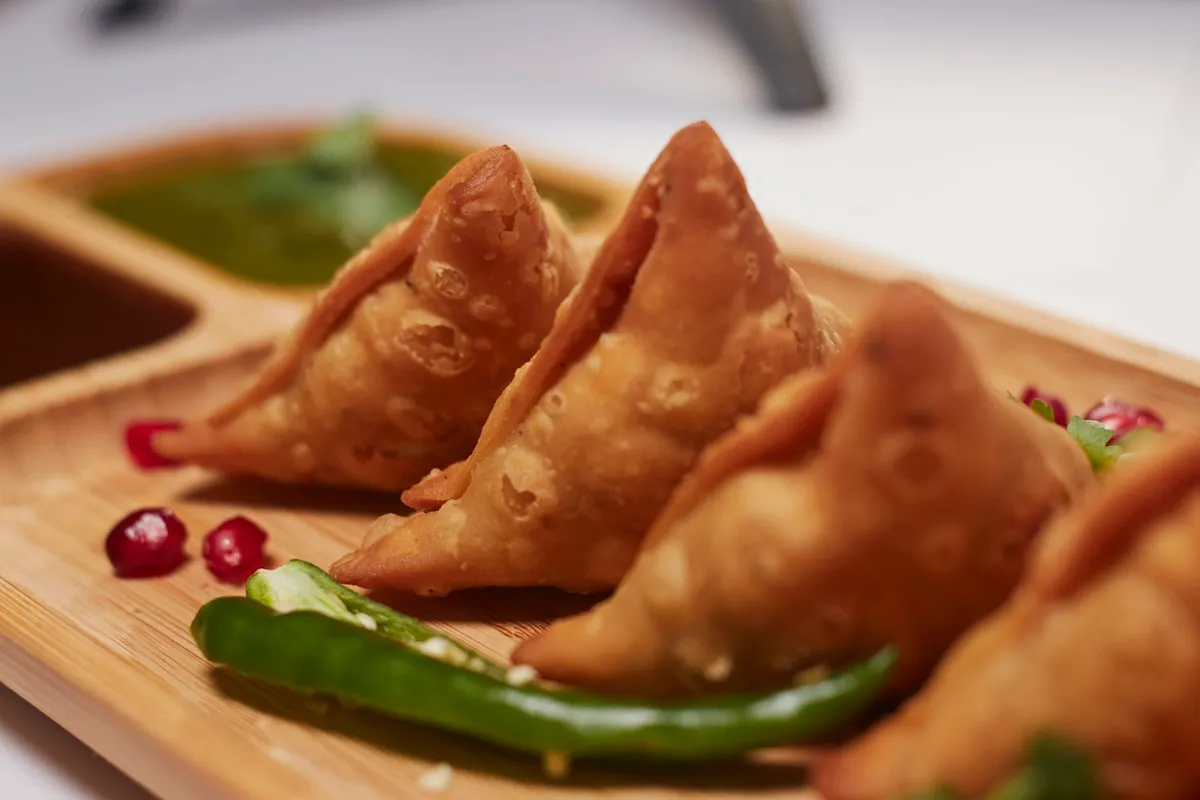
There is something undeniably primal about the smell of roasting garlic and rising dough. It’s a scent that signals “home” faster than any welcome mat ever could. But while we often associate bread-making with hours of kneading and a hot, cavernous oven, the air fryer has completely disrupted the status quo. These garlic knots aren’t just a snack; they are a masterclass in culinary physics. By leveraging the high-velocity air of a convection environment, we can achieve a level of “oven spring” that puts traditional baking to shame. If you’re looking for quick family meals that feel like they took all day, you’ve found the secret weapon.
The Micro-Physics of Dough: Fermentation and Expansion
To understand why an air fryer produces such spectacular garlic knots, we first have to look at what’s happening inside the dough before the heat even turns on. This is where yeast fermentation takes center stage. When you hydrate yeast, you aren’t just “waking it up”; you are initiating a complex metabolic process. These tiny organisms begin consuming the simple sugars present in the flour, and as a byproduct, they release carbon dioxide (CO2) gas and ethanol.
This gas is what creates those beautiful little bubbles inside your knots. However, the gas needs a container, which is where the gluten matrix comes in. Think of gluten as a series of microscopic balloons. As the yeast breathes, these balloons inflate, stretching the dough and giving it that airy, light structure. This is why you must respect the proofing time. Rushing the fermentation means fewer bubbles, which leads to a dense, hockey-puck-like knot that even the best garlic butter can’t save.
Once these gas-filled knots hit the air fryer, the real magic, Convection Oven Spring, happens. Oven spring is the final, rapid expansion of the dough that occurs during the first few minutes of baking. In a standard oven, heat transfer is relatively slow, relying on radiant heat and sluggish air movement. In an air fryer, the concentrated, high-speed fan forces hot air over every millimeter of the knot’s surface.
This rapid heat transfer does two things simultaneously: it causes the CO2 inside the dough to expand violently (gas expands when heated, thanks to Charles’s Law), and it causes the moisture in the dough to turn into steam. Because the air fryer heats the exterior so quickly, you get a massive “puff” before the crust has time to harden and set. This is the “spring” that creates that iconic contrast between a shatteringly crisp exterior and a cloud-like interior. It’s one of the reasons why air fryer recipes dinner enthusiasts are so obsessed with bread, the efficiency is simply unparalleled.
Mastering the Technique: Airflow is Everything
The most common mistake people make with air fryer dough is overcrowding. Remember, the air fryer is essentially a high-powered wind tunnel. If you pack those knots in like sardines, you are blocking the very mechanism that makes them great. Use a “staggered” layout. Each knot needs its own “buffer zone” for the air to circulate. Without this, the sides of your knots will stay gummy and pale, while the tops burn.
Check your temperature settings carefully. Because of the intense convection, air fryers typically cook 25°F to 50°F hotter than a conventional oven. For yeasted dough, you want to hit that sweet spot where the interior cooks through just as the exterior reaches a deep GBD (Golden Brown and Delicious) hue. If your knots look like they’ve spent a week on the surface of the sun after only five minutes, your temperature is too high, and you’re killing the oven spring before the center has a chance to expand.
Flavor Variations and Scientific Tweaks
Once you’ve mastered the basic physics of the air fryer knot, you can start experimenting with the chemistry of the toppings.
- The Umami Bomb: Mix finely grated Parmesan with your garlic butter. The proteins in the cheese undergo the Maillard reaction alongside the dough, creating a complex, savory crust that plain butter can’t match.
- The Herbed Infusion: Instead of just throwing raw herbs on top, infuse your fat (butter or oil) with rosemary or thyme over low heat first. This breaks down the fat-soluble flavor compounds in the herbs, ensuring the flavor penetrates the dough rather than just sitting on top.
- The Sweet Twist: Skip the garlic and toss the hot knots in a mixture of cinnamon and sugar. The residual heat from the air fryer will slightly caramelize the sugar, creating a thin, crunchy glaze. These are fantastic for healthy dinner ideas when you need a small, portion-controlled dessert to round out the meal.
Balancing the Plate: Side Dish Pairings
Garlic knots are heavy on fats and carbohydrates, which means your pairings need to provide a sharp, acidic, or bitter counterpoint to keep the palate refreshed.
- Acidic Contrast: A bright marinara sauce is the classic choice for a reason. The acidity of the tomatoes cuts right through the richness of the garlic butter. If you want something more sophisticated, try a balsamic reduction or a zesty arugula salad like the one found in our guide to The Zesty Arugula Salad.
- Creamy Emulsions: If you’re going for a full Italian feast, pair these knots with a starch-heavy main like our Creamy Garlic Parmesan Pasta. The silkiness of the pasta sauce complements the fluffy interior of the knots perfectly.
- Bitter Greens: Sautéed broccoli rabe or charred kale provides a bitter edge that prevents the garlic and butter from becoming overwhelming.
Frequently Asked Questions (FAQ)
Why didn’t my garlic knots rise in the air fryer?
The most likely culprit is “dead” yeast or improper proofing. If your yeast didn’t foam up during activation, it’s not producing the CO2 needed for expansion. Additionally, if the dough was too cold when it went into the air fryer, the thermal shock might have been too much for the yeast to handle before the crust set. Ensure your dough is at room temperature before the “frying” begins.
Can I use store-bought pizza dough?
Absolutely. Most store-bought doughs are highly resilient and designed for high-heat environments. Just make sure to let the dough sit out for at least 30 minutes before shaping. Cold dough is elastic and “snaps back,” which makes tying knots nearly impossible and inhibits that crucial oven spring.
How do I prevent the garlic from burning?
Garlic has a high sugar content and a very low burn point. If you put raw, minced garlic on the knots before they go into the air fryer, you’ll end up with bitter, black acrid bits. Avoid this by applying your garlic-herb mixture after the knots are cooked, or use garlic powder in the dough and save the fresh stuff for a post-cook brush-on.
Why is the bottom of my knots soggy?
This is a classic airflow issue. If the bottom of your knots isn’t getting crisp, you may need to flip them halfway through the cooking cycle. Alternatively, check that you aren’t using too much parchment paper; if the paper covers the entire basket, you’ve essentially turned your air fryer into a regular oven by blocking the vertical air movement.
Can I freeze the dough knots for later?
Yes, and this is a great hack for quick family meals. Shape the knots and freeze them on a tray before the second proof. When you’re ready to eat, let them thaw and rise at room temperature until doubled in size before air frying. The science remains the same: the yeast will “wake up” during the thaw and be ready to perform that spectacular oven spring the moment they hit the heat.