Recipe
Servings
Servings 1×
Ingredients
- Shrimp
- Steak
- Quinoa
- Pasta
- Noodles
- Garlic
- Lemon
- Honey
- Feta
- Butter
- Chili seasoning
- Black pepper
Method
- Prepare the ingredients described in the article and heat the cooking surface or oven as directed.
- Cook the main ingredients using the heat and timing guidance in the article.
- Finish with the seasonings and garnishes named in the article, then serve.
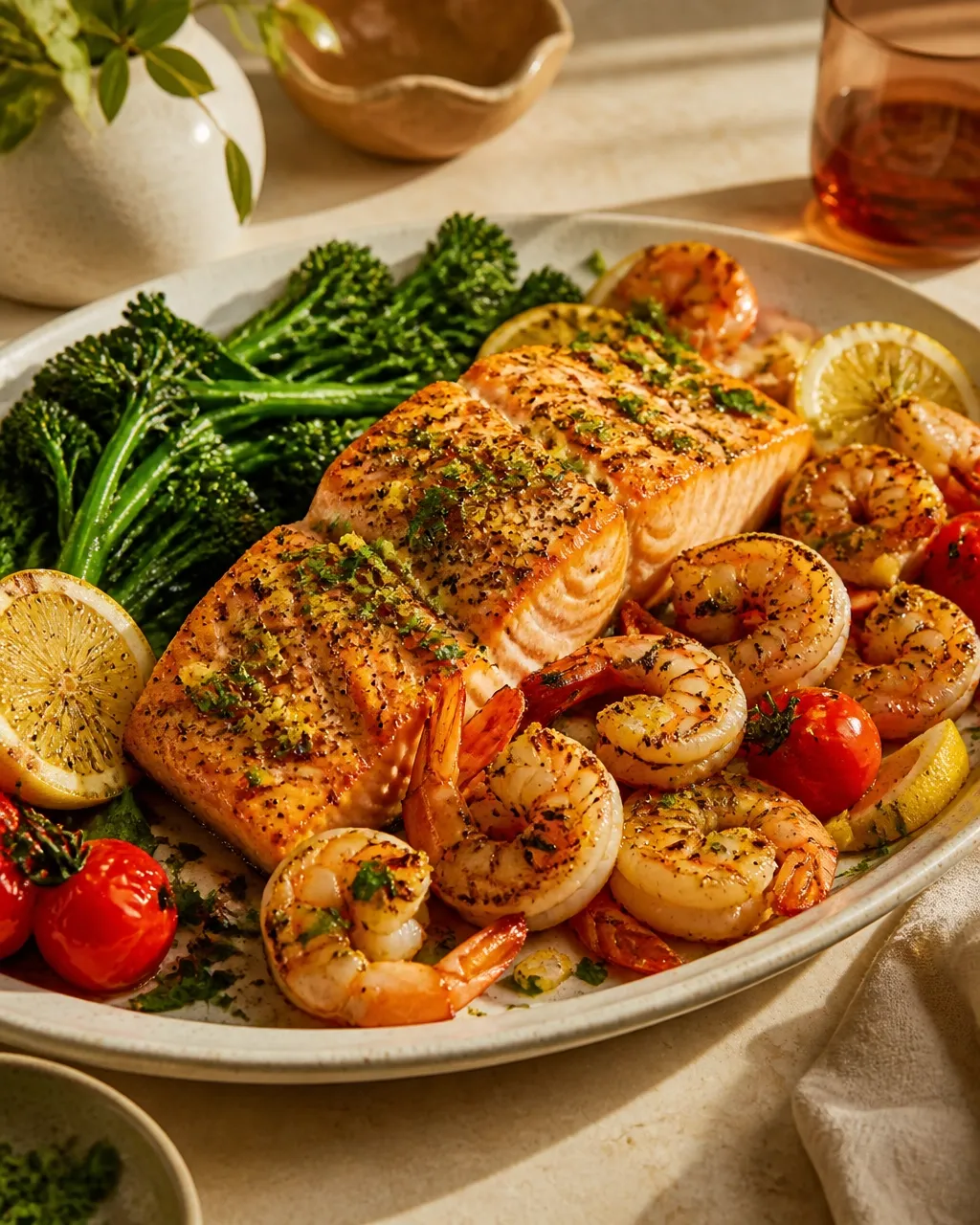
Let’s be honest: shrimp is the ultimate "cheat code" for anyone trying to master quick family meals. It cooks in the time it takes you to find a matching pair of socks, yet somehow, it always feels like a luxury. But if you’ve ever pulled a basket of rubbery, sad-looking prawns out of your machine, you know that speed can be a double-edged sword. To get that restaurant-quality snap and that punchy citrus brightness, you need to understand the physics of the basket. We’re moving beyond just "hitting a button" and diving into why your air fryer is actually a miniature lightning storm for your seafood.
The Vortex of Flavor: The Science of the Sear
If you think your air fryer is just a small oven, I’m here to politely tell you that you’re wrong. It’s a convection powerhouse. While a standard oven lazily drifts heat toward your food, the air fryer uses high-velocity fans to create a turbulent vortex of superheated air. For something as delicate as shrimp, this is a game-changer. The goal is to trigger the Maillard reaction: that magical chemical dance between amino acids and sugars that creates a savory crust: before the internal proteins tighten up into a bouncy ball.
Because shrimp are small and high in moisture, they are prone to steaming rather than searing. To fight this, you must treat moisture as your primary enemy. Pat your shrimp dry with a fervor that borders on the obsessive. Any water left on the surface will absorb the energy of the circulating air to turn into steam, keeping the temperature at a stagnant 212°F (100°C). You need to get past that "steam ceiling" to reach the 280°F+ zone where the browning happens.
Spacing is your second non-negotiable. I see too many people piling shrimp into the basket like they’re trying to pack a suitcase for a two-week vacation. Stop it. When you crowd the basket, you kill the airflow. The air needs to move around each individual shrimp to wick away moisture and deliver heat instantly. If they touch, they steam. If they have room to breathe, they crisp.
The most fascinating part of the "lemon pepper" equation is the lemon itself. Citric acid is a powerful denaturant. If you marinate your shrimp in lemon juice for twenty minutes before cooking, the acid will actually start "cooking" the protein (think ceviche), turning it opaque and tough before it even touches the heat. For the best results, save the liquid gold for the final sixty seconds of cooking. This preserves the volatile oils in the zest and keeps the meat tender. When you're looking for healthy dinner ideas, this technique ensures you aren't sacrificing texture for nutrition.
Beyond the Basic Zest: Flavor Variations
Once you’ve mastered the core physics of the snap, you can start playing with the aromatics. The classic lemon-pepper combo is a foundation, not a ceiling.
For those who want a bit of heat, a "Spicy Citrus" variation is a must. Incorporate dried red chili flakes or a pinch of cayenne into your dry rub. The oils in the shrimp will carry the capsaicin into every crevice, while the lemon pepper provides a cooling, acidic counterpoint. If you’re feeling adventurous, try a "Mediterranean Twist" by adding dried oregano and a hint of feta crumbles during the last minute of cooking. The cheese won’t melt entirely but will soften into salty, creamy pockets that cling to the seasoned shells.
If you have a sweet tooth, a "Honey-Lemon Pepper" version works wonders, but beware of the science: sugar burns fast. If you apply a honey glaze too early, the high-speed air will caramelize it into carbon before the shrimp is done. Apply any sugary glazes only in the final minute, allowing just enough time for the heat to thicken the honey into a sticky, glossy lacquer. This is a staple in many air fryer recipes dinner enthusiasts swear by because it feels sophisticated but takes zero extra effort.
Perfect Pairings: Balancing the Plate
Seafood this bright and peppery needs a side dish that can either absorb the juices or provide a sharp textural contrast. I am a firm believer that a peppery protein deserves a peppery green. Pairing these shrimp with The Zesty Arugula Salad creates a cohesive flavor profile where the lemon in the dressing mirrors the zest on the shrimp.
If you’re looking for something heartier to turn this into a full meal for the family, consider a bed of fluffy quinoa or a simple garlic butter pasta. The shrimp provide the punch, so the starch should be the supporting actor. For a low-carb alternative, Air Fryer Brussels Sprouts are a fantastic companion. You can even cook them in batches; the sprouts take longer, so they go in first, and the shrimp finish the job. This kind of planning is the secret to successful quick family meals that don't leave you standing over the stove all night.
The "What If" Files: Frequently Asked Questions
Can I use frozen shrimp directly in the air fryer?
You can, but you shouldn't if you want the best results. Frozen shrimp release a massive amount of water as they thaw. If you throw them in frozen, that water will pool at the bottom of your basket and turn your "fry" into a "poach." For the sake of the Maillard reaction, thaw them in a bowl of cold water for 15 minutes, pat them dry, and then cook. Your taste buds will thank you.
Why is my lemon pepper seasoning tasting bitter?
Bitterness usually comes from two places: the white pith of the lemon or burnt pepper. When zesting, only take the yellow outer layer; the white part is purely bitter. Also, if your air fryer is running extremely hot (above 400°F), the black pepper can actually scorch. If you notice a burnt taste, lower the temp slightly and increase the time by a minute.
Should I leave the tails on or off?
This is the great kitchen debate. Science-wise, leaving the tails on protects the thinnest part of the shrimp from overcooking. Practically, it also gives you a "handle" if you’re serving these as an appetizer. However, if you’re tossing them into a 15-minute Thai prawn noodle dish, take them off beforehand so you don't have to perform surgery mid-meal.
How do I prevent them from becoming rubbery?
Shrimp are 80% water and 20% protein. As they cook, the proteins coil up and squeeze out the water. If you cook them even 30 seconds too long, they lose too much moisture and become "bouncy." The goal is to pull them out when they form a "C" shape. If they’ve curled into an "O," you’ve gone too far. Trust your eyes more than your timer.
Is it necessary to preheat the air fryer?
Absolutely. If you put shrimp into a cold basket, they will slowly warm up, leaking juices before the surface has a chance to sear. You want that shrimp to hit a hot environment immediately to lock in the moisture. Think of it like a hot pan; you wouldn't put a steak in a cold skillet, would you?
How do I store and reheat leftovers?
Seafood is notoriously fickle when reheated. If you must, use the air fryer again at a lower temperature (320°F) for just 2-3 minutes. This will dry them out slightly, so a fresh squeeze of lemon juice after reheating is mandatory to restore that perceived "moisture" and brightness. It's one of the most reliable healthy dinner ideas for a desk lunch the next day, provided you don't overdo the second round of heat.