Recipe
Servings
2 fillets 1×
Serves 2 filletsPrep 10 minCook 10 minTotal 20 min
Nutrition per serving
Ingredients
- 2 tilapia fillets Patted bone-dry
- 5 cup Grated Parmesan cheese Freshly grated is best
- 1 tsp garlic powder and paprika
- 1 tbsp lemon zest
Method
- Pat the tilapia until it is bone-dry.
- Combine Parmesan, garlic powder, paprika, and zest in a shallow bowl.
- Press each fillet into the Parmesan mixture, ensuring the coating is even.
- The cheese fats will ‘shallow fry’ the fish in place.
- Air fry at 400°F (200°C) for 8-10 minutes.
- The exterior should be golden and the fish should flake easily with a fork.
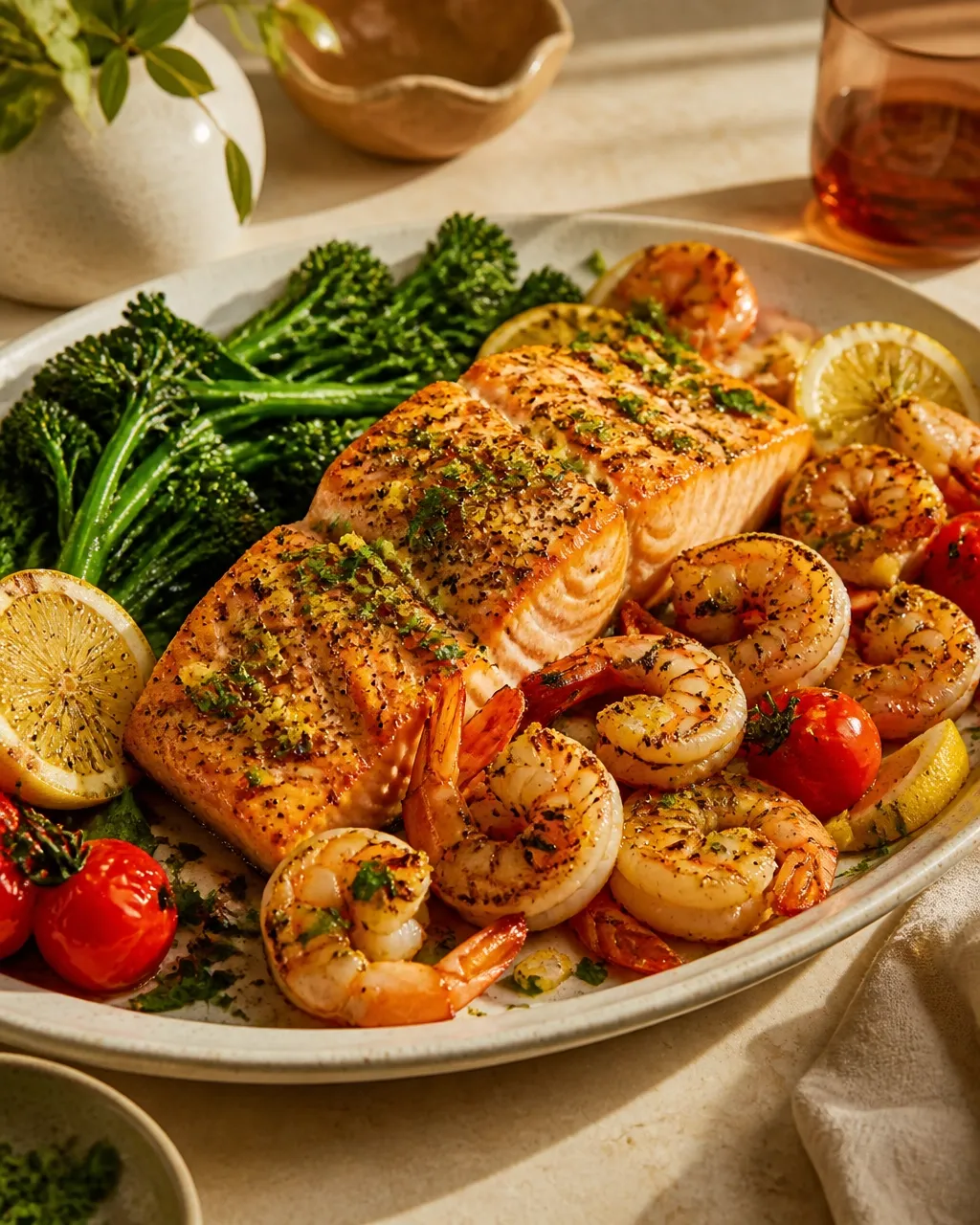
If you’ve ever tried to pan-fry a piece of tilapia only to have it disintegrate into a sad, watery pile of fish-confetti, you’ve felt the sting of culinary betrayal. Tilapia is the gymnast of the seafood world, lean, flexible, and prone to “breaking” if handled without finesse. But when you introduce it to the high-velocity vortex of an air fryer, something magical happens. You get a crust that crunches like a chip and an interior that flakes with the gentlest nudge of a fork. This isn’t just luck; it’s a masterclass in thermal dynamics and moisture management.
The Science of the Crunch: Convection and Chemistry
To understand why this is one of my favorite air fryer recipes dinner staples, we have to look at how heat moves. In a traditional oven, heat is lazy; it drifts around the food like a teenager on a Saturday morning. In an air fryer, however, heat is a hyper-caffeinated athlete. The high-speed fan forces hot air across every millimeter of the fish’s surface, a process known as convection. This rapid movement is essential for the Maillard reaction, that chemical dance between amino acids and reducing sugars that creates the golden-brown color and savory depth we crave.
Now, let’s talk about the Parmesan. Unlike breadcrumbs, which are largely starch, Parmesan is a powerhouse of protein and fat. When you subject it to the concentrated heat of an air fryer, the fat in the cheese renders out, essentially “shallow frying” the protein structure of the cheese in place. This creates a structural lattice that is far more durable and flavorful than any flour-based coating. The cheese creates a semi-permeable membrane; it’s tight enough to keep the fish’s internal moisture from evaporating, but porous enough to let steam escape so the crust doesn’t get soggy.
The “delicate flake” you’re looking for is actually a result of collagen breakdown. Fish has very little connective tissue compared to beef or chicken. When the internal temperature hits that sweet spot (usually around 145°F), the collagen between the muscle fibers, called myocommata, dissolves into gelatin. Because the air fryer cooks so efficiently, the exterior reaches peak crispiness at the exact moment the interior finishes its collagen-to-gelatin transformation. Avoid overcooking at all costs. Every degree past 145°F is a step toward “fish jerky,” and nobody wants that for their quick family meals.
Beyond the Parmesan: Flavor Variations
Once you’ve mastered the basic physics of the crust, you can start playing with the chemical profiles. The Parmesan provides the salt and fat, but you can introduce other elements to shift the mood of the dish.
- The Mediterranean Shift: Incorporate dried oregano and a hint of garlic powder into your crust. The garlic adds sulfur compounds that deepen the savoriness, while the oregano provides a floral, earthy contrast to the richness of the cheese.
- The Piquant Kick: Add a dusting of smoked paprika or a pinch of cayenne. The capsaicin in the pepper doesn’t just add heat; it actually triggers your pain receptors in a way that makes your brain release endorphins, heightening the overall sensory experience of the meal.
- The Zesty Herb: Finely grated lemon zest is a non-negotiable for me. The citrus oils (limonene) are volatile and aromatic. When they hit the hot air of the fryer, they bloom, cutting through the heavy fat of the Parmesan and brightening the mild flavor of the tilapia.
If you’re looking for more inspiration, our quick meals category has plenty of ways to keep your weeknight rotation from getting stale.
Balancing the Plate: Side Dish Pairings
Tilapia is a relatively “quiet” fish. It doesn’t scream with flavor like salmon or mackerel, which means your side dishes need to provide the “loudness” in terms of acidity and texture. This balance is key for creating healthy dinner ideas that don’t feel like a chore to eat.
Use acidity to cut through the richness of the Parmesan crust. A bright arugula salad with a sharp lemon vinaigrette is my go-to. The bitterness of the arugula (thanks to compounds called glucosinolates) acts as a palate cleanser, making each bite of the rich, cheesy fish taste as good as the first. If you want something warmer, consider these air fryer Brussels sprouts; the char from the sprouts complements the toasted notes of the Parmesan perfectly. Avoid heavy, starchy sides like mashed potatoes unless you include a significant hit of vinegar or citrus elsewhere on the plate, otherwise, the meal can feel weighed down.
Troubleshooting Your Flake: FAQ
What if my crust is falling off the fish?
This is usually a moisture issue. Physics 101: oil and water don’t mix. If the surface of your tilapia is wet when you apply the coating, the steam generated during cooking will push the crust away from the flesh. Use paper towels to pat the fish until it is bone-dry before you even think about dredging. A thin “glue” of Dijon mustard or a whisked egg can also provide the protein-based adhesive needed to keep that Parmesan locked in place.
Why does my fish look white and “gloopish” on the edges?
That white stuff is albumin, a protein that is squeezed out of the muscle fibers when they contract too quickly or too tightly. If you see a lot of it, you’ve likely set your air fryer too high or cooked the fish too long. The rapid contraction of the muscle fibers is a sign of thermal stress. Lower the temperature slightly next time to allow for a more gradual heat transfer.
Can I use frozen tilapia?
Technically, yes, but scientifically, it’s a challenge. Frozen fish contains ice crystals that rupture the cell walls of the meat. When thawed, this leads to significant moisture loss (drip loss). If you must use frozen, ensure it is completely thawed and, again, extremely dry. A damp piece of frozen fish in an air fryer is basically just an expensive way to steam something poorly.
How do I know it’s done without a thermometer?
Look for the “flake test.” Use a fork to gently twist the thickest part of the fillet. If the muscle segments (myotomes) separate easily and the meat is opaque rather than translucent, you’re in the goldilocks zone. However, I’m a firm believer in the non-negotiable use of a digital meat thermometer. Precision is the difference between a chef and someone who just makes a mess.
Does the type of Parmesan matter?
Absolutely. Avoid the stuff in the green shaker can; it often contains cellulose (wood pulp) to prevent clumping, which interferes with the melting and crisping process. Use freshly grated Parmesan Reggiano if you can. The higher protein-to-filler ratio ensures a superior structural crust and a much deeper umami profile.
For more tips on mastering your kitchen equipment, check out our Cooking Guides for professional results every time.