Recipe
Servings
Servings 1×
Ingredients
- Shrimp
- Pasta
- Noodles
- Spinach
- Tomatoes
- Garlic
- Lemon
- Cream
- Butter
- Black pepper
Method
- Use your tongs like you mean it.
- Cut garlic too finely, and you create more damage, more rapid allicin formation, and a much harsher flavor.
- Slice the garlic thin instead of smashing it into paste.
- Use a cold-pan start with the butter so the garlic warms gradually.
- Keep going too long, and those proteins squeeze out moisture.
- Heat causes the proteins to unwind and reconnect in a firmer network.
If you have fifteen minutes and five ingredients, you have a world-class dinner. In a world that constantly tells us we need more: more gadgets, more exotic spices, more complex techniques: the Italian philosophy of cucina povera offers a refreshing slap of reality. Sometimes, the most profound culinary experiences come from the most minimal lists. This Garlic Butter Shrimp Pasta is my ultimate manifesto for that "less is more" approach. It is proof that when you treat a handful of high-quality components with respect, they reward you with a meal that feels far more elegant than its humble origins suggest.
The Physics of the Five-Ingredient Foundation
The magic of this dish isn't just in the ingredients; it’s in the chemistry. We are leaning heavily on the minimalist tradition where every single element must earn its place on the plate. When you are working with such a short list, there is nowhere for mediocre ingredients to hide. You need the freshest shrimp you can find, real unsalted butter, and the kind of garlic that makes your eyes water just by looking at it. That short roster is exactly why this pasta feels so polished. There is no backup singer here. Every ingredient has a solo, and if one of them is flat, you will hear it.
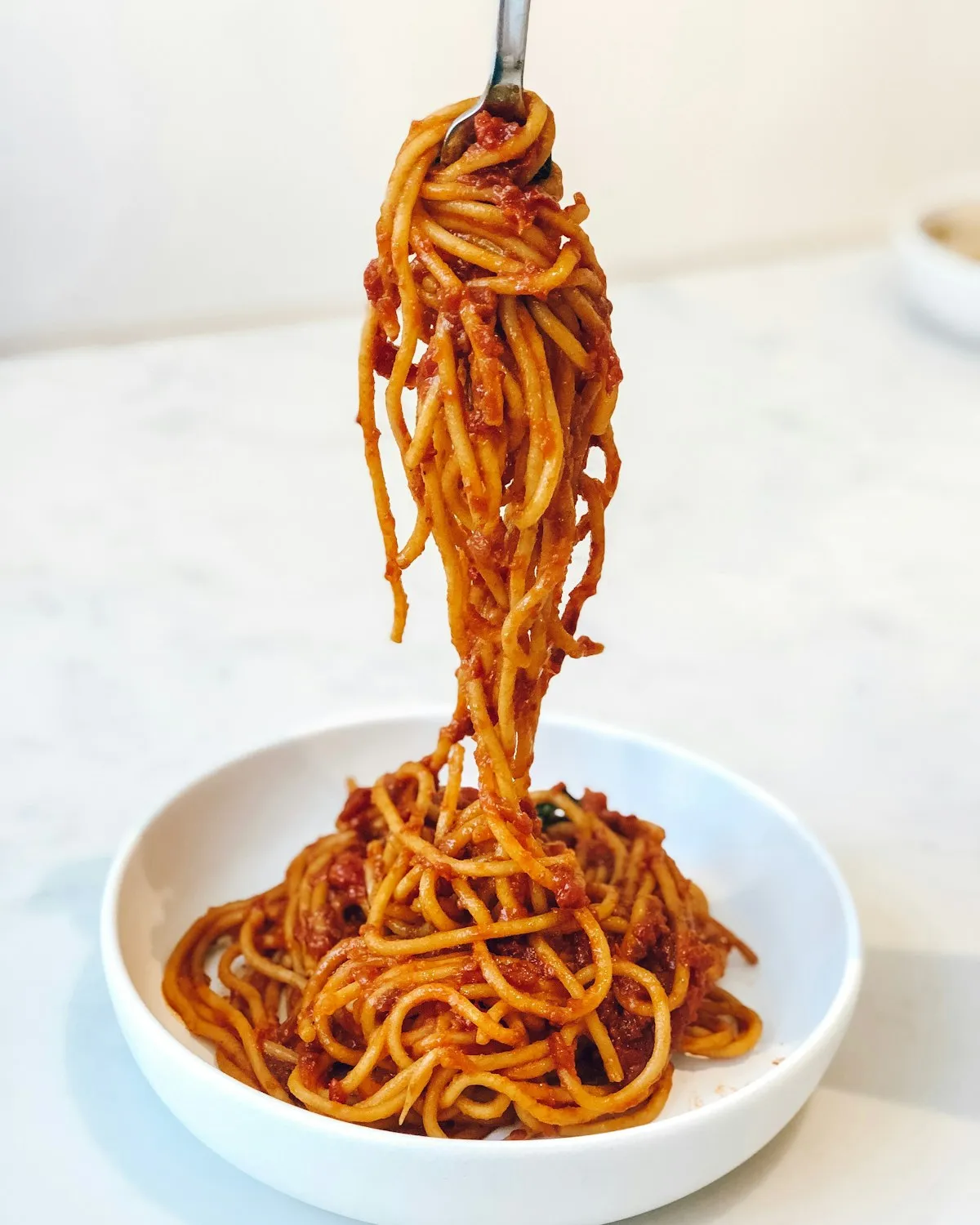
The real engine of the dish is the butter emulsion. You’ve likely heard cooks obsess over pasta water as if it were a magical potion in a stockpot, and honestly, they’re not wrong. As pasta boils, it sheds starch into the water. Those starch molecules help suspend fat droplets in liquid so the butter does not sit on the noodles like an oily raincoat. Instead, it forms a glossy sauce that clings. That cling matters. It is the difference between “I tossed some pasta with butter” and “I made dinner that tastes suspiciously expensive.”
A proper butter sauce is all about managing enemies. Water and fat naturally want nothing to do with each other. They are the kitchen version of two party guests avoiding eye contact. Starch steps in as the negotiator. It thickens the watery phase and helps keep tiny droplets of butter dispersed throughout the sauce. Agitation does the rest. Toss hard. Swirl the pan. Use your tongs like you mean it. A lazy stir makes a lazy sauce.
Temperature matters too. If the pan is nuclear-hot, the emulsion can break and the butterfat separates. If the pan is too cool, the sauce sits there looking confused. Aim for lively heat, not chaos. This is one of those healthy dinner ideas that proves rich and balanced can live in the same bowl when the technique is right.
Tips & Technique: Butter Emulsions, Garlic Chemistry, and Shrimp Snap
To master this dish, you need a few non-negotiables. None of them are fussy. All of them matter. Ignore them, and dinner goes from silky and sharp to greasy and sad in record time.
1. Respect the Garlic Like It Has Receipts
Garlic is not just “garlicky.” It is chemistry in a paper jacket. When you cut garlic, you rupture its cells and allow an enzyme called alliinase to convert alliin into allicin. Allicin is the compound that gives fresh garlic its punchy, unmistakable aroma. It is glorious in moderation and aggressive when mishandled. Cut garlic too finely, and you create more damage, more rapid allicin formation, and a much harsher flavor. That can be useful in a raw dressing. In butter sauce, it can become loud fast.
Slice the garlic thin instead of smashing it into paste. Use a cold-pan start with the butter so the garlic warms gradually. This gives you two advantages. First, the flavor compounds have time to infuse the fat instead of scorching on contact. Second, lower heat slows the rush from fresh, sharp garlic into bitter, overbrowned garlic. Burned garlic is not “rustic.” Burned garlic is punishment.
There is also a timing trick here. Allicin is not especially stable. As garlic heats, its flavor changes from sharp and sulfurous to sweeter, nuttier, and more rounded. That transformation is the whole point. You want the edge to soften, not vanish. Pull the pan too late and you lose the perfume. Push the heat too hard and the milk solids in the butter brown before the garlic is ready. Use patience. This is one of those tiny moves that turns weeknight pasta into one of your standby quick family meals.
2. Chase the Shrimp “Snap,” Not the Shrimp Curl of Doom
Shrimp cook fast because their muscle fibers are delicate and tightly structured. As they heat, the proteins denature and tighten. That tightening is what changes the texture from slippery and raw to firm and juicy. Keep going too long, and those proteins squeeze out moisture. Now you have shrimp with the personality of pencil erasers.
What you want is “snap.” Not rubber. Not mush. Snap. That sweet spot happens when the shrimp just turn opaque and form a loose C-shape. The tighter they curl, the more likely you’ve gone too far. This is protein science, not kitchen superstition. Heat causes the proteins to unwind and reconnect in a firmer network. A little of that gives structure. Too much makes them bouncy in the wrong way.
Surface moisture is another big deal. Wet shrimp steam. Dry shrimp sear. Pat them dry before they hit the pan. That lets the exterior brown instead of simmering in its own puddle. Browning builds savory flavor through the Maillard reaction, which adds depth to a dish that otherwise has very few ingredients to hide behind. For a pasta this simple, that browned edge is not optional; it is part of the architecture.
Use a pan that holds heat well. Do not crowd it. Crowding drops the pan temperature and piles up steam, which sabotages browning and cooks the shrimp unevenly. Work in a single layer. Let the shrimp contact the pan properly. Then move on. They are not there for a long speech.
3. Build the Emulsion Like You Mean It
This is the move that makes the whole dish work. When the pasta is just shy of al dente, transfer it straight into the pan. Do not dump everything into a colander and wave goodbye to the starchy water like it never mattered. It mattered. Reserve more than you think you need. Then add it in small splashes while tossing vigorously.
Why does this work? The starch in the pasta water increases viscosity, which slows separation. The motion of tossing breaks butter into tiny droplets. The pasta itself helps shear and distribute the sauce. Suddenly you have a glossy coating instead of puddles of melted butter lurking at the bottom of the skillet like bad intent. This is the same logic behind so many restaurant pastas. They are not hiding a secret ingredient. They are using physics and not being timid about it.
If your sauce looks greasy, add a little more pasta water and keep tossing. If it looks tight or sticky, do the same. Water is not the enemy here. Water is what gives the butter somewhere to go. The goal is a sauce that looks creamy without actually being cream-based. That is why this trick deserves its own standing ovation among healthy dinner ideas.
4. Use Butter With Control, Not Recklessness
Butter is delicious, but it is not invincible. It contains water, milk solids, and fat. Those milk solids are flavorful, but they can also brown quickly. That is great if you want nutty beurre noisette territory. It is less great if your garlic is still trying to wake up. Keep the heat moderate and pay attention to the foam. Butter tells on itself. When it foams hard and dark specks start forming, you are seconds away from changing the entire flavor profile.
You also need to understand that butter by itself is not a finished sauce. Melted butter alone coats. Emulsified butter sauce clings. That difference is why tossing and timing matter more than adding extra fat. More butter will not fix a broken sauce. Better technique will.
One final note: serve immediately. Emulsions are happiest when fresh. Let the pasta sit too long, and starch keeps absorbing liquid while the sauce loses its shine. This dish does not reward dawdling. Plate it and get to the table.
Flavor Variations: Balancing the Richness
While the core five ingredients are spectacular on their own, part of being a great home cook is knowing how to tweak the balance without wrecking the structure. Since butter and shrimp are naturally sweet and rich, this dish benefits from additions that either brighten, sharpen, or add bitterness. Think in terms of balance, not decoration.
- The Zesty Brightener: Finish with lemon juice and, even better, a little zest. Acid cuts through richness because it shifts your perception of fat on the palate. The dish tastes lighter without actually becoming lighter, which is one of the oldest and smartest kitchen tricks around.
- The Heat Seeker: Add red pepper flakes to the butter with the garlic. Fat dissolves and distributes many flavor compounds more evenly than water, so the heat spreads through the sauce instead of landing in random spicy landmines.
- The Garden Lift: Fold in arugula or baby spinach at the very end. Their slight bitterness helps tame the sweetness of shrimp and butter. It is a clean contrast, not a side quest.
- The Tomato Detour: Add a few halved cherry tomatoes if you want more acidity and a little burst. As they warm, their juices mingle with the pasta water and butter, giving you another layer of sweet-tart balance without hijacking the whole dish.
- The Herb Move: Finish with parsley or chives for freshness. Herbs bring volatile aromatic compounds that make a buttery dish feel more awake. Use them at the end so the aroma lands in the bowl instead of dying in the pan.
That balance-first approach is what makes simple pastas reliable quick family meals. You are not trying to make the dish busier. You are trying to make every bite feel less heavy than the last.
Side Dish Pairings: Completing the Experience
Because this pasta is so focused and minimalist, your side dishes should do actual work. You are not just filling space on the table. You are building contrast for a rich, silky main.
A crisp salad with a sharp vinaigrette is the easiest win. Use something acidic and punchy so each bite resets your palate. Bitter greens are especially useful here because bitterness naturally counters richness. That is why arugula, radicchio, or even a mustardy mixed-green salad makes so much sense beside buttery pasta.
Roasted asparagus or broccolini also work beautifully. Their charred edges bring bitterness and a little smokiness, which gives the shrimp and butter a more grounded backdrop. If you want to keep the meal feeling light, choose vegetables with a firm bite rather than another soft side. Texture matters as much as flavor.
And yes, the crusty bread rule still stands. You need something sturdy enough to drag through the bowl and collect the leftover emulsion. That final swipe is not greed; it is respect. For readers collecting dependable air fryer recipes dinner ideas and pasta favorites in the same week, this is a good reminder that contrast is what makes simple meals feel complete.
FAQ: Troubleshooting Your Shrimp Pasta
Why did my sauce turn out oily instead of creamy?
Your emulsion probably broke, or never really formed in the first place. Usually that means one of three things: not enough starch in the water, not enough agitation, or too much heat. Butter needs help staying dispersed in a water-based sauce. Pasta starch is that help. Add more reserved pasta water a little at a time and toss harder than feels polite. The sauce should go glossy, not greasy.
What if my shrimp are cooked but not browned?
They were likely too wet or too crowded. Moisture on the surface turns into steam, and steam is the sworn enemy of browning. Pat the shrimp dry before cooking and give them space in the pan. A crowded skillet drops in temperature fast, so instead of searing, the shrimp gently perspire. Nobody asked for that.
Why did my shrimp get rubbery so fast?
Shrimp proteins tighten quickly. Once they pass the juicy stage, they start squeezing out moisture and the texture gets springy in a bad way. Pull them when they just turn opaque and curl into a loose C. If they form a tight O, they have crossed into overcooked territory. That “snap” you want comes from just-set proteins, not aggressively tightened ones.
Can I use frozen shrimp for this?
Absolutely. Most grocery-store shrimp have been frozen at some point anyway. Just thaw them fully and dry them well. If they are still icy in the center, they will cook unevenly, and the extra water they release can dilute the sauce and sabotage your sear.
My garlic turned brown instantly. What happened?
The pan was too hot, full stop. Garlic contains delicate sulfur compounds that go from fragrant to bitter in a hurry. Add in butter’s milk solids, which also brown quickly, and the margin for error gets tiny. Start the garlic in butter over lower heat and let it warm gradually. This keeps the flavor aromatic and sweet instead of acrid.
What if I forgot to save pasta water?
First, take a moment. We’ve all done it. Then fake it as best you can by mixing a small amount of starch into hot water. It is not identical, but it can help rescue the sauce. The result will be a little less silky because natural pasta water contains a more complex starch profile, but it is still better than plain water.
Can I reheat leftovers?
Yes, but carefully. Butter emulsions do not love aggressive reheating. Add a splash of water and warm gently over low heat so the sauce can loosen back up instead of separating. The shrimp may firm up a little more on reheat, so this is one of those dishes that truly rewards eating right away.
Is this one of those super-fast dinners I can trust on a weeknight?
Yes, if you prep before the pan gets hot. Have the shrimp dried, the garlic sliced, and the pasta water strategy sorted before you start. Fast dishes move quickly because there is no room for wandering around the kitchen looking for a colander. That is true whether you are making pasta or rotating through air fryer recipes dinner options all week.
Troubleshooting Guide
| Issue | Root Cause | The Fix |
|---|---|---|
| Oily/Greasy Sauce | Failed emulsion or not enough pasta water. | Add more starchy pasta water and toss vigorously to marry the fat and water. |
| Rubbery Shrimp | Overcooked beyond the 90-second mark. | Remove from heat as soon as they turn opaque and curl into a 'C' shape. |
| Bitter Garlic | Minced too fine or sautéed on too high heat. | Slice garlic thinly instead of mincing; start in a cold pan with butter. |
| Dry Pasta | Pasta absorbed all the sauce or water evaporated. | Keep extra pasta water on standby; add a splash to the pan to restore the glossy sheen. |
| Clumping Pasta | Not enough agitation during the toss. | Use tongs or a kitchen flick to keep the noodles moving while adding liquid. |
Mastering this dish is about more than just a quick dinner; it’s about learning to trust your ingredients and understanding why simple food works. Butter needs water and starch to become a sauce instead of a slick. Garlic changes personality the second you cut it, thanks to allicin and all the sulfur chemistry that follows. Shrimp give you only a narrow window between juicy snap and rubber-band energy. That may sound dramatic, but honestly, that is the fun of it.
When you stop hiding behind heavy cream, endless add-ins, and grocery lists that read like a ransom note, you start to actually cook. You pay attention to texture. You pay attention to heat. You notice when the sauce turns glossy and when the garlic smells just right. That awareness is what separates decent pasta from the kind you make once and then keep craving on random Tuesdays. So get your pan hot, keep your pasta water starchy, and remember: simple does not mean boring. It just means every move counts.