Recipe
Servings
Servings 1×
Ingredients
- Pasta
- Noodles
- Zucchini
- Lemon
- Pesto
- Cream
- Hard cheese
- Cooking oil
- Salt
Method
- Prepare the ingredients described in the article and heat the cooking surface or oven as directed.
- Cook the main ingredients using the heat and timing guidance in the article.
- Finish with the seasonings and garnishes named in the article, then serve.
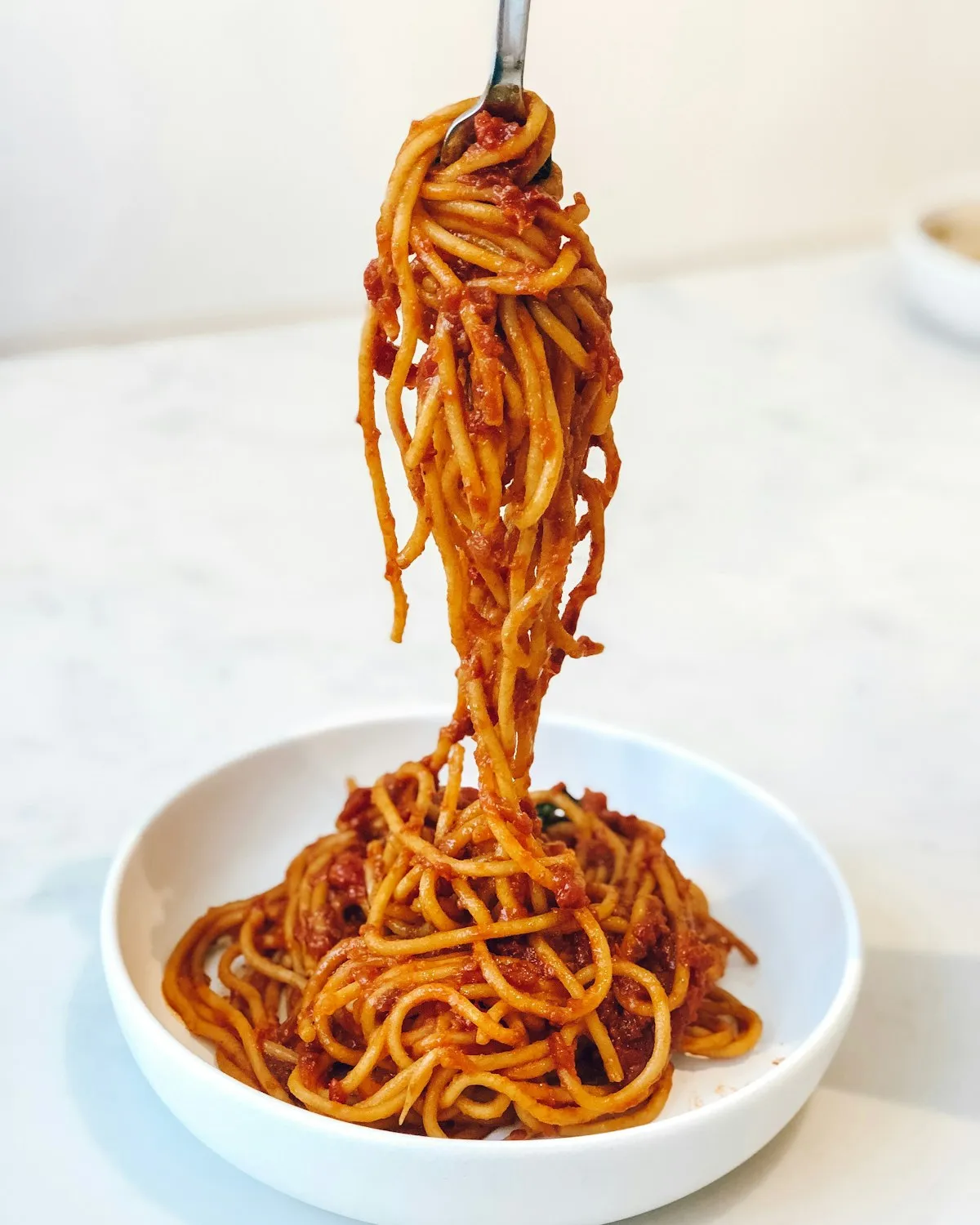
Starting a ketogenic lifestyle often feels like you’ve just signed up for a high-stakes breakup with your pantry. You’re mourning sourdough, deleting your delivery apps, and wondering if life is even worth living without a bowl of spaghetti. I’ve been there. But here is the secret: the transition to keto isn't about deprivation; it’s about clever substitutions that actually taste like food. Enter the "Zoodle." When paired with a punchy, fat-heavy basil pesto, it becomes the ultimate gateway meal. It’s one of those easy dinner recipes that bridges the gap between your old carb-heavy habits and your new high-energy, fat-burning life without making you feel like you’re eating "diet food."
The Great Soggy Zoodle War: Mastering Moisture
Zucchini is essentially a vegetable sponge wearing a pasta costume. It is composed of more than 90% water, which is precisely why so many people fail at zucchini noodles on the first try. Toss raw zoodles straight into a pan and you do not get “light pasta.” You get hot salad soup. To avoid that tragedy, use a bit of kitchen science and let osmosis do the heavy lifting.
Salt matters here because it changes the concentration of dissolved minerals outside the zucchini cells. Once the cut zucchini hits salt, water starts moving out through the cell walls to balance that concentration difference. That is osmosis in plain English: water goes where the salt is. The longer the ribbons sit, the more free water leaves the vegetable. This is why the surface starts looking glossy and wet after a short rest. That liquid was always there. You are just forcing it to show itself before it ruins dinner.
Use salt early. Rest the zoodles in a colander. Let gravity help. Then squeeze thoroughly. Be ruthless. A gentle pat with a paper towel is not enough. You want to remove excess water before heat enters the chat, because heat breaks down zucchini’s pectin structure and weakens the cell walls even further. Once that happens, more internal water spills out, and now your pesto is swimming instead of coating.
This is also where zucchini quietly earns its keto reputation. It gives you the comfort-food shape and twirl of noodles without the metabolic baggage of standard pasta. You keep carbs low, fiber decent, and volume high. That combination helps many keto eaters stay satisfied while keeping net carbs under control. Zucchini is not a magic vegetable sent from the low-carb heavens, but it does solve a practical problem: it replaces a dense starch with a lighter vegetable that leaves room for the fats that actually power a ketogenic meal.
From a metabolic standpoint, that matters. Traditional pasta delivers a concentrated glucose load. Zoodles do not. For people using keto to support steadier energy, appetite control, or improved blood sugar response, zucchini is a smart swap because it contributes bulk and hydration without pushing the meal toward a large post-meal glucose spike. Pair it with a fat-rich sauce like pesto and the dish shifts away from “quick burn fuel” and toward slower, steadier satiety. In other words, this is one of those rare healthy dinner ideas that does not feel like punishment.
When it comes to cooking, less is always more. Think of zucchini as something that needs a brief introduction to heat, not a long-term relationship. Sauté for just a couple of minutes, tops. Overcook it and the fibers collapse, the moisture pours out, and your texture goes from pleasantly tender to stringy sadness. If you want the cleanest texture, toss raw or barely warmed zoodles with warm pesto and let carryover heat soften them. That keeps their bite intact and prevents the dreaded puddle at the bottom of the bowl.
A final non-negotiable: never season blindly at the end. Salt used to purge moisture can leave a little behind, and pesto brings its own salt from cheese, nuts, and any added seasoning. Check the balance after combining everything. Use restraint. You can always add more, but you cannot un-salt a swamp.
For more on managing moisture and emulsions in your cooking, check out our guide on The Starch Emulsion Secret.
The Alchemy of Pesto: Emulsion and Freshness
If the zoodle is the vessel, the pesto is the whole personality. For anyone exploring healthy dinner ideas through a low-carb lens, pesto is a brilliant fit because it is naturally rich in fats and deeply flavorful without needing sugar, starch, or a laundry list of filler ingredients. But pesto is not just “green stuff blended with oil.” It is a small chemistry project, and if you understand that, your sauce goes from decent to clingy, glossy, and outrageously good.
At its core, pesto is an emulsion or at least an emulsion-adjacent sauce: tiny droplets of oil dispersed among water-containing ingredients like basil, lemon juice, and the natural moisture found in nuts and cheese. Nuts do more than add flavor. They help stabilize the mixture because their proteins and fine particles create body and reduce separation. Parmesan helps too. Its proteins and finely grated solids act like little support beams, giving the oil something to suspend within instead of letting it slosh around like a green vinaigrette having a bad day.
That is why nut choice matters. Pine nuts make a famously silky pesto because they are soft and high in fat, so they blend into a smooth paste quickly. Walnuts create a heavier, earthier sauce with slightly more tannic bite. Almonds make the emulsion a bit sturdier and thicker because they are less oily and more fibrous. Each nut changes not only flavor, but texture and stability. This is not food snob trivia. It is why one pesto coats beautifully while another sits in greasy clumps.
Acid is another quiet hero. Lemon juice does more than brighten flavor. Its acidity slows enzymatic browning in basil and helps balance all that richness. Once basil leaves are cut or crushed, enzymes such as polyphenol oxidase start reacting with oxygen. That is why pesto can go from vivid green to swampy olive faster than you can say “I should have made less.” Acid slows that reaction. Cooler temperatures help too, which is why blasting pesto endlessly in a food processor is a terrible plan. Too much friction warms the sauce, dulls the herbs, and makes the oil taste heavier.
Use pulse control. Stop and scrape. Stream the oil slowly rather than dumping it all in at once. That creates smaller droplets and a more stable mixture. Smaller droplets mean better cling and less separation. It also gives the pesto a creamy appearance without needing cream, which is handy if you want rich texture while keeping the dish aligned with keto goals.
And yes, pesto fits keto for more than just the obvious low-carb math. Fat is the dominant energy source in a ketogenic eating pattern, and pesto supplies it in a format that is actually enjoyable. Olive oil, nuts, and cheese increase satiety, help carry fat-soluble flavor compounds, and turn a bowl of vegetables into a meal that feels complete. That combination can make the difference between “I’m trying to eat low carb” and “I can actually keep eating this way next week.”
Avoid shelf-stable jars if you can. They often lean on lower-quality oils, excess preservatives, and dull flavors that flatten the whole dish. Fresh pesto tastes alive. It smells like basil instead of regret. If you want more quick inspiration for flavor-first dinners, explore our quick meals category.
Variations: Beyond the Basil Leaf
Once you’ve mastered the classic basil-and-pine-nut situation, start messing with the formula. Pesto is less a fixed recipe and more a ratio with good manners. Keep the basic structure of herb, fat, nut, cheese, and acid, then tweak the personality.
Walnuts are a great first swap if you want more backbone. They bring mild bitterness, which works well against zucchini’s soft, slightly sweet profile. Almonds create a thicker, more substantial pesto that feels almost luxurious. Pecans make things sweeter and rounder. Each one changes the emulsion slightly, so expect texture shifts along with flavor changes.
If you want a greener, punchier version, use part basil and part parsley. Parsley adds freshness and reduces the risk of an overly perfumed sauce. If you want more peppery bite, fold in a little arugula. If you want a dairy-free approach, nutritional yeast can bring some savory depth, though the sauce will usually be a little less naturally emulsified without the cheese proteins helping out.
Protein changes the mood fast. Grilled chicken makes this feel sturdy and weeknight practical. Shrimp keeps it lighter. Salmon makes it richer and pushes the whole bowl toward dinner-party territory without actually making your life harder. If you like contrast, use something with char. Bitter, smoky edges are excellent against cool zucchini and rich pesto.
You can also turn the same idea into one of your favorite quick family meals by serving pesto with a mix of zoodles and another vegetable noodle shape for people who are still emotionally attached to pasta. I see you. For a sharper, more Mediterranean angle, add olives or crumble in feta. For a creamier feel, blend in avocado, but serve it quickly because avocado oxidizes too and can mute the bright basil notes if it sits too long.
Side Dish Pairings: Balancing the Plate
Because this dish is rich, fatty, and herbal, your side dishes need to do one important job: wake everything up. Think acidity, crunch, and a little bitterness. Do not pile on another heavy side unless your goal is a very expensive nap.
My first pick is a sharp salad with something peppery, mustardy, or bitter. Arugula works beautifully because its bite cuts through the oil and cheese. A lemon-forward dressing keeps the palate from getting coated in richness. Radishes are another smart move. Roasted, they turn mellow and slightly sweet; raw, they bring crisp heat. Either way, they add contrast, and contrast is what keeps a fatty main dish interesting past the first few bites.
Olives, pickled vegetables, or a little feta also work because briny flavors interrupt richness in the best possible way. That salty-acidic edge keeps pesto from feeling too round or heavy. If you are building this into one of your regular quick family meals, keep the side simple and bright so the bowl still feels fresh, not overloaded.
FAQ: Mastering the Keto Grain-Swap
Why did my zoodles still get watery even after salting them?
Usually one of three things happened: you did not let them rest long enough, you did not squeeze firmly enough, or you cooked them too long. Salt pulls out surface and loosely held water, but heat keeps driving out more moisture if you overdo it. Cut zucchini also continues to release liquid as its cell walls weaken. Use high heat briefly, or skip extended cooking altogether.
Why is zucchini useful on keto beyond just being low carb?
Because it solves the texture and volume problem. Keto meals can feel tiny if you only subtract starch and add fat. Zucchini gives you a generous bowl, a noodle-like shape, and enough fiber and water to make the meal feel substantial. Metabolically, it keeps carbohydrate load low while giving pesto space to provide the fats that support satiety and energy on a ketogenic approach.
Why did my pesto split and look greasy?
The emulsion likely broke. That happens when the oil is added too fast, the mixture gets too warm, or there are not enough fine solids from nuts and cheese to hold everything together. Blend in short pulses. Add oil slowly. Keep ingredients cool. If needed, a little extra finely grated cheese can help bring the sauce back together because the proteins and particles improve structure.
Why did my pesto turn brown almost immediately?
Oxidation. Once basil is bruised or cut, enzymes react with oxygen and darken the leaves. Add acid, work quickly, and avoid overheating the mixture. If you want extra insurance, blanch and shock the basil briefly before blending. That step helps preserve color by taming enzyme activity, though it softens the raw edge of the herb a bit.
Can I make pesto ahead of time?
Yes, but protect the surface. Smooth it into a container and cover the top with a thin layer of olive oil to limit oxygen exposure. Refrigerate it promptly. Expect the brightest flavor on day one. It is still good later, but basil is a delicate diva and does not love hanging around.
Can I freeze zucchini noodles?
I would not. Freezing forms ice crystals that puncture the zucchini’s cell walls. Once thawed, all that damaged tissue releases water and the texture turns limp fast. Freeze pesto if you want to prep ahead; make fresh zoodles when you are ready to eat.
What’s the best way to reheat leftovers?
Avoid the microwave if texture matters to you, and it should. Reheat gently in a skillet over low heat just until warmed through. Better yet, eat leftovers cold or room temp like a zucchini noodle salad. The pesto often tastes even better after a little rest, while the zoodles taste worse the more aggressively you reheat them. Choose wisely.
Is this really filling enough for dinner?
Yes, if you respect the fat and include enough protein when needed. Zucchini alone will not carry the meal. Pesto does the heavy lifting there with olive oil, nuts, and cheese. Add chicken, shrimp, salmon, or another keto-friendly protein if you want the bowl to stick with you longer.
Troubleshooting Guide
| Issue | Root Cause | The Fix |
|---|---|---|
| Soggy/Watery Zoodles | Excess moisture not drawn out properly. | Salt zoodles for 20 mins, then wring them out firmly in a kitchen towel. |
| Mushy Texture | Overcooked in the pan. | Sauté for max 3 mins or just toss with hot sauce to soften al dente. |
| Oily/Separated Pesto | Broken emulsion or too much oil. | Stream oil slowly during blending and add an extra pinch of Parmesan to bind. |
| Brown/Dull Pesto | Oxidation of basil leaves. | Add lemon juice (acid) and consider a 5-second blanch/shock for the basil. |
| Bland Taste | Lack of salt or low-quality olive oil. | Use high-quality extra virgin olive oil and adjust salt after mixing with zoodles. |