Recipe
Servings
Servings 1×
Ingredients
- Chicken
- Onion
- Garlic
- Lemon
- Cream
- Hard cheese
- Salt
- Black pepper
Method
- Prepare the ingredients described in the article and heat the cooking surface or oven as directed.
- Cook the main ingredients using the heat and timing guidance in the article.
- Finish with the seasonings and garnishes named in the article, then serve.
Forget everything you think you know about "diet food." If you’ve been slogging through dry chicken breasts in the name of health, you are doing it wrong. Chicken thighs are the undisputed royalty of the keto world, and when you pair them with a savory, salty parmesan crust, you aren’t just eating dinner; you’re having a religious experience. This recipe is all about maximizing flavor and crunch without a single breadcrumb in sight. We are leaning into the glorious world of healthy dinner ideas that actually taste like a cheat meal.
The Science of the Crunch: Why Thighs Rule
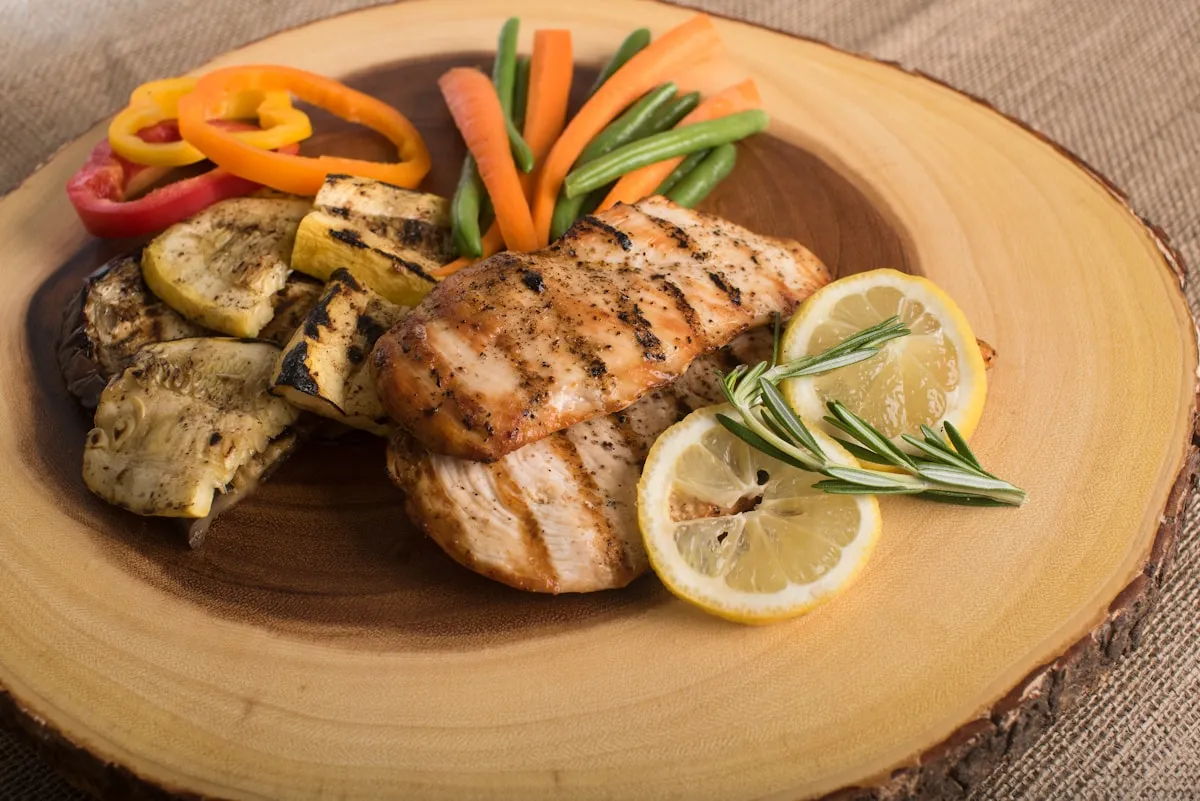
Getting that perfect, glass-shattering skin on a chicken thigh isn't magic; it’s chemistry. To achieve culinary greatness, you must respect the Maillard reaction. This is the chemical reaction between amino acids and reducing sugars that gives browned food its distinctive flavor. Because we are avoiding flour and sugar, we have to work a little harder to trigger this reaction.
First, you must tackle moisture. Water is the enemy of the crunch. If your chicken skin is wet, the heat of your oven or air fryer will spend all its energy evaporating that water into steam before it can even begin to crisp the skin. Use paper towels and press down firmly on every square inch of the chicken. If you have time, let the chicken sit uncovered in the fridge for an hour; the cold air acts as a natural dehumidifier.
Next, let’s talk about the parmesan. Hard cheeses like Parmesan are essentially concentrated blocks of protein and fat with very little water. When exposed to high heat, the proteins denature and the fats render, creating a structural lattice that mimics the texture of breading. This is why parmesan is a staple in quick family meals that need to be low-carb.
Don't settle for the "safe" internal temperature of 165°F for thighs. While that’s the USDA minimum for safety, thighs are packed with connective tissue called collagen. If you stop at 165°F, that collagen remains rubbery. Push your chicken to 185°F or even 195°F. At these higher temperatures, the collagen melts into gelatin. This transformation is what makes the meat fall-apart tender and incredibly juicy.
Finally, consider the role of pH. Adding a tiny pinch of baking powder to your salt rub can drastically change the game. The alkaline nature of the baking powder breaks down the peptide bonds in the skin, allowing it to brown faster and develop tiny, crispy air bubbles. It’s a pro move that separates the home cooks from the kitchen scientists. If you're looking for more ways to master your equipment, check out our guide on air fryer sausage pepper and onion medley for more high-heat inspiration.
Creative Variations: Beyond the Basics
While garlic and parmesan are a match made in heaven, you don't have to stop there. The beauty of this technique is its versatility. If you want a Mediterranean flair, swap the garlic for a heavy dusting of dried oregano and lemon zest. The citrus oils in the zest will infuse into the rendering chicken fat, creating a bright, aromatic profile that cuts through the richness of the thigh.
For those who crave heat, a "Nashville Hot" keto version is easily attainable. Mix some cayenne pepper and smoked paprika into your parmesan coating. The paprika won't just add heat; it contains natural sugars that assist in the browning process, giving your chicken a deep, mahogany hue.
If you prefer a creamier finish, you can transform this dry-rub style dish into a pan-sauce masterpiece. After roasting the chicken, use the rendered fat left in the pan to sauté some fresh garlic and heavy cream. This creates a luxurious "Marry Me" style sauce that adheres perfectly to the crispy skin. This approach is fantastic for air fryer recipes dinner enthusiasts who want to level up their plating game. Just remember: keep the sauce on the bottom of the plate to ensure the skin on top stays crispy until the very last bite.
Side Dish Pairings: Balancing the Plate
Because chicken thighs and parmesan are both high in fat and salt, your side dishes need to provide a "palate reset." This usually comes in the form of acidity or bitterness. Think of your side dish as the backup singer that makes the lead vocalist (the chicken) shine brighter.
A bright, lemony arugula salad is my go-to. The peppery bite of the arugula and the sharp acid of a lemon vinaigrette slice right through the savory heaviness of the parmesan. If you want something warm, roasted asparagus with a heavy squeeze of lime or a splash of balsamic vinegar works wonders.
Avoid starchy or heavy sides like mashed potatoes if you’re trying to keep things light. Instead, try a cauliflower mash infused with a little bit of the same garlic and herb profile used on the chicken. It bridges the gap between the main and the side perfectly. For more ideas on how to round out a meal with big flavors, take a look at our viral garlic butter ramen hack (though save that one for your carb-loading days!).
FAQ: Solving Your Crispy Chicken Dilemmas
Why is my parmesan crust falling off?
This usually happens because the chicken surface was too wet or there wasn't enough of a "binder." While chicken skin has its own fat, a very light coating of olive oil or even a thin layer of mayonnaise acts as a glue for the parmesan. Also, stop poking the chicken! Let it sit undisturbed for at least the first 15 minutes of cooking so the cheese can melt and "set" onto the skin.
Can I use chicken breasts instead?
You can, but I wouldn't recommend it for this specific high-heat method. Breasts lack the fat content and collagen of thighs. By the time the parmesan has crisped up at 400°F, the breast meat will likely be as dry as a desert. If you must use breasts, you'll need to butterfly them to ensure they cook fast enough to keep the meat moist.
My garlic tastes bitter. What happened?
Garlic burns at a much lower temperature than chicken cooks. If you use fresh minced garlic in the initial coating, it will likely turn acrid and bitter. Use garlic powder for the high-heat roasting phase to get that deep, toasted flavor. If you want the punch of fresh garlic, save it for a finishing butter or a sauce that you add at the very end.
Is the air fryer really better than the oven?
For this specific recipe, yes. An air fryer is essentially a high-powered convection oven in a small space. The rapid air circulation is much more efficient at removing surface moisture, which is the key to that "fried" texture. It’s one of the best air fryer recipes dinner options for anyone who wants a "fryer" result without the vat of oil.
How do I store and reheat leftovers?
Store them in an airtight container in the fridge for up to three days. To reheat, avoid the microwave at all costs, it will turn your crispy masterpiece into a soggy, rubbery mess. Put the chicken back into the air fryer or oven at 350°F for about 5-8 minutes. This will re-render the fats and bring the crunch back to life.
Should I use the green shaker bottle parmesan?
Please, for the love of all that is culinary, no. That stuff often contains cellulose (wood pulp) to prevent clumping, which prevents it from melting and browning properly. Buy a wedge of real Parmesan Reggiano or a high-quality pre-shredded version that lists "cheese" as the only real ingredient. Your taste buds and the chemistry of the crust will thank you.