Recipe
Servings
2 1×
Serves 2Prep 5 minCook 10 minTotal 15 min
Nutrition per serving
Ingredients
- 8 oz spaghetti dry
- 4 cloves garlic thinly sliced
- 1/4 cup extra virgin olive oil high quality
- 1 lemon zested and juiced
- 1 tsp red chili flakes optional
Method
- Start garlic in cold oil to allow allicin compounds to release slowly without burning.
- Reserve 1/2 cup of starchy pasta water to bridge the gap between oil and noodles.
- Vigorously toss pasta with oil and water over heat to create a silky, unified coating.
If you’ve ever stared into a nearly empty pantry and wondered how you’re going to survive Tuesday night, you’ve probably met the concept of Aglio e Olio. It is the ultimate “nothing in the fridge” champion. But don’t let its humble reputation fool you; this isn’t just about survival. When you get the balance of punchy garlic, liquid gold olive oil, and the bright zing of lemon just right, you aren’t just eating leftovers: you’re indulging in one of the most sophisticated simple pasta recipes in existence. It’s elegant, fast, and borderline addictive.
The Science of Allicin and the Glossy Pasta Emulsion
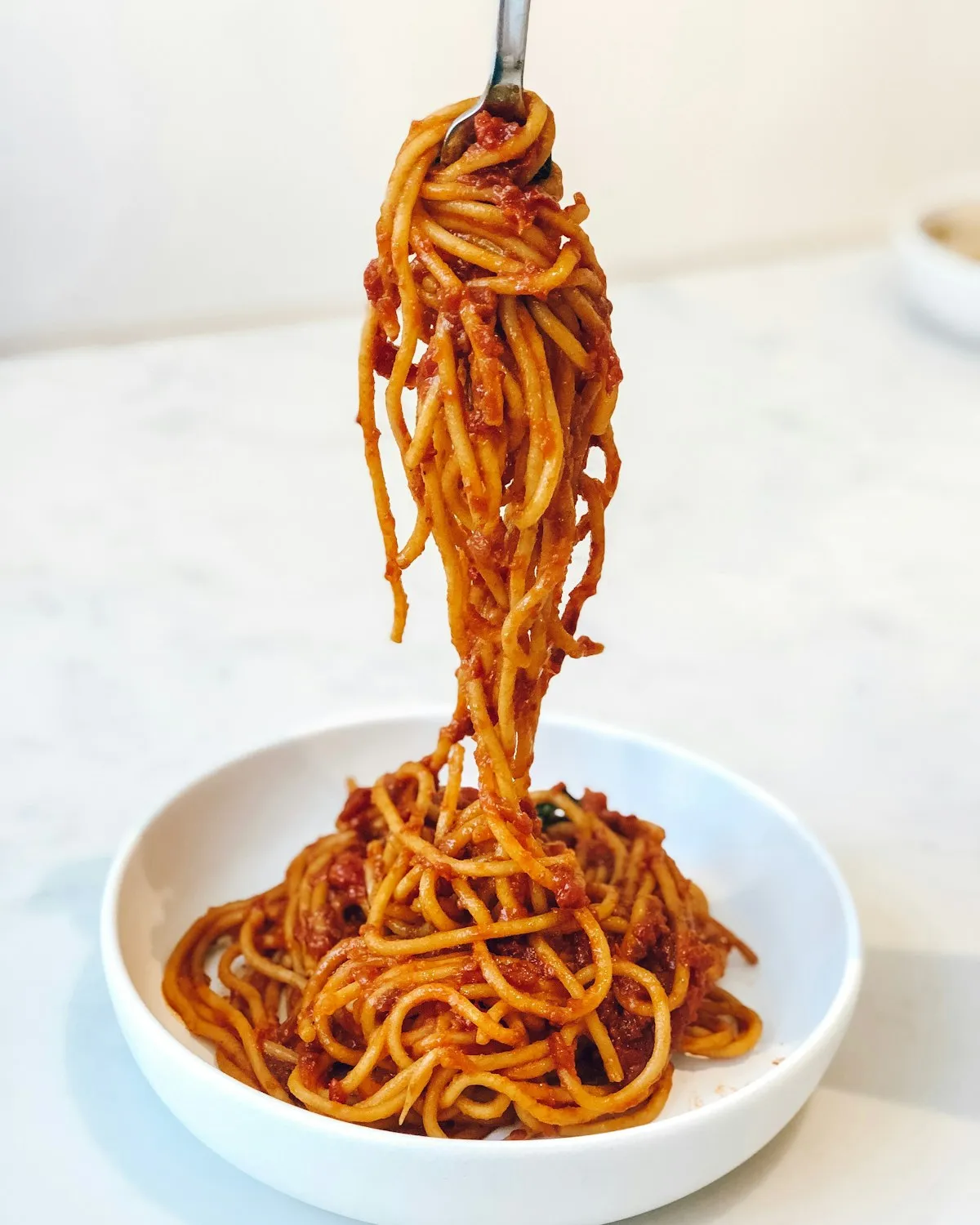
The magic of great aglio e olio is not luck, and it is definitely not “just throw garlic in oil and hope for the best.” This dish is tiny-kitchen chemistry in its most delicious form. If yours ever tasted flat, greasy, or weirdly harsh, the problem was not the ingredient list. The problem was the reaction happening, or not happening, in the pan.
Start with garlic, because garlic is the drama queen here. A whole clove of garlic is surprisingly mild until you cut, crush, or grate it. The moment you damage the garlic’s cells, an enzyme called alliinase gets to work on a sulfur compound called alliin. That reaction creates allicin, which is responsible for that sharp, unmistakable fresh-garlic punch. In other words: garlic is not born loud. You make it loud by cutting it open.
That little fact explains why different knife work gives you different results. Thin slices create a gentler, slower release. Finely minced garlic creates more cell damage, more allicin, and a much stronger hit. Grated garlic is basically maximum chaos. Use that knowledge on purpose. If you want a softer, rounder pasta, lean toward slicing. If you want the garlic to really step forward and announce itself like it pays rent, mince it more finely.
Here’s the catch: allicin is powerful, but it is also unstable. Heat changes it quickly into other sulfur compounds that taste sweeter, nuttier, and less aggressive. That is why raw garlic bites hard while slowly cooked garlic tastes mellow and almost buttery. For this pasta, you want some of that edge, but you do not want the garlic to cross into bitterness. Start it in relatively cool oil and bring it up gently. Do not dump it into ripping-hot oil like you are trying to punish it. That is how you get burnt edges, acrid flavor, and instant regret.
Use gentle heat and watch for pale gold, not dark brown. Pale gold means the harsh raw bite has softened and the oil has picked up those aromatic sulfur compounds. Dark brown means the garlic has gone from charming to rude. Once it burns, the whole dish tastes like a lecture. There is no clever fix for burnt garlic. Start over and save yourself the disappointment.
Now for the part that separates decent pasta from restaurant-level pasta: the emulsion. A lot of people think aglio e olio is an oil-based sauce. Technically, yes. Functionally, no. The best version is a temporary emulsion made from olive oil, pasta water, and starch. That is why the sauce looks glossy and clingy instead of slick and separated.
When pasta cooks, it releases starch into the water. That cloudy water is not waste. It is your sauce builder. Starch molecules help water and fat stay suspended together long enough to coat the noodles. Without that starch, the oil just slides around the pasta and settles in the bowl like an awkward guest who refuses to mingle. With enough starch and agitation, the oil breaks into tiny droplets and disperses through the water phase, creating a silky coating instead of a greasy puddle.
This is where vigorous tossing matters. It is not culinary theater. It is mechanics. Agitation physically breaks the oil into smaller droplets, and the starch helps keep those droplets suspended. Heat helps too, because a warm emulsion comes together more easily than a cold one. That is why the pan should stay active while you combine everything. Toss, stir, shake, and keep it moving until the sauce turns glossy and unified. If it looks watery at first, keep going. If it looks oily, add a bit more starchy water and keep tossing. Aglio e olio rewards persistence, not panic.
This is the same principle behind the silky finish in our creamy garlic parmesan pasta, just without dairy doing any of the heavy lifting. Here, the starch has to do the job alone, so your timing matters even more. Use the pasta water while it is hot. Finish the pasta in the pan, not in the serving bowl. Give the sauce a chance to become an actual sauce.
Lemon changes the whole structure of the dish too, and not just the mood. Fat can feel heavy on your palate because it lingers. Acid cuts through that richness and makes the flavors seem brighter and more defined. Lemon zest brings aromatic oils that smell floral and vivid, while lemon juice brings sharp acidity. They do different jobs. Zest perfumes the dish; juice wakes it up. Use both thoughtfully and the pasta tastes lighter without losing richness.
There is also a timing issue with lemon. Add it too early over strong heat and some of those bright volatile aromas vanish. Add it toward the end and you keep more of that fresh citrus character. That final hit of lemon makes the garlic taste cleaner, the olive oil taste fruitier, and the whole bowl feel less one-note. It is the difference between “nice pantry pasta” and “wait, why is this so good?”
So yes, this is one of those meals that looks suspiciously simple. But simple does not mean careless. Control the garlic reaction. Respect the starch water. Build the emulsion on purpose. Do those three things, and this humble bowl turns into one of the smartest healthy dinner ideas in your rotation.
Exploring Flavor Variations
Once you understand the core science, you can riff without wrecking the dish. That is the sweet spot. Aglio e olio is flexible, but not lawless. Keep the balance between richness, aroma, and acidity, and you can make smart changes without losing the point.
If you like heat, add chili flakes with the garlic oil. Capsaicin is fat-soluble, so the olive oil carries that warmth through the whole sauce instead of leaving you with random spicy landmines. Want more texture? Add toasted breadcrumbs right before serving. They give the pasta crunch, and that contrast matters because this dish is otherwise all silk and slurp. Soft plus soft equals boring. Crunch fixes that fast.
If you want to make it feel more substantial, add a quick-cooking protein, but keep it restrained. This is not the place for a giant pile of stuff. Shrimp works because it cooks fast and stays sweet. White beans can work if you want a pantry-friendly option with more staying power. That keeps the dish in the lane of quick family meals without turning it into a traffic jam.
Herbs are another easy switch. Flat-leaf parsley is classic because it tastes fresh and slightly bitter, which helps cut the oil. Basil pushes things sweeter and softer. Mint can work with the lemon if you want a fresher, brighter finish, but go easy or the pasta starts acting like a salad. Add herbs at the end, always. Residual heat is enough to wake up their oils. Too much direct heat dulls their flavor and makes them look tired.
You can also adjust the lemon depending on what mood you are in. More zest makes the dish smell brighter and more fragrant. More juice makes it sharper and cleaner. If your olive oil is especially rich or peppery, a little extra acid helps keep the balance. If the oil is already delicate, too much lemon can bully it. Taste and correct. Do not just squeeze and pray.
Mastering Side Dish Pairings
Since this pasta is all about fat, starch, and aroma, pair it with sides that bring contrast. Do not serve it with something equally rich and creamy unless your goal is to take a nap immediately after dinner. Use bitterness, acidity, or crisp texture to reset your palate between bites.
A simple arugula salad is still the best move. Peppery greens cut through the olive oil and make each forkful of pasta taste fresh again. Keep the dressing light and sharp. This is not the moment for a ranch detour. Fennel salad also works well because it brings crunch and a clean anise note that plays nicely with lemon.
If you want a cooked vegetable, choose one with some char or bitterness. Roasted broccoli, broccolini, or asparagus all work because browned edges add contrast to the glossy noodles. That slight bitterness acts like a counterweight to the sweet, mellow garlic. Texture matters too. Serve something with bite so the meal does not become one long soft beige monologue.
If you are building this into one of your go-to healthy dinner ideas, think balance, not volume. A bright salad and this pasta make more sense than piling on extra carbs. If you need more inspiration for weeknight combinations, browse our dinner category for more smart pairings that do not overcomplicate the plate.
Troubleshooting & FAQ: The Science of "What If?"
Why does my garlic taste harsh instead of fragrant?
You probably created plenty of allicin, but did not control what happened next. Crushing or mincing garlic produces that sharp sulfur kick fast, which is great in moderation. But if the garlic sits too long before cooking, or if it hits heat too aggressively, the flavor can turn muddy or harsh rather than balanced. Cut the garlic right before using it, then cook it gently. Use sliced cloves if you want a milder result.
Why is my garlic bitter even when it is only lightly browned?
A few things can cause that. Old garlic, especially cloves with green sprouts, can taste more bitter from the start. Very thin garlic can also overcook before you realize it. And if your oil gets too hot, the flavor of the oil itself can shift in a bitter direction. Remove any green germ if you see it, keep the heat moderate, and aim for light gold rather than “just one second from burnt.”
Why won’t my sauce turn glossy?
Because oil and water do not naturally want to be friends. You need starch and movement to keep them together. If your pasta water is too thin, or you do not toss enough, the sauce separates. Use properly starchy pasta water, finish the noodles in the pan, and keep tossing until the oil disperses into a fine, shiny coating. This is one of the most useful techniques for quick family meals, because once you get it, a lot of simple pasta dishes suddenly improve.
What if I used too much pasta water?
Do not panic and do not add more oil immediately. Keep the pasta over gentle heat and toss. Excess water can reduce and tighten as it mixes with the oil and starch. If you add more fat too early, you can make the sauce split in the other direction and end up greasy. Give the emulsion a chance to catch up.
Can I use bottled lemon juice?
Use fresh if you can. Bottled juice gives you acidity, but not the same aromatic lift. Fresh zest contains volatile oils that make the lemon actually smell like lemon instead of just tasting sour. In a dish this minimal, that difference is obvious. This is one of those healthy dinner ideas where the details really do pull their weight.
Should I add cheese?
You can, but understand what it changes. Traditional aglio e olio leans on starch and oil for creaminess. Cheese adds salt, body, and another emulsifying element, but it can also clump if the pan is too hot. If you use it, add it after the emulsion is already formed and the heat is lower. Let the sauce lead; let the cheese support.
What pasta shape works best?
Long noodles win here. Spaghetti, linguine, and spaghettini give the sauce maximum surface area to cling to. Short pasta can work, but this sauce is thin and glossy, not chunky. Long strands catch and carry it better.
Can I make this ahead?
Not really, at least not if your standards are decent. Emulsified pasta sauces are at their best right away. As they sit, the starch tightens, the oil can separate, and the noodles absorb moisture. If you must hold it briefly, save extra pasta water and loosen the sauce gently before serving. But this dish is best treated as a cook-and-eat situation.
How do I make it more filling without ruining the vibe?
Add something quick and light rather than heavy and complicated. A handful of spinach, a few white beans, or some quickly cooked shrimp all work. Keep the additions proportional. Aglio e olio should still taste like aglio e olio, not like your fridge staged a coup.
By understanding the interplay of garlic chemistry, starch, fat, and acid, you turn a few pantry staples into a pasta that tastes far smarter than the effort it requires. Keep the garlic golden, keep the lemon fresh, and never pour that pasta water down the drain like a rookie.