Recipe
Servings
Servings 1×
Ingredients
- Chicken
- Shrimp
- Lentils
- Chickpeas
- White beans
- Beans
- Quinoa
- Pasta
- Rice
- Greek yogurt
- Tomatoes
- Garlic
- Lemon
- Hard cheese
- Feta
- Cooking oil
- Salt
Method
- Heat doesn’t have far to travel, and neither does moisture.
- Use the boil only to charge the system with energy.
- Use a heavy-bottomed pot.
- Season the liquid like it matters, because it does.
- Use a fork to rake and lift gently.
- Let carryover heat finish delicate add-ins.
You know the feeling. It’s 6:30 PM on a Tuesday, your brain is a collection of open tabs you can’t close, and the thought of standing over a boiling pot for forty minutes feels like a personal affront. This is the moment where most people reach for the delivery app, but I’m here to tell you that there is a better, faster, and much more soulful way to feed yourself.
Welcome to the world of the 15-minute strategy. Specifically, we’re talking about one-pot Mediterranean couscous. It isn’t just a "quick meal"; it is a culinary cheat code. While other grains demand your patience and constant supervision, couscous is the speed demon of the pantry. It doesn’t just cook; it transforms. In the time it takes to set the table, you can have a steaming, fragrant, and deeply satisfying dinner ready to go.
At Cookpedia, we’re obsessed with quick healthy meals that don't sacrifice quality for speed. This isn't about cutting corners; it’s about understanding the science of your ingredients so you can work smarter, not harder.
The Science of the 15-Minute Rehydration
To master this strategy, you first have to understand what couscous actually is. Many people mistake it for a grain like rice or quinoa, but it’s actually a tiny, toasted pasta. Because these little granules are so small, they have a massive surface-area-to-volume ratio. That is the whole trick. More exposed surface means hot liquid can move in fast, starch can soften fast, and dinner can stop acting like a long-term commitment.
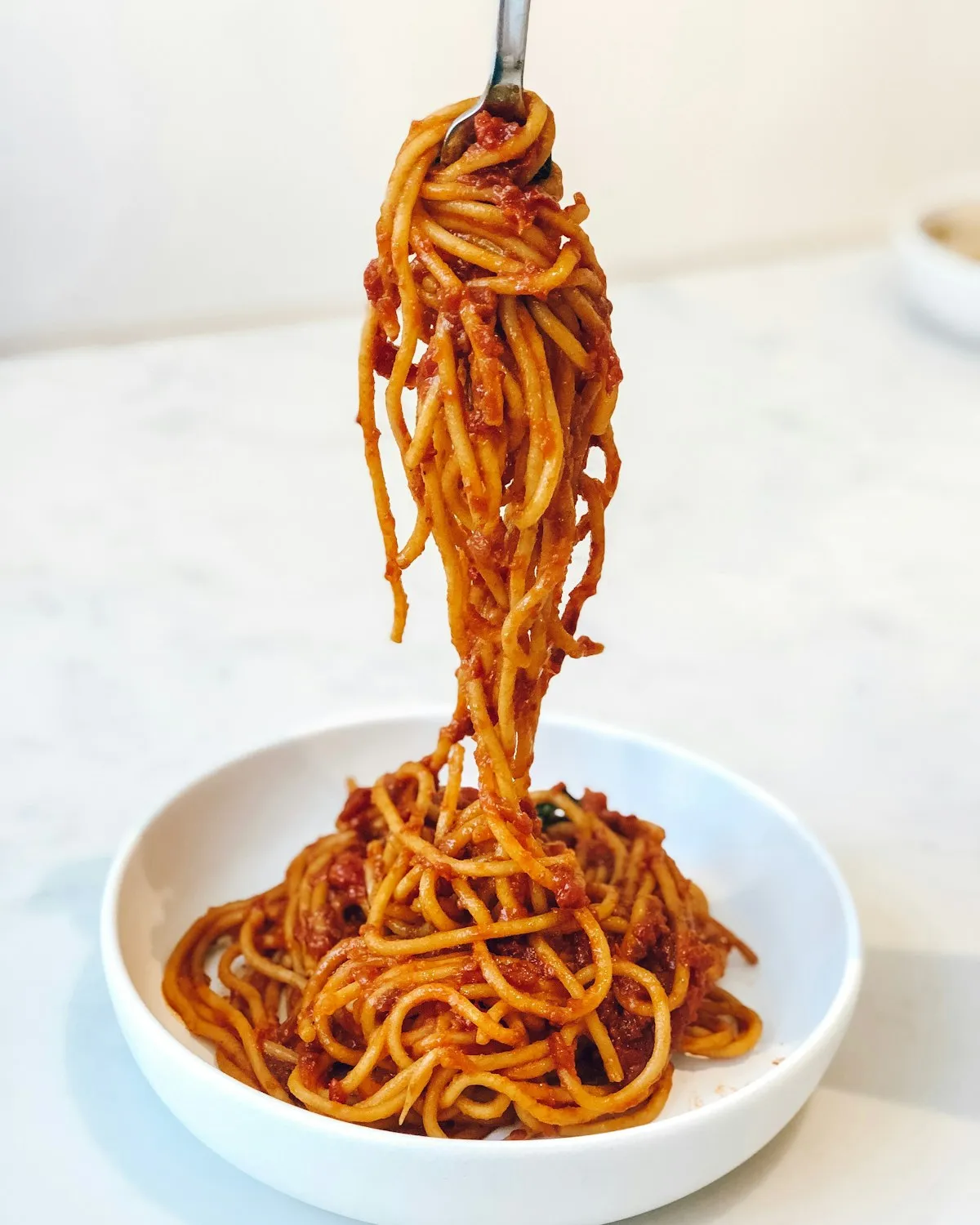
When you boil a standard pasta like linguine, as we do in our one-pan creamy garlic parmesan pasta, the water has to penetrate a thicker structure over a longer period. That takes sustained heat and active boiling. Couscous plays a different game. Its tiny size means you are not really “cooking” it in the dramatic bubbling sense. You are hydrating it with precision.
The simplest version of that science is water migration. The nerdier version is thermodynamics doing you a favor for once. The second hot broth hits dry couscous, heat energy begins moving from the liquid into the pasta while water begins moving into the dry starch structure. Dry couscous wants equilibrium. The hot liquid is abundant, the couscous is thirsty, and physics says, “Well, this seems easy.”
That speed matters. Because each piece is so small, the distance from surface to center is tiny. Heat doesn’t have far to travel, and neither does moisture. This is why couscous can finish with residual heat while larger grains still sit there acting stubborn. Rice and farro need more time because their internal structure is denser and the path inward is longer. Couscous is the weeknight overachiever.
Now for the part people mess up: more heat is not always more useful. Once your liquid is boiling and the couscous goes in, keeping the burner blasting can push the exterior too far, too fast. The outside starch loosens, swells, and starts getting sticky before the center has balanced out. That is how you get a gummy layer outside and uneven texture inside. In other words, the pan has enthusiasm, but no discipline.
Kill the heat on time. This is non-negotiable. Use the boil only to charge the system with energy. Then stop. The retained heat in the liquid and pan is enough to finish the job. Think of it like charging a phone to 100 percent and then unplugging it instead of trying to power it with a flamethrower.
Use a heavy-bottomed pot. This is another non-negotiable for the one-pot method. A heavy pot acts as a thermal battery. It stores heat and releases it gradually after the burner is off, which gives the couscous a steadier finish. Thin pans lose heat too quickly and create more temperature swings. Temperature swings are annoying in life and worse in dinner.
Respect steam as a transport system. Steam is not just hot air with ambition. It carries a huge amount of latent heat. When steam hits the cooler couscous and lid, it condenses, releasing energy efficiently and helping moisture distribute through the pot. That is why a covered rest works so well. You are trapping both heat and water in a closed little weather system over your food.
Bloom your aromatics first. Before any liquid touches the pan, sauté your aromatics and spices in olive oil. This is not restaurant nonsense. Many Mediterranean flavor compounds are fat-soluble, which means oil grabs and spreads them better than water does. If you dump spices straight into broth, the flavor can taste flatter and less integrated. Blooming wakes them up.
Salt the liquid, not just the finished bowl. Couscous absorbs what surrounds it. If the broth tastes dull, the couscous will taste dull all the way through. Surface seasoning added later cannot fully fix under-seasoned interiors. Season the liquid like it matters, because it does.
There is also a texture bonus to olive oil in this setup. A little fat coats the granules, reducing aggressive clumping and helping the grains stay more distinct after hydration. It is not magic. It is lubrication. Sometimes kitchen wisdom is just engineering wearing an apron.
Texture, Steam, and the Art of the Rest
The most critical part of the couscous strategy is the rest. This is where the dish stops looking fast and starts tasting smart. Once you’ve stirred the couscous into boiling, aromatic broth, put the lid on and walk away. Seriously. Do not hover over it like an anxious intern.
Don’t peek. Every time you lift the lid, you vent steam, drop temperature, and interrupt hydration. This matters because steam-cooking grains is really a game of controlled containment. Inside the pot, hot vapor circulates, condenses, and transfers energy back into the food. Break that loop, and you slow everything down. Tiny grains recover better than big ones, but even couscous has limits.
The five-minute covered rest works because the system is small and efficient. The broth is hot, the couscous pieces are tiny, and the lid traps moisture that would otherwise escape. In thermodynamic terms, you have enough stored heat in the pot and liquid to finish cooking without additional burner input. In weeknight terms, the stove is off but dinner is still getting things done.
Use the right lid. A loose lid means more evaporative loss. A snug lid means better retention of heat and moisture. If your lid rattles around like it has somewhere better to be, cover the pot tightly with foil first and then place the lid on top. It is not glamorous, but neither is crunchy couscous.
Fluff with a fork, never a spoon. Once the rest is over, the couscous may look like one solid mass. Don’t panic. That is normal. Use a fork to rake and lift gently. A fork separates the hydrated granules with minimal compression. A spoon presses them together and turns fluffy grains into paste. Choose the fork. Your future self deserves better.
Let carryover heat finish delicate add-ins. This is one of the sneakiest advantages of couscous. Residual steam can warm or lightly cook quick ingredients without hammering them. Delicate vegetables stay brighter. Quick proteins stay juicier. Herbs keep more aroma. This is why couscous belongs in the conversation with quick family meals that still feel thought through.
Texture is not only about softness. It is about contrast and moisture balance. Fold in ingredients that snap, crumble, or pop. Tomatoes bring juicy acidity. Feta adds creamy saltiness. Toasted nuts bring crunch and aromatic depth. Fresh herbs add lift. Each one changes how your mouth reads the couscous. Soft plus bright plus crunchy is how a humble bowl starts feeling restaurant-adjacent.
There is a nutrition bonus hiding in that texture strategy too. Mediterranean ingredients are not just there to look pretty and make you feel organized. Tomatoes contribute vitamin C and carotenoids. Olive oil improves the absorption of fat-soluble compounds. Herbs bring polyphenols. Legumes add fiber and minerals. Feta or yogurt can contribute calcium and savory depth. This is the kind of ingredient teamwork that makes healthy dinner ideas feel less like homework and more like dinner you actually want.
The broader Mediterranean angle works so well here because the ingredients fill different nutritional and sensory jobs at the same time. Olive oil carries flavor and helps with absorption. Lemon adds brightness while balancing richness. Chickpeas add protein and fiber. Tomatoes contribute acidity and sweetness. Herbs sharpen everything without extra heaviness. The bowl ends up feeling complete because it is complete.
Flavor Variations: Balancing the Mediterranean Palate
The beauty of the Mediterranean strategy is its versatility. Once you understand the hydration method, you can pivot the bowl in several directions without breaking the science.
The Acid-Rich Balance: If the couscous tastes flat or a little heavy, add acidity. Lemon juice, preserved lemon, or a splash of vinegar cuts through olive oil richness and sharpens the earthy notes from spices and legumes. Acid also changes how your palate reads salt, making the whole dish taste more alive without needing a heavy hand. Use this when the bowl feels sleepy.
The Herb-Forward Version: Go aggressive with parsley, mint, dill, or basil. Fresh herbs do more than add color. Their volatile aromatic compounds hit your nose first, which makes the dish taste brighter before it even reaches your tongue. Add them at the end so heat does not bully all that freshness into submission.
The Protein Pivot: If you want the bowl to eat more like a full dinner, use quick-cooking proteins that cooperate with residual steam. Shrimp works especially well because it cooks fast and stays tender when not blasted with direct heat. Thin strips of chicken can work too if cut small enough to cook through safely during the covered rest. The principle is simple: use steam as a gentle finisher, not a punishment device.
The Plant-Based Power Move: Swap dairy-based richness for chickpeas, white beans, or lentils. This boosts fiber, minerals, and satiety without making the dish heavy. Legumes also pair beautifully with lemon and olive oil, which help the bowl feel bright rather than dense. If you want a bolder twist, fold in harissa for heat and smoky depth.
The Briny Mediterranean Angle: Add olives, capers, or a little preserved citrus when the dish needs more edge. These ingredients bring salinity, bitterness, and acidity all at once, which creates balance against the soft, neutral couscous base. Use them with restraint. You want a clever accent, not a salt ambush.
That flexibility is exactly why this style belongs in the rotation for healthy dinner ideas. The base stays easy, and the personality changes with what you have on hand.
Side Dish Pairings for a Complete Table
Even though this is a one-pot hero, a few smart additions can make the whole plate feel more balanced rather than just more crowded.
- Charred Crusty Bread: Use a slice of toasted sourdough to soak up olive oil, lemon, and all the flavorful bits at the bottom of the bowl. The crisp exterior gives you contrast against the soft couscous, which is exactly what the meal wants.
- Simple Arugula Salad: Pair the warm couscous with something peppery and sharp. Arugula with a tart dressing cuts richness and refreshes your palate between bites. Bitter greens are great at keeping a meal from feeling too soft, too warm, or too beige. Beige needs supervision.
- Whipped Yogurt Dip: Add a cool yogurt side when the couscous leans spicy or heavily spiced. The dairy softens heat, adds tang, and contributes creamy contrast without overwhelming the bowl.
- Cucumber-Tomato Salad: If you want more Mediterranean freshness, use a chilled salad with lots of acid and crunch. It mirrors the flavors in the couscous while giving the plate a colder, crisper counterpoint.
This is also why couscous fits so neatly into quick family meals. The main dish comes together fast, and the sides can be simple but strategic: something crunchy, something acidic, something cool. That is balance, not overthinking.
FAQ & Troubleshooting Guide
Why is my couscous crunchy?
If the grains are still firm, you likely had one of three problems: not enough liquid, too much heat loss, or not enough resting time. Check your ratio and your lid. Standard couscous usually needs about equal parts liquid and grain, but pan shape matters. A wide pan loses more moisture before the lid goes on. If your kitchen setup runs hot and fast, add a touch more liquid next time and keep the pot covered the whole rest period.
What if it turns into a gummy clump?
That usually means the exterior starch got overworked. Avoid extra boiling and extra stirring. Couscous is not risotto. It does not want constant attention. Once the grains are submerged, stop fussing. If it already clumped, spread it out briefly so excess steam can escape, then fluff gently with a fork.
Can I use Israeli, pearl, or whole wheat couscous the same way?
Not exactly. Do not assume all couscous behaves the same. Pearl couscous is larger and needs active simmering because heat and water need more time to move to the center. Whole wheat couscous can also need slightly different hydration because the bran changes absorption and texture. Read the package, then use common sense.
Why does the pot seem done before the couscous feels done?
Because burner heat and food heat are not the same thing. Trust carryover heat, but only if you trapped it well. The liquid may stop bubbling, yet the system still contains enough stored thermal energy to finish hydration. If the pot was thin, uncovered, or underfilled, that stored heat may not be enough. That is why pot choice matters more here than people think.
Why is the flavor bland even when I added toppings?
Because couscous absorbs its seasoning from the inside out. Season the liquid first. Toppings can help, but they cannot fully rescue an under-seasoned base. Also check your acid balance. A bowl can be salty enough and still taste flat if it lacks lemon, vinegar, or a briny accent.
Can I make this ahead?
Yes, but couscous dries out as moisture redistributes during storage. Rehydrate gently when reheating. Add a small splash of water or broth, cover loosely, and warm it just enough to loosen the grains. Too much microwave time turns fluffy couscous into a warm paperweight.
Why does olive oil make such a difference?
Because it does two useful jobs at once. Use it strategically. It carries fat-soluble flavor molecules from spices and herbs, and it lightly coats the couscous so the grains separate more easily after hydration. Flavor and texture in one move. Respect efficiency.
Is this one of those healthy dinner ideas that tastes healthy in a bad way?
No, and I say that with love. Mediterranean ingredients work because they bring actual sensory balance: richness from olive oil, freshness from herbs, acidity from lemon and tomatoes, salt from feta or olives, and fiber from legumes or vegetables. The bowl tastes complete, not virtuous.
The Troubleshooting Guide
| Problem | Scientific Cause | The Fix |
|---|---|---|
| Soggy/Mushy | Starch breakdown from over-boiling. | Turn off the heat the second the grain is submerged. |
| Uneven Cooking | Steam escaping or uneven heat distribution. | Use a heavy lid and a heavy-bottomed pot. No peeking! |
| Dry/Clumpy | Lack of lubrication or low surface moisture. | Increase olive oil in the blooming stage or add 5% more liquid. |
| Metallic/Flat Taste | Lack of acidity to balance the fats. | Add a squeeze of fresh lemon or a teaspoon of red wine vinegar at the end. |
Dinner doesn't have to be a chore. Once you understand how rapid hydration, residual heat, and trapped steam work together, couscous stops being a backup plan and starts looking like a strategy. Add in the Mediterranean habit of layering acidity, herbs, olive oil, and nutrient-dense staples, and you get a bowl that is fast, balanced, and wildly more interesting than it has any right to be on a Tuesday. This is exactly the kind of practical kitchen logic that makes quick family meals feel less frantic and more intentional. Now get that pot on the stove; physics is waiting.