Recipe
Servings
4 servings 1×
Serves 4Prep 5 minCook 7 minTotal 12 min
Nutrition per serving
Ingredients
- 1 lb spaghetti or linguine
- 1/2 cup basil pesto freshly made or high-quality store-bought
- 1 lemon zested and juiced
- 1/4 cup parmesan cheese grated
- 1/2 cup pasta water the secret ingredient
Method
- Cook pasta in heavily salted water until al dente.
- Just before draining, ladle out 1 cup of the starchy pasta water.
- Drain pasta and return to the warm pot (heat turned off).
- Add pesto, lemon zest, and half of the pasta water.
- Stir vigorously, adding more pasta water a tablespoon at a time, until the sauce is glossy and clings to the noodles.
- Add a squeeze of fresh lemon juice and top with parmesan.
- Serve immediately to prevent browning.
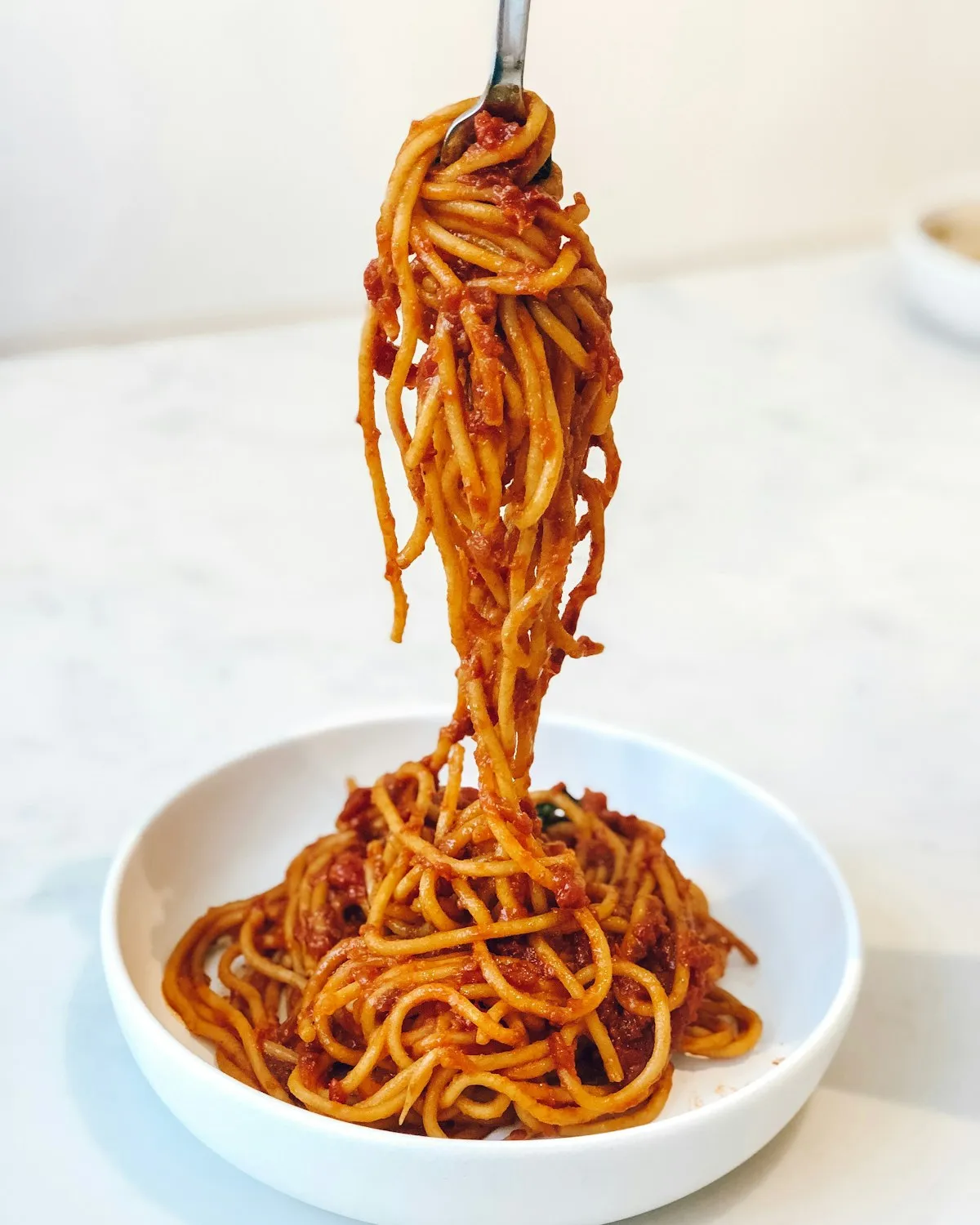
There is a specific kind of panic that sets in at 6:00 PM on a Tuesday. You’re hungry, the fridge is looking uninspired, and the temptation to order takeout is hovering like a dark cloud. But what if I told you that in less time than it takes for a delivery driver to find your driveway, you could be sitting down to a bowl of vibrant, zingy, and soul-satisfying pasta? I’m talking about a Simple Lemon Basil Pesto Pasta that feels like a summer breeze in a bowl. This is the ultimate addition to your rotation of quick family meals, proving that you don’t need hours over a stove to achieve “real food” status. We’re stripping away the complexity and focusing on high-impact flavor profiles that make home cooking accessible for even the most time-crunched pro.
The Molecular Magic: Basil Enzymes, Pine Nut Fats, and a Proper Emulsion
Let’s get nerdy for a second, because this dish looks carefree right up until your pesto turns dark, greasy, or weirdly flat. Pesto is not just “green sauce.” It’s a cold emulsion made of water, oil, plant solids, cheese, and finely broken nuts. When it works, it tastes bright and creamy without feeling heavy. When it fails, it looks like salad dressing that lost the will to live.
Start with basil, because it is both the star and the troublemaker. Basil’s vivid color comes from chlorophyll sitting safely inside plant cells. The moment you chop, crush, or blitz those leaves, you damage the cells and expose their contents to oxygen. That is where polyphenol oxidase enters the chat. This enzyme reacts with phenolic compounds in the basil and helps trigger enzymatic browning. In plain English: once basil is bruised, it starts the slow march from glorious emerald to tired swamp.
That browning speeds up when you add heat, extra oxygen, or too much mechanical force. A food processor is handy, but it is not gentle. Its blades tear through the leaves, incorporate air, and warm the mixture if you run it too long. That’s why pesto can darken before it even meets the pasta. Use short pulses. Stop early. Scrape down the bowl. Keep your ingredients cool. You are not making basil soup. You are trying to preserve delicate aromatic compounds and keep polyphenol oxidase from having the best day of its life.
Acid helps, but not like magic in a movie. Lemon juice lowers the pH, which can slow enzyme activity and brighten flavor, but it is not a complete anti-browning shield. Think of it as a speed bump, not a brick wall. This is also why timing matters. Add some lemon to support freshness, but do not assume a giant squeeze will fix overheated basil. It won’t. If the leaves got cooked or overworked, the damage is already done.
Now let’s talk lemon zest, because zest is pulling more weight than juice in a sauce like this. The outer peel contains fragrant essential oils, especially limonene, that dissolve happily into olive oil and the natural fats from the nuts. That means zest doesn’t just make the sauce sourer; it makes the whole thing smell brighter and taste more alive. Juice gives sharpness. Zest gives perfume. Use both, but understand the assignment.
Pine nuts deserve their own spotlight too. They are not just there because tradition said so and nobody argued. Pine nuts have a naturally buttery texture because of their lipid profile. They are rich in unsaturated fats, which stay soft at room temperature and blend easily into a smooth paste. That matters for emulsion. Softer fats disperse more readily through the mixture, helping the pesto feel creamy instead of gritty or stiff. Compared with some other nuts, pine nuts also have a relatively mild flavor, so they support basil rather than trying to become the headline act.
Here’s the practical takeaway: pine nuts are excellent at building body without making the pesto taste aggressively nutty. Their fats combine with olive oil to create that plush mouthfeel people love, while their fine solids help thicken the sauce. If you process them too hard, though, they release excess oil and push the mixture toward separation. So yes, pine nuts are luxurious, but they are still subject to consequences. Pulse them. Don’t annihilate them.
And that brings us to the emulsion itself. Oil and water do not naturally want to hang out. Pesto only works because tiny particles from basil, nuts, and cheese help hold everything together long enough to create a unified sauce. Grated hard cheese contributes protein and fine solids. Basil contributes plant fibers and moisture. Pine nuts contribute fats plus microscopic solids. Olive oil brings richness. But the thing that often makes it all click is pasta water.
As pasta boils, starch escapes into the water. That cloudy water is kitchen gold. When you stir it into pesto, the starch helps the fat disperse more evenly and gives the sauce a glossy, clingy texture. Add a little at a time and stir hard. Watch what happens: the pesto loosens, the oil stops sitting around in slick little pools, and the sauce starts coating the pasta instead of sliding off like it’s late for another appointment.
Temperature is the other non-negotiable. Never cook pesto over aggressive heat. Warm pasta is enough. If you toss basil pesto into a screaming-hot pan, you accelerate enzymatic damage, mute the fresh aromatics, and dull the color. Residual heat is your friend. It softens the cheese, relaxes the fats, and helps the starch do its job without frying the life out of the herbs.
Texture also depends on restraint. A good pesto should have some fine grain to it. Totally smooth pesto can feel oily because there’s less visible structure, while overly chunky pesto won’t coat evenly. Aim for the middle. Let the nuts and basil stay just textured enough to help the emulsion hold. That slight body is not a flaw. It is the architecture.
Cheese plays backup singer but deserves applause. Finely grated Parmesan or a similar hard cheese adds salt, umami, and protein-rich particles that reinforce the creamy texture without turning the sauce heavy. This is one reason pesto can still sit comfortably in the world of healthy dinner ideas. It tastes indulgent because the structure is smart, not because you hid a pint of cream in it and hoped nobody noticed.
One last thing: if your pesto seems dull, don’t automatically add more oil. Check salt first. Then check acidity. Then check aroma. Often the missing piece is lemon zest or fresher basil, not more fat. More oil can make the sauce slicker without making it better, which is a very annoying kind of disappointment.
Once you understand the science, the recipe gets easier, not harder. Control basil browning by limiting heat and oxygen. Use pine nuts for their soft, unsaturated fats and mellow body. Add lemon zest for aromatic lift. Use pasta water to tighten the emulsion. That’s how you get a pesto that tastes fresh instead of tired. Check out our guide on the starch emulsion secret for a deeper dive into this culinary sorcery.
Flavor Riffs and Smart Swaps That Still Behave
One of the reasons this recipe works so well in a real kitchen is that the structure is flexible, even when dinner feels chaotic. That makes it a strong candidate for quick family meals, because you can change the supporting cast without wrecking the sauce.
If pine nuts are not in the budget, use walnuts or almonds. Just remember that those swaps change more than flavor. Walnuts bring deeper, slightly bitter notes and a firmer texture. Almonds are milder but can feel drier. Pine nuts are naturally softer because of their fat profile, so when you replace them, the pesto may need a little more pasta water to regain that same easy creaminess. Adjust with patience, not panic.
If basil is expensive or looking tired, stretch it with spinach or arugula. Spinach softens the flavor and keeps the sauce green without stealing the show. Arugula adds peppery bite, which works beautifully with lemon. Just don’t replace all the basil unless you’re happy with a different sauce entirely. Basil has its own sweet, clove-like aroma, and that signature matters.
For extra protein, grilled chicken, shrimp, or salmon all fit naturally. Salmon is especially useful because the lemony pesto cuts through the fish’s richness instead of piling more heaviness on top. If you want to keep it plant-based, use white beans or crisp chickpeas. Beans make the meal more filling without interrupting the creamy texture, while chickpeas add crunch and contrast.
You can also change the pasta shape. Long noodles give you that silky, restaurant-style coating, but short ridged pasta catches thicker pesto exceptionally well. If you go with zoodles or another vegetable noodle, be stricter about moisture. They release water quickly, and extra water is only helpful when it contains starch. Plain vegetable liquid just dilutes the sauce and leaves you with green sadness.
If you want heat, use chili flakes lightly. A little warmth sharpens the lemon and keeps the nut-cheese base from feeling too rich. Too much, and the basil disappears into the background. That’s not balance. That’s bullying.
Balancing the Plate: Pairings That Cut, Crunch, and Wake Things Up
Because pesto is naturally rich, thanks to olive oil, cheese, and nuts, your side dishes need to do contrast work. Bring acid. Bring crunch. Bring a little bitterness or char. Don’t bring another creamy carb and expect the table to stay balanced.
A peppery arugula salad is the easy win. Use a sharp vinaigrette, not a sweet, sleepy dressing. Acidity slices through the richness of the pasta and resets your palate so the lemon-basil notes keep tasting bright instead of fading into background mush. Radishes, shaved fennel, or cucumber also work beautifully because they add water-rich crunch against the dense, clingy sauce.
For vegetables, think roasted or air-fried rather than steamed. Broccoli, asparagus, or green beans with a little blistered color give you bitterness and caramelized edges, which keeps the meal from feeling one-note. If you like browsing air fryer recipes dinner ideas for weeknights, this is exactly the kind of meal where the appliance earns its counter space. Fast char, minimal fuss, no oven preheat tantrum.
A simple tomato side also works, especially when tomatoes are sweet and properly ripe. Their acidity echoes the lemon while their juiciness lightens the overall plate. Avoid garlic bread unless you’re fully committed to delicious excess, because pasta plus rich bread plus pesto can tip from satisfying to nap-required in record time.
Keep the side dish sharp and fresh. Let the pasta be the rich one at the party. You can find more inspiration in our quick meals category if you’re looking to build a full feast.
Frequently Asked Questions (FAQ)
Why did my pesto turn brown almost immediately?
Because polyphenol oxidase got to work. Once basil is cut or blended, that enzyme reacts with exposed phenolic compounds and oxygen. Heat and overprocessing make it worse. Pulse instead of blending nonstop, keep ingredients cool, and toss the pesto with pasta off the heat. If you treat basil like a leafy action hero, it will not reward you.
What if my pesto tastes flat even though I added lemon juice?
You probably need zest, salt, or fresher basil. Lemon juice adds acidity, but zest carries the volatile oils that make lemon smell bright and taste more complete. Flat pesto is often missing aroma rather than sourness. Fix the fragrance before you start dumping in more liquid.
Can I make this nut-free?
Yes, but the texture changes. Pine nuts do important structural work because their fats and fine solids help create a smoother emulsion. Sunflower seeds are a decent substitute because they still offer body. If you skip nuts entirely, expect a lighter, less plush sauce and be extra careful with your pasta water.
My sauce is oily and won’t stick to the pasta. What happened?
The emulsion broke, or never formed. Usually that means too much oil, not enough starchy pasta water, or weak mixing. Add a little hot pasta water and stir vigorously. Then stop and reassess. More oil is almost never the rescue move people think it is.
Why are pine nuts better here than some other nuts?
It comes down partly to their lipid profile. Pine nuts are rich in soft unsaturated fats, so they blend into a smooth paste more easily than drier, firmer nuts. They also taste mild and buttery, which lets basil and lemon stay in front. Walnuts and almonds work, but they shift both flavor and texture.
What if I used bottled lemon juice?
It’ll add acid, but not the same aromatic freshness. Many of the bright-smelling compounds in fresh lemon fade over time, which is why bottled juice can taste one-note. If that’s what you have, use it carefully and lean on fresh zest if you can.
Can I make the pesto ahead without ruining the color?
Yes, with limits. Store it cold, reduce air exposure, and cover the surface with a thin layer of olive oil. That slows oxidation, but it does not stop it forever. Basil is enzyme-rich and highly perishable, so a little color change is normal even when you do things right.
Is this actually one of those realistic healthy dinner ideas, or are we pretending?
No pretending. It can absolutely live in the world of healthy dinner ideas if you keep portions sensible and pair it with vegetables or a sharp salad. The richness comes from fats that also carry flavor well, so you often need less sauce than you think.
What if I want to serve this for a busier weeknight?
Then keep the process tight. Make the pesto while the pasta cooks, reserve the pasta water before draining, and mix everything in one big bowl. That keeps it firmly in the camp of quick family meals without turning dinner into a three-pan event.
For more tips on keeping your kitchen efficient and your meals soulful, explore our full gallery of recipes. We’re here to make sure every dinner you cook is a win, regardless of how much time you have. Now, go grab that basil and get cooking!