Recipe
Servings
Servings 1×
Ingredients
- Chicken
- Salmon
- Shrimp
- Chickpeas
- Pasta
- Noodles
- Spinach
- Kale
- Peas
- Tomatoes
- Lemon
- Pesto
- Hard cheese
- Cooking oil
Method
- Prepare the ingredients described in the article and heat the cooking surface or oven as directed.
- Cook the main ingredients using the heat and timing guidance in the article.
- Finish with the seasonings and garnishes named in the article, then serve.
There is a specific kind of magic that happens when you realize you don’t have to boil a massive vat of water just to get a decent bowl of pasta. You know the drill: the waiting, the steaming up of the kitchen, and that heavy colander dance over the sink. I’m here to tell you that you’ve been working too hard. My one-pot creamy pesto pasta with peas is the ultimate "low-effort, high-reward" move for your rotation of quick family meals. It’s the kitchen equivalent of finding a twenty-dollar bill in your old jeans: unexpected, delightful, and immediately satisfying. We’re leaning into the sheer efficiency of starch management to create a sauce that tastes like it took a culinary degree to master, but actually just requires you to stay near the stove for about twelve minutes.
The Science of the Starch-Fat Marriage
To understand why this method works, you have to look at the chemistry of your cooking water. When you cook pasta in a traditional way, you’re essentially throwing away your best ingredient: the liquid gold. In a one-pot scenario, the pasta releases its starch directly into a limited amount of liquid. As the water evaporates, that starch becomes highly concentrated. Think of it as a natural thickening agent that acts as a bridge between the water and the fats (the olive oil and cheese in your pesto).
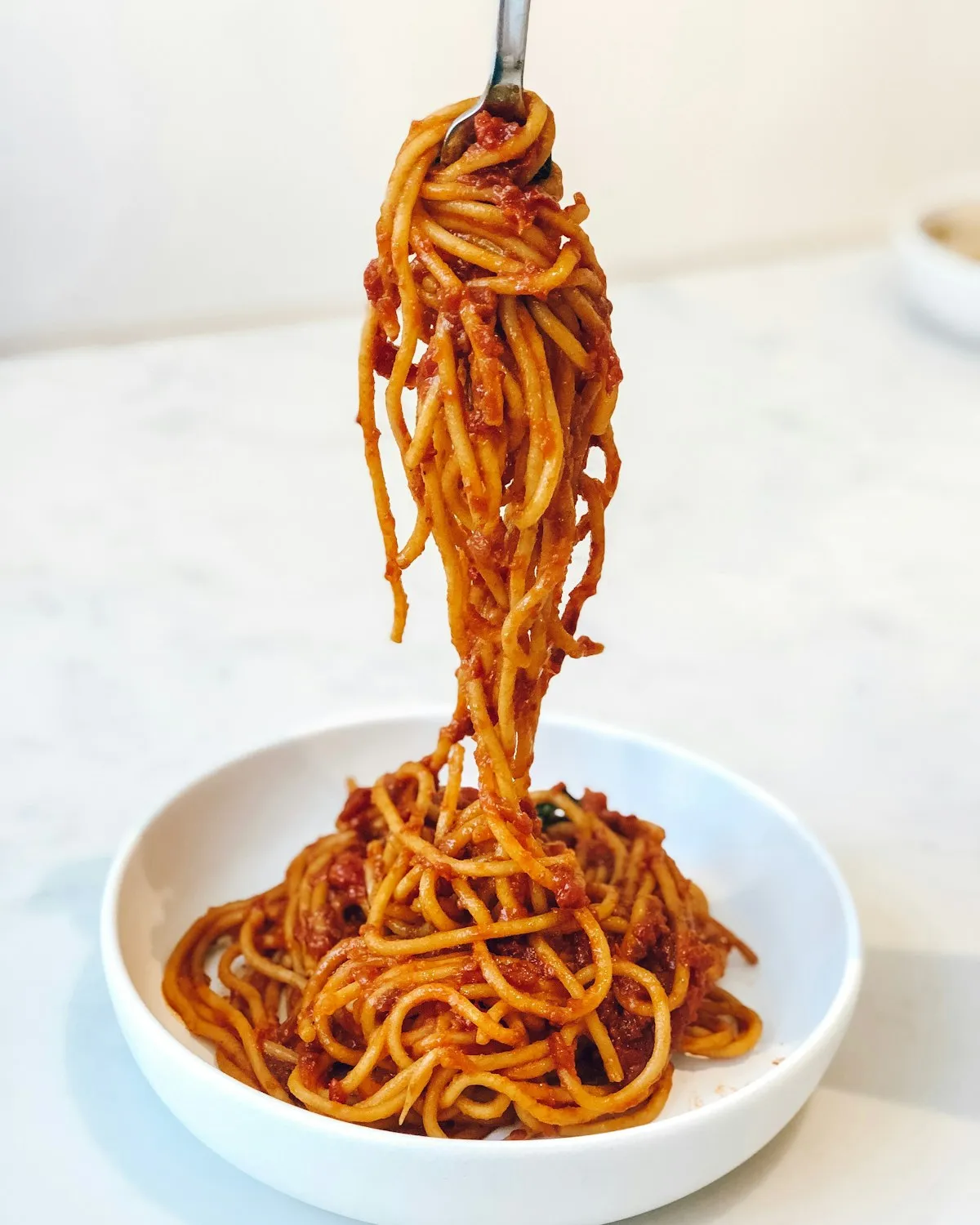
This process is called emulsification. Without that starch, your pesto would just slide off the noodles and pool in an oily mess at the bottom of the bowl. By keeping the starch in the pan, you’re creating a "velouté-adjacent" base that grips the pasta. Check your liquid levels frequently; you want just enough to keep the pasta submerged, but not so much that it’s drowning. If you’ve ever tried our Spicy Tomato Basil One-Pot Linguine, you know that the "glossy sauce" finish is entirely dependent on this starch-to-liquid ratio.
The second scientific hurdle is the pesto itself. Basil is incredibly sensitive to heat and oxygen. If you boil your pesto along with the pasta, the heat will break down the chlorophyll and the delicate aromatic oils, turning your vibrant green dinner into a dull, muddy brown that tastes more like cooked hay than fresh herbs. This is why you must treat pesto as a "finishing" element. Add it only after the heat is off. The residual heat from the pasta is more than enough to melt the cheese within the pesto and release the aromas without killing the flavor. This technique ensures your healthy dinner ideas actually look appetizing when they hit the table.
Flavor Variations and Balance
While the classic basil and pea combination is a powerhouse, the beauty of this technique lies in its versatility. You can easily pivot this into a Mediterranean-inspired dish by swapping the traditional green pesto for a sun-dried tomato variant. The acidity of the sun-dried tomatoes cuts through the creaminess of the starch-bound sauce, providing a sharper profile. If you’re looking to boost the protein, consider folding in some flaked salmon or even some air-fried shrimp. In fact, if you’re already looking into air fryer recipes dinner enthusiasts love, using the air fryer to quickly roast some seasoned chickpeas or chicken strips while the pasta simmers is a pro move for adding texture.
For those who want more "bite," consider the greens. Peas provide a sweetness that balances the saltiness of the Parmesan, but baby spinach or thinly sliced kale can add an earthy depth. The key is timing: sturdier greens like kale need a few minutes in the simmering liquid, while delicate herbs and spinach should only be tossed in at the very end with the pesto. Always think about balance: if your sauce feels too heavy, a squeeze of fresh lemon juice right before serving will brighten the entire dish and prevent it from feeling one-dimensional.
Side Dish Pairings for a Complete Meal
Because this pasta is rich and creamy, your side dishes should focus on high-impact acidity and crunch. You want something that acts as a palate cleanser between bites of that silky pesto sauce. A simple arugula salad with shaved Parmesan and a sharp lemon vinaigrette is my go-to. The peppery bite of the arugula cuts right through the fat of the pesto.
If you want something warmer, roasted vegetables are a stellar companion. Think about colors that contrast with the green: roasted red peppers or even honey-glazed carrots provide a visual and textural counterpoint. For a truly abundant spread, you could take inspiration from our celebratory meal guides, combining the ease of the one-pot pasta with a few small, vibrant plates like a fresh fig salad or roasted sweet potatoes. This turns a simple weeknight dinner into something that feels like a weekend feast without the extra cleanup.
Frequently Asked Questions
Why is my one-pot pasta gummy instead of creamy?
Gumminess usually happens if you use too little liquid or if the heat is too high, causing the starch to "clump" rather than emulsify. Think of it like making a roux; you need a smooth transition. If the liquid evaporates too fast, the pasta starts to stick together. Use a wide, shallow pan to allow for even evaporation and stir frequently to keep the starch moving.
Can I use gluten-free pasta for this?
You can, but proceed with caution. Gluten-free pastas (especially those made from rice or corn) often release a different type of starch that can break down more quickly, leading to a "mushy" texture. Check the pasta frequently and consider adding the peas slightly earlier to ensure they’re cooked before the pasta loses its structural integrity.
How do I prevent the pesto from turning brown in leftovers?
The enemy of pesto is oxygen. If you’re storing leftovers, press a piece of plastic wrap directly onto the surface of the pasta to eliminate any air gaps. When reheating, avoid the microwave if possible. Instead, splash a little water or milk into a pan, add the pasta, and warm it gently over low heat just until it’s loose again.
What if my sauce is too thin once I add the pesto?
Don't panic. If the sauce looks a bit watery, let it sit for two minutes off the heat. The starch will continue to set as it cools slightly. If it's still too thin, a handful of extra grated Parmesan cheese acts as a fantastic binder to thicken things up instantly.
Can I use frozen peas instead of fresh?
Absolutely. In fact, I prefer them. Frozen peas are usually flash-frozen at their peak, meaning they often have a better snap and sweeter flavor than "fresh" peas that have been sitting in a grocery store bin for three days. Just toss them in during the last two minutes of cooking so they heated through without losing their bright green color.
{“@type”:”BlogPosting”,”image”:[“https://api.gandalf.run/render/image-prompt-a-rustic-bowl-filled-with-creamy-pesto-pasta-and-bright-green-peas-the-pasta-is-coated-in-a-glossy-vibrant-green-sauce-with-visible-flecks-of-basil-and-parmesan-soft-natural-morning-light-from-a-side-window-highlights-the-texture-of-the-sauce-and-the-steam-rising-from-the-dish-simple-wooden-table-background-with-a-linen-napkin-warm-inviting-tones-high-quality-food-photography?aspectRatio=16%3A9″],”author”:{“name”:”Cookpedia”,”@type”:”Organization”},”@context”:”https://schema.org”,”headline”:”One-Pot Creamy Pesto Pasta with Peas”,”publisher”:{“logo”:{“url”:”https://cookpedia.com/logo.png”,”@type”:”ImageObject”},”name”:”Cookpedia”,”@type”:”Organization”},”description”:”Master the science of the one-pot method with this creamy pesto pasta and peas. Learn how to use pasta starch for a perfect emulsion and keep your pesto vibrant and fresh.”,”datePublished”:”2026-05-28″}