Recipe
Servings
Servings 1×
Ingredients
- Pasta
- Noodles
- Cauliflower
- Broccoli
- Onion
- Lemon
- Tahini
- Cheddar
- Cooking oil
Method
- Let’s be honest: there is a specific kind of magic in a bowl of macaroni and cheese that a boxed mix just can’t replicate.
- Use the "back of the spoon" test.
- Combine a sharp cheddar for "bite" with a younger, creamier cheese like Fontina or Monterey Jack for superior meltability.
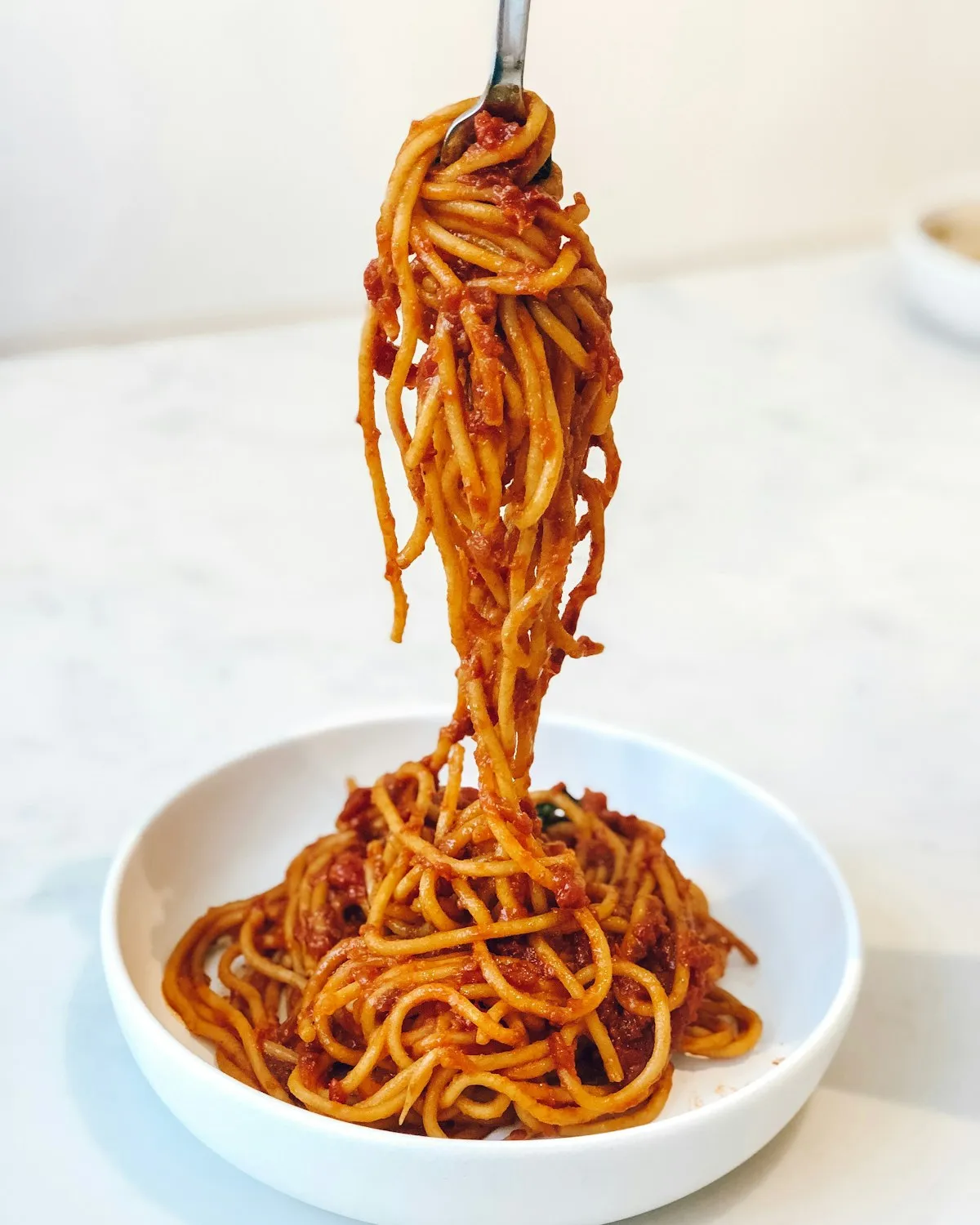
Let’s be honest: there is a specific kind of magic in a bowl of macaroni and cheese that a boxed mix just can’t replicate. You know the feeling, that deep, soul-satisfying creaminess that coats every single noodle perfectly. While it’s tempting to reach for the cardboard box on a Tuesday night, I’m here to tell you that mastering the scratch-made version is easier than you think. It is the gold standard of simple pasta recipes, and once you understand the science of the sauce, you’ll never go back to powdered cheese again.
The Science of the Smooth: Why Your Sauce Matters
The heart of a great mac and cheese isn't actually the cheese, it’s the emulsification. If you’ve ever ended up with a grainy, oily mess, you’ve experienced a "broken" sauce. To avoid this, you have to respect the Roux. A roux is a simple marriage of equal parts fat and flour. When you cook these together, the fat coats the starch molecules in the flour. This is vital because it prevents those starch granules from clumping together when you introduce your liquid.
Think of the starch as a physical barrier. As you whisk in your milk, the starch granules swell and burst, releasing long chains of molecules that thicken the liquid. But more importantly, these starch chains act like tiny bodyguards. They sit between the fat globules in the cheese and the water in the milk, preventing them from separating. Without a properly cooked roux, the heat would cause the proteins in your cheese to tighten up and squeeze out the fat, leaving you with a puddle of oil and a rubbery lump of protein.
Choose your cheese wisely to help this process. While pre-shredded cheese is convenient for quick family meals, avoid it like the plague for this dish. Those bags are packed with anti-caking agents like potato starch or cellulose. These additives are designed to keep the shreds separate in the bag, but in your pot, they prevent the cheese from melting into a cohesive, velvety sauce. Always grate your own block. It takes three extra minutes, but the difference in texture is non-negotiable.
Temperature control is your other secret weapon. Treat your cheese sauce like a delicate relationship, don't overwhelm it with heat. Once your milk and roux have thickened into a beautiful béchamel, turn the heat down to low before adding the cheese. If the sauce is boiling when the cheese hits the pan, the extreme heat will shock the proteins, causing them to curdle. Slow and steady wins the creaminess race every single time.
The Golden Ratio and The Mornay Transition
Transitioning from a basic white sauce (béchamel) to a cheese sauce (Mornay) requires a bit of finesse with your liquid-to-solid ratios. Aim for a medium consistency. If your sauce is too thin, it will slide right off the noodles and pool at the bottom of the bowl. If it’s too thick, it will turn into a heavy paste by the time it reaches the table.
Use the "back of the spoon" test. Dip a metal spoon into your sauce and run your finger through it. If the line stays clean and the sauce doesn't run, you’ve hit the sweet spot. Remember that pasta continues to absorb moisture even after it’s tossed in the sauce. If your sauce looks a tiny bit thinner than you want in the pan, it’s probably perfect. By the time you plate it, the noodles will have sucked up that extra moisture, leaving you with a perfect cling.
Don't forget the power of pasta water. Before you drain your macaroni, scoop out a cup of that cloudy, starchy liquid. This is "liquid gold" for simple pasta recipes. If your final dish looks a little dry or tight, a splash of this starchy water can loosen it back up while helping the sauce adhere to the pasta even better. It’s an emulsification insurance policy.
Flavor Profiles and Creative Variations
Once you’ve mastered the base, the world is your oyster. While a sharp cheddar is the classic choice, don't be afraid to experiment with cheese blends to find your signature flavor. Combine a sharp cheddar for "bite" with a younger, creamier cheese like Fontina or Monterey Jack for superior meltability. If you want something more sophisticated, a touch of Smoked Gouda or Gruyère adds a nutty, complex depth that elevates the dish from a childhood favorite to a grown-up indulgence.
For those looking to integrate healthy dinner ideas into their routine without sacrificing comfort, consider the "Veggie Sneak." Pureed butternut squash or cauliflower can be whisked into the cheese sauce. Not only does this add a boost of vitamins, but it also enhances the golden color and adds a natural sweetness that balances the saltiness of the cheese. Just ensure your puree is ultra-smooth so it doesn't disrupt the velvety texture of the Mornay.
If you prefer a bit of crunch, the transition from stovetop to oven is your best friend. A quick bake with a topping of buttery panko breadcrumbs adds a textural contrast that is hard to beat. Just be careful not to overcook the pasta initially; boil your noodles for two minutes less than the package directions if you plan on finishing the dish in the oven. This ensures they reach perfect al dente during the bake rather than turning into mush.
Perfect Side Dish Pairings
Because macaroni and cheese is inherently rich and fatty, you need side dishes that provide a sharp contrast. Think about acidity and brightness. A simple arugula salad with a lemon-tahini dressing or a classic vinaigrette is the perfect companion. The bitterness of the greens and the zing of the citrus cut right through the heavy cheese sauce, refreshing your palate between every bite.
Roasted vegetables are another fantastic option for quick family meals. Broccoli or Brussels sprouts roasted at high heat until they get those charred, crispy edges provide a nutty bitterness that pairs beautifully with cheddar. If you're feeling adventurous, try a side of quick-pickled red onions or cucumbers. That hit of vinegar is like a reset button for your taste buds, making the next forkful of cheesy pasta taste just as good as the first one.
Frequently Asked Questions
Why did my cheese sauce turn out grainy?
Graininess usually happens for two reasons: using pre-shredded cheese or overheating. The anti-caking agents in bagged cheese don't melt, creating a gritty texture. Additionally, if the sauce gets too hot, the proteins in the cheese "clump" together. To fix this, always grate your own cheese and add it over low, indirect heat.
Can I make this ahead of time?
Yes, but with caution. Macaroni and cheese tends to soak up sauce as it sits. If you're prepping ahead, make the sauce slightly thinner than usual. When you're ready to eat, reheat it gently on the stovetop with an extra splash of milk to bring back that creamy consistency.
How do I fix a sauce that has separated (oily)?
If you see oil pooling at the top, your emulsion has broken. Try whisking in a tablespoon of very hot water or a splash of warm milk very vigorously. The extra liquid and mechanical action can sometimes coax the fats and proteins back into an alliance. If that fails, a tiny bit of mustard powder can act as a natural emulsifier to help bring it back together.
Is there a way to make this part of my healthy dinner ideas?
Absolutely. Swap traditional white pasta for whole-wheat or chickpea-based noodles for extra fiber and protein. You can also reduce the amount of cheese and supplement the creaminess with Greek yogurt or a vegetable puree like cauliflower. It maintains the "comfort" factor while adding nutritional density.
What is the best pasta shape for mac and cheese?
While elbows are the classic choice, any shape with "nooks and crannies" works wonders. Shells, campanelle, or even rotini are excellent because they act like little scoops, trapping the cheese sauce inside and ensuring a high sauce-to-pasta ratio in every mouthful.
How long does it keep in the fridge?
Stored in an airtight container, it will stay fresh for 3 to 5 days. For the best texture when reheating, avoid the microwave if possible. Use a small saucepan over low heat and add a tablespoon of milk to restore the moisture that the pasta absorbed overnight.
For more inspiration on mastering the basics at home, check out our Recipe Database for more simple pasta recipes that will turn your weeknight dinners into something special. Happy cooking!