Recipe
Servings
Servings 1×
Ingredients
- Lentils
- Chickpeas
- Black beans
- Beans
- Quinoa
- Rice
- Bread
- Spinach
- Corn
- Avocado
- Tomatoes
- Onion
- Garlic
- Lemon
- Lime
- Balsamic vinegar
- Tahini
- Hard cheese
Method
- Use large, heavy-for-their-size bell peppers with thick walls.
- Use a combination of pre-cooked brown lentils and rice.
- Place your peppers in a snug baking dish and add roughly a quarter-inch of water or vegetable broth to the bottom of the pan.
- Cover the dish tightly with foil.
- Use a lemon-tahini dressing or a simple balsamic vinaigrette to provide a sharp contrast to the savory lentil filling.
- Use a lower temperature (around 325°F) and consider covering the tops with a small piece of foil for the first half of the cooking time.
Welcome to my kitchen, where we prove every day that plant-based eating isn't just about salads: it’s about hearty, colorful, and deeply satisfying meals. If you’re searching for healthy dinner ideas that don't involve a mountain of dishes or hours at the stove, these lentil and rice stuffed bell peppers are a total game-changer. They are the ultimate "complete meal" in a single edible bowl, combining complex carbohydrates, plant-based protein, and essential vitamins into one beautiful presentation.
The Science of the Perfect Stuff: Tips & Technique
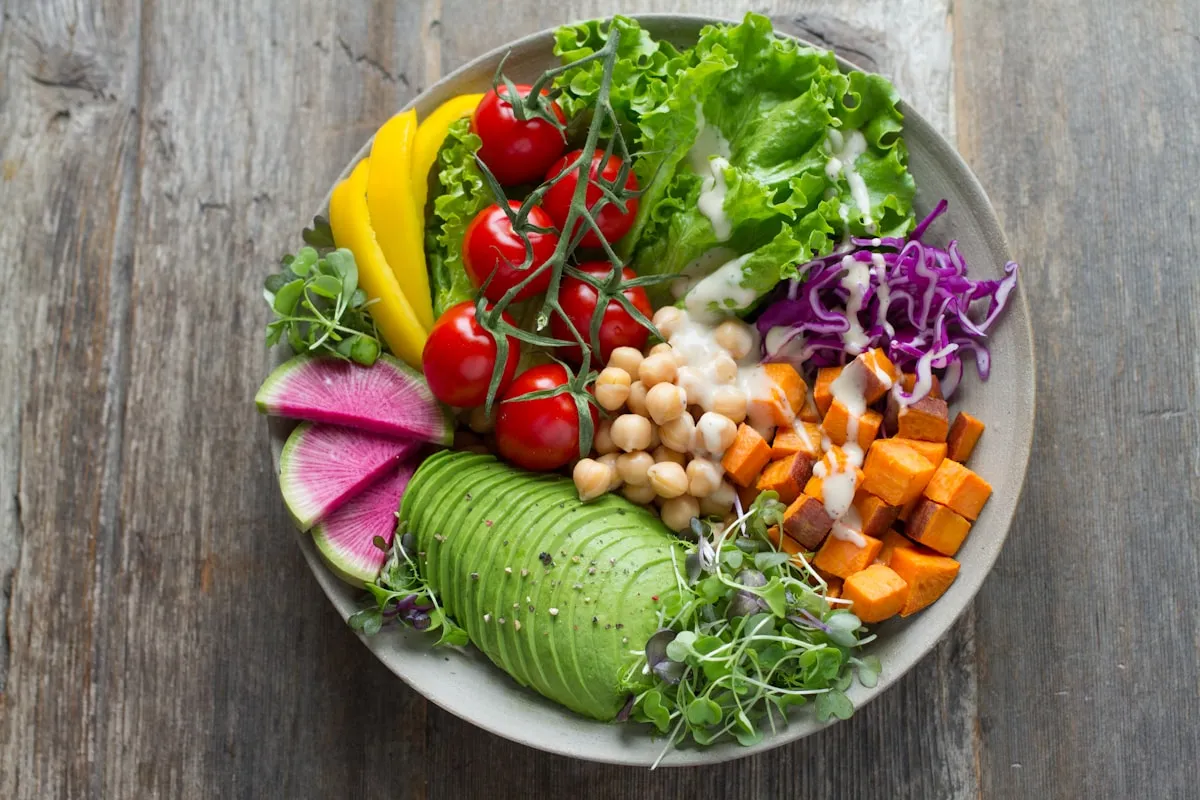
Creating the perfect stuffed pepper is a delicate dance between moisture management and heat control. If you've ever ended up with a mushy pepper or a bone-dry filling, it’s usually because of a breakdown in the science of the bake.
First, choose the right vessel. Use large, heavy-for-their-size bell peppers with thick walls. These peppers contain more pectin and structural cellulose, which allows them to withstand the high heat of the oven without collapsing into a puddle. Red, orange, and yellow peppers are generally sweeter because they have ripened longer on the vine, whereas green peppers offer a more herbaceous, slightly bitter profile that can cut through a very rich filling.
Before you even think about stuffing, you must pre-treat your peppers. Avoid the temptation to stuff raw peppers directly. Instead, blanch them in boiling water for three minutes or pre-roast the empty shells at 375°F for ten minutes. This process begins the breakdown of the tough cell walls, ensuring the pepper is fork-tender at the exact moment the filling is heated through. If you skip this, the filling will dry out long before the pepper is soft enough to eat.
When it comes to the filling, the science of texture is paramount. Use a combination of pre-cooked brown lentils and rice. Unlike red lentils, which disintegrate into a mush when cooked (perfect for a budget-friendly red lentil dahl), green or brown lentils retain their "bite" due to their tougher outer skins. This provides a "meaty" texture that is essential for a satisfying plant-based meal.
Check your moisture levels constantly. Your filling should be moist enough to hold together when pressed with a spoon, but not so wet that it leaks juice into the bottom of the pepper. If your mixture feels dry, add a few tablespoons of vegetable broth or tomato puree. To build a deep, complex flavor profile, sauté your aromatics: onions, garlic, and celery: until the Maillard reaction occurs, turning them golden brown. This browning creates savory compounds that mimic the richness of meat.
Finally, manage the oven environment. Place your peppers in a snug baking dish and add roughly a quarter-inch of water or vegetable broth to the bottom of the pan. Cover the dish tightly with foil. This creates a miniature steam chamber that keeps the peppers moist while they cook. For the final ten minutes of baking, remove the foil to allow any excess moisture to evaporate and to let the tops of the peppers caramelize slightly. This technique is also useful when experimenting with air fryer recipes dinner style, where the concentrated heat can quickly crisp the edges while keeping the interior succulent.
Flavor Variations to Keep Things Fresh
One of the reasons this dish ranks so highly among quick family meals is its sheer versatility. Once you master the base technique, you can pivot the flavor profile to suit whatever you have in your pantry.
- The Mediterranean Twist: Swap the traditional tomato base for a mix of lemon juice, oregano, and chopped kalamata olives. Use chickpeas instead of lentils for a different protein structure and toss in a handful of fresh spinach at the very end. The acidity of the lemon cuts through the earthiness of the grains beautifully.
- The Southwest Sensation: Lean into the flavors of my plant-based lentil tacos by adding cumin, smoked paprika, and a can of black beans to the rice. Corn kernels add a nice "pop" of sweetness that contrasts the smoky spices.
- The Italian Classic: Focus on umami by adding sun-dried tomatoes and plenty of fresh basil to the mix. If you aren't strictly vegan, a topping of parmesan provides a salty, sharp finish. For a purely plant-based version, nutritional yeast offers that same cheesy depth without the dairy.
Perfect Side Dish Pairings
While these peppers are a complete meal on their own, the right side dish can elevate the entire dining experience. The goal is to find a balance between the warm, soft textures of the stuffed pepper and something fresh or crunchy.
A bright, acidic green salad is a non-negotiable for me. Use a lemon-tahini dressing or a simple balsamic vinaigrette to provide a sharp contrast to the savory lentil filling. This acidity cleanses the palate between bites, making each forkful of pepper taste as vibrant as the first.
If you're serving this as part of your rotation of quick family meals, consider a side of crusty sourdough bread. It’s perfect for mopping up any of the delicious juices that collect at the bottom of the baking dish. For those looking to add more healthy fats, a side of sliced avocado seasoned with sea salt and lime juice adds a creamy luxury that complements the hearty texture of the lentils and rice. If you're in the mood for something more substantial, a quick Mediterranean quinoa bowl can serve as a great base if you have leftover filling that needs a home.
Stuffed Pepper FAQ: The "Why" Behind the Method
Why do my peppers always turn out watery?
This usually happens because the peppers weren't dried properly after blanching or because the filling had too much liquid. Remember, as bell peppers cook, they release their own moisture. If your filling is already saturated, that extra liquid has nowhere to go but the bottom of the pepper. Always drain your cooked lentils and rice thoroughly before mixing.
Can I use raw rice and lentils in the filling?
I strongly advise against it. While some recipes suggest it, the cooking time for raw rice and lentils is often longer than it takes for a pepper to turn into mush. By using pre-cooked components, you have total control over the texture and can ensure every bite is perfectly al dente.
Is it possible to make these in an air fryer?
Absolutely. Many air fryer recipes dinner enthusiasts love this method because it's faster. However, you must be careful. Because the air fryer is a convection environment, the tops can burn before the pepper walls soften. Use a lower temperature (around 325°F) and consider covering the tops with a small piece of foil for the first half of the cooking time.
How do I store and reheat leftovers?
Stuffed peppers actually taste better the next day as the flavors have more time to meld. Store them in an airtight container in the fridge for up to four days. When reheating, avoid the microwave if possible, as it can make the peppers rubbery. Use a toaster oven or a standard oven at 350°F until the center reaches 165°F.
What is the best way to keep the peppers upright in the pan?
If your peppers are wobbly, simply slice a very thin layer off the bottom to create a flat base. Just be careful not to cut all the way through into the cavity, or your filling will leak out! Alternatively, use a baking dish that is just small enough to keep the peppers crowded together; they will support each other as they soften.
This dish is a testament to how simple, real food can be transformed into something spectacular. It's one of those healthy dinner ideas that stays in your permanent rotation because it’s as nourishing as it is beautiful. Happy cooking!
{“@type”:”BlogPosting”,”image”:”https://cdn.marblism.com/5ojhKu1AOQT.webp”,”author”:{“name”:”Penny”,”@type”:”Person”},”@context”:”https://schema.org”,”headline”:”Plant-Based Dinner Ideas: Stuffed Bell Peppers with Lentils and Rice”,”publisher”:{“logo”:{“url”:”https://cookpedia.com/logo.png”,”@type”:”ImageObject”},”name”:”Cookpedia”,”@type”:”Organization”},”mainEntity”:{“@type”:”FAQPage”,”mainEntity”:[{“name”:”Why do my peppers always turn out watery?”,”@type”:”Question”,”acceptedAnswer”:{“text”:”This usually happens because the peppers weren’t dried properly after blanching or because the filling had too much liquid. Bell peppers release moisture as they cook, so ensure your filling is well-drained.”,”@type”:”Answer”}},{“name”:”Can I use raw rice and lentils in the filling?”,”@type”:”Question”,”acceptedAnswer”:{“text”:”It is better to use pre-cooked grains and legumes. Raw rice and lentils take longer to cook than the pepper walls, which can result in mushy peppers or crunchy filling.”,”@type”:”Answer”}},{“name”:”Is it possible to make these in an air fryer?”,”@type”:”Question”,”acceptedAnswer”:{“text”:”Yes, but use a lower temperature (around 325°F) and cover with foil initially to prevent the tops from burning before the pepper softens.”,”@type”:”Answer”}}]},”description”:”Learn the science behind making the perfect plant-based stuffed bell peppers with lentils and rice. Discover tips for texture, flavor variations, and side dish pairings.”,”datePublished”:”2026-07-17″,”mainEntityOfPage”:{“@id”:”https://cookpedia.com/plant-based-stuffed-peppers”,”@type”:”WebPage”}}