Recipe
Servings
Servings 1×
Ingredients
- Chickpeas
- White beans
- Beans
- Quinoa
- Cucumber
- Tomatoes
- Onion
- Garlic
- Lemon
- Mustard
- Feta
- Cooking oil
- Salt
- Black pepper
Method
- Give the beans a few minutes in a strainer, then pat them gently with a clean towel if they look especially wet.
- Drain it well, but do not squeeze it into dry crumbs.
- Add the lemon gradually and taste as you go.
- Season the dressing first, then taste the assembled bowl.
- Keep the bowl lively with acidity and herbs, then add salt only where it earns its place.
- Combine soft beans and flaky tuna with crisp cucumber, juicy tomatoes, crunchy greens, and thinly sliced onion.
When dinner needs to happen quickly, reach for the pantry before you reach for takeaway. This chickpea, tuna and white bean salad bowl brings together creamy beans, flaky tuna, crisp vegetables, fresh herbs, and a bright lemon dressing in one satisfying meal. It is hearty without feeling heavy, flexible enough for picky eaters, and ideal for busy nights when your cooking energy has quietly left the building.
Tips & Technique: Build Flavor by Controlling Texture
Dry ingredients make a better bowl
Do not skip the draining and rinsing stage. Canned chickpeas and white beans sit in a starchy liquid that can taste flat, salty, or slightly metallic. Rinsing removes much of that surface liquid, while thorough draining prevents the dressing from becoming watery.
Give the beans a few minutes in a strainer, then pat them gently with a clean towel if they look especially wet. This small bit of kitchen housekeeping helps the dressing cling to the beans instead of sliding to the bottom of the bowl.
The same rule applies to tuna. Drain it well, but do not squeeze it into dry crumbs. Tuna contains delicate flakes that feel tender when handled lightly. Pressing too hard turns it into paste, and this is a salad bowl, not tuna cement.
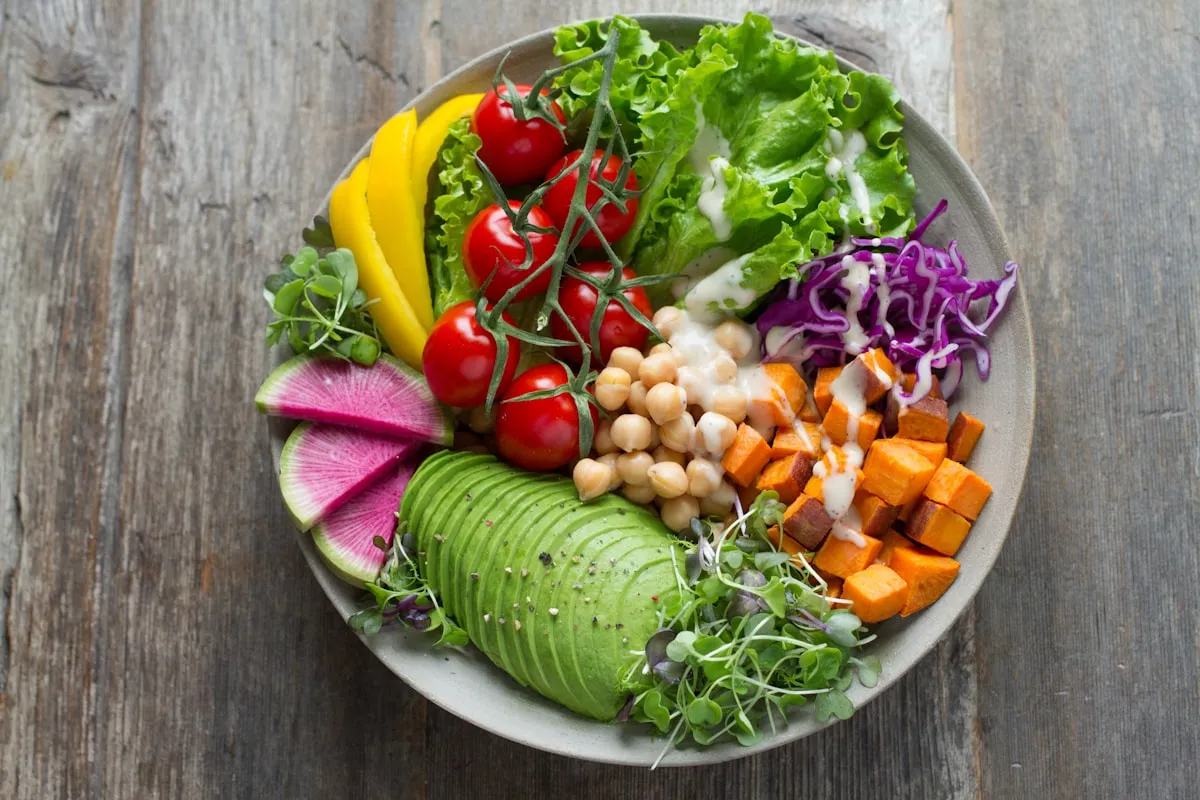
Balance richness with acidity
Beans and tuna are both satisfying, but they can taste dense when paired without contrast. Lemon juice provides acidity, which brightens the whole bowl and cuts through the richness of olive oil and fish. Think of it as turning up the lights in a dim room.
Add the lemon gradually and taste as you go. Too little acidity leaves the salad dull; too much makes the beans taste sharp. Aim for a dressing that tastes slightly more vivid on its own than you think necessary. Once it meets the beans and vegetables, the flavor will soften.
Include a little mustard if you want the dressing to cling more effectively. Mustard contains fine particles and natural compounds that help suspend oil and lemon juice, creating a looser emulsion. It will not produce a restaurant-style sauce with a whisk and a degree in food science, but it will slow down separation and spread flavor more evenly.
Use salt strategically
Rinsing canned beans can reduce some surface sodium, but it also removes seasoning. Replace flavor thoughtfully instead of adding a heavy pinch of salt at the end.
Season the dressing first, then taste the assembled bowl. Tuna, olives, feta, and canned beans can all bring salt, so treat them as part of the seasoning system. If you are watching sodium, choose no-salt-added beans when available and use lemon, black pepper, garlic, herbs, or a little vinegar to create intensity without relying on more salt.
This matters because a salad can taste “healthy” and still deliver a surprisingly large sodium load when every component comes from a can or jar. Keep the bowl lively with acidity and herbs, then add salt only where it earns its place.
Create contrast in every bite
A good salad bowl should not have one texture from edge to edge. Combine soft beans and flaky tuna with crisp cucumber, juicy tomatoes, crunchy greens, and thinly sliced onion. The contrast keeps each forkful interesting and makes the meal feel more substantial.
Cut vegetables into pieces that fit comfortably on a fork. Oversized chunks force you to chase them around the bowl; tiny pieces disappear into the dressing. Keep the texture rustic and relaxed. Slightly uneven chopping is not a flaw, it is evidence that dinner was made by a person, not a laboratory.
Add delicate greens and fresh herbs near serving time. Acid and salt gradually pull water from leafy vegetables, causing them to wilt. If you are preparing the salad ahead, keep the dressing separate and combine it shortly before eating.
Layer instead of stirring aggressively
Toss the beans with the dressing first so they absorb flavor. Add the vegetables and greens afterward, then fold the tuna through gently. This order protects the tuna flakes and prevents the softer beans from breaking apart.
Avoid drowning the bowl. A dressing should lightly coat the ingredients, not form a shallow pond underneath them. Extra dressing can always be added, but rescuing a soggy salad requires a second round of vegetables and a level of patience nobody ordered with dinner.
This approach also makes the bowl better for meal prep. The sturdier beans can handle several hours in the refrigerator, while the greens and crunchy vegetables stay fresher when added later.
Understand why the bowl keeps you full
Legumes are doing serious work here. According to Harvard’s Nutrition Source guide to legumes, beans and chickpeas provide protein, complex carbohydrates, and both soluble and insoluble fiber. That combination digests more slowly than a meal built mainly from refined carbohydrates.
Tuna adds concentrated protein, while vegetables increase volume, water, and crunch. Olive oil contributes satisfying fat, but measure it rather than pouring with theatrical confidence. The result is a balanced bowl that can support your appetite for longer than a very light salad.
For more cold meal-prep ideas, compare the texture principles in Cookpedia’s Quick Mediterranean Quinoa Bowl. You can also browse the Cookpedia salad collection when the refrigerator needs a little inspiration.
Variations: Keep the Formula, Change the Mood
Treat this recipe as a framework rather than a rigid rulebook. The non-negotiables are balance, texture, and proper chilling. Everything else can move with your pantry.
For a Mediterranean direction, add cucumber, tomatoes, parsley, oregano, and a few olives. Use feta sparingly if you enjoy it, since its salty tang can replace some of the seasoning in the dressing. Add roasted red peppers for sweetness and a softer texture.
For a brighter, sharper bowl, swap part of the lemon juice for red wine vinegar and include capers or finely chopped pickles. Their acidity cuts through the beans and gives the salad a punchy deli-counter personality.
For a dairy-free version, skip feta and add toasted seeds or chopped walnuts for crunch. For a plant-forward bowl, replace the tuna with extra chickpeas, white beans, or flaked baked tofu. Keep the lemon and mustard dressing because it provides the savory lift that tuna would normally bring.
Need more bulk? Serve the salad over cooked quinoa or brown rice. If you are collecting healthy dinner ideas, this formula can also become a wrap filling, stuffed pita, or a topping for baked potatoes.
And if you are comparing air fryer recipes dinner options, serve this chilled bowl beside crispy air-fried vegetables. The contrast between cool, creamy beans and hot, browned vegetables is excellent.
Side Dish Pairings: Add Contrast, Not More of the Same
Pair the salad with something that changes the temperature or texture. Warm whole-grain pita, toasted sourdough, or a small baked potato adds comforting starch without turning the meal into a beige mountain.
For extra vegetables, serve roasted broccoli, zucchini, or peppers on the side. Their caramelized edges add sweetness and warmth, while the lemony salad keeps the plate fresh. A simple vegetable soup also works well on cooler evenings.
Avoid pairing the bowl with another bean-heavy side unless you are deliberately planning a fiber festival. Instead, choose crisp fruit such as grapes, orange segments, or sliced apple. Their juiciness and natural sweetness refresh the palate between bites.
For quick family meals, set out toppings separately: herbs, lemon wedges, chopped pickles, toasted seeds, or a little cheese. Let everyone customize the bowl without creating three separate dinners. That is not a side dish; that is strategic peacekeeping.
FAQ: Practical Answers for Real Kitchens
Can I make this salad ahead of time?
Yes, but keep the dressing separate if you are preparing it more than a few hours ahead. Beans and tuna hold up well in the refrigerator, while leafy greens and cucumber lose crispness when exposed to salt and acid for too long. Store the sturdy components in an airtight container, chill them promptly, and add the greens and dressing shortly before serving.
Why does my salad taste bland even though I added salt?
Salt may not be the real missing element. Wet beans dilute seasoning, and a lack of acidity makes flavors seem muted. Drain the beans thoroughly, add lemon juice or vinegar, and taste again before adding more salt. A small amount of mustard, black pepper, or fresh herbs can create more perceived flavor without pushing sodium too high.
What if I dislike the taste of canned tuna?
Use tuna packed in water for a lighter flavor, or choose olive-oil-packed tuna and reduce the added oil in the dressing. Lemon, parsley, capers, pickles, and finely chopped red onion all help balance the fishiness. If the flavor still does not work for you, replace the tuna with hard-boiled egg, shredded chicken, smoked salmon, or extra beans.
How can I make the beans easier to digest?
Rinse canned beans and chickpeas thoroughly before using them. If you cook beans from dry, soaking and cooking them properly can reduce some of the carbohydrates that cause gas. Increase your portion gradually if your usual diet is low in legumes, and drink enough water as you add more fiber. Your digestive system may need a little practice; it is not failing an audition.
How long does the finished salad keep?
Keep it refrigerated at 40°F (4°C) or below and eat it within three to four days. Follow the FoodSafety.gov cold-food storage guidance for the conservative limit. Refrigerate the salad within two hours of preparation, or within one hour if the surrounding temperature is above 90°F (32°C). Discard it if it develops an off smell, slimy texture, unusual discoloration, or if you are unsure how long it has been warm.
Can I freeze the salad?
Do not freeze the finished bowl if it contains fresh greens, cucumber, or a lemon dressing. Freezing damages the cell structure of watery vegetables, leaving them limp when thawed. You can freeze plain cooked beans, then thaw and drain them before assembling a fresh salad. Keep the vegetables and dressing fresh for the best texture.
Is this a complete dinner?
It can be, especially when you serve a satisfying portion and include enough vegetables and dressing for flavor. The bowl combines plant-based fiber and carbohydrates from legumes with protein from tuna. Add whole grains or pita if you need more energy, and adjust the ingredients to suit your dietary needs. For more quick family meals, browse Cookpedia’s quick-meals collection. Keep the formula simple: protein, fiber, color, crunch, and enough acidity to make everything taste awake.