Recipe
Servings
Servings 1×
Ingredients
- Chicken
- Quinoa
- Greens
- Avocado
- Onion
- Lime
- Honey
- Mustard
- Cooking oil
- Salt
- Black pepper
Method
- Use the techniques below, and you will have a colorful meal that tastes far more complicated than it is.
- Start with the surface, because browning is where grilled chicken gets its character.
- Pat the chicken dry before seasoning it.
- Keep the surface dry and let the grill do the dramatic work.
- Use medium-high heat rather than an aggressively scorching grill.
- Use those few minutes to finish the dressing, arrange the greens, or locate the lime juicer that somehow migrated to the wrong drawer.
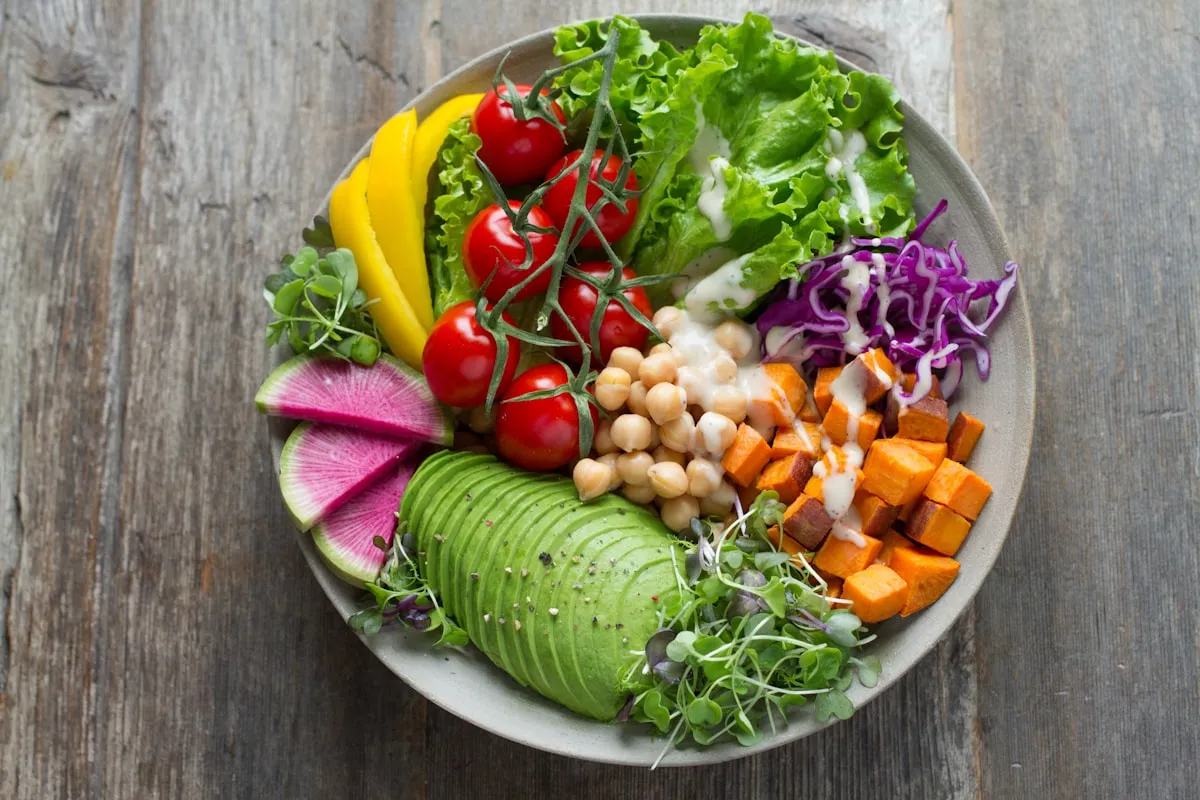
Some salads are side dishes wearing a brave little lettuce costume. This one is dinner. Grilled chicken brings savory protein, mango adds juicy sweetness, avocado gives the bowl satisfying richness, and lime keeps everything bright. It is one of my favorite healthy dinner ideas when I want something fresh without turning the kitchen into a full-time job. Use the techniques below, and you will have a colorful meal that tastes far more complicated than it is.
Tips & Technique: Build Flavor by Controlling Heat, Moisture, and Contrast
Dry chicken browns better
Start with the surface, because browning is where grilled chicken gets its character. Pat the chicken dry before seasoning it. Moisture on the outside must evaporate before the meat can brown, and that evaporation temporarily holds the surface temperature near the boiling point of water. In other words, a damp chicken breast steams before it grills.
Dry the chicken thoroughly, then season it evenly. Do not wash raw chicken; splashing water around the sink spreads bacteria and does nothing for flavor. Keep the surface dry and let the grill do the dramatic work.
Once the moisture has gone, the Maillard reaction can begin. This is the heat-driven interaction between amino acids and sugars that creates browned color and savory, roasted aromas. It is not just decoration. Those browned compounds add depth, which is especially useful in a salad where the greens and fruit need a strong savory anchor.
Use even thickness for even cooking
Chicken breasts are often thick in the middle and thin at the edges, which is a terrible shape for predictable grilling. The thin parts dry out while the center catches up. Flatten the meat to a more even thickness when needed. This reduces the distance heat must travel and helps the whole piece finish at roughly the same time.
Use medium-high heat rather than an aggressively scorching grill. You want enough energy to brown the outside, but not so much that the exterior turns dark before the center is safe. Turn the chicken only when it releases easily from the cooking surface. If it sticks, the crust may not be ready yet. The grill is giving you feedback; listen to it.
Check the thickest part with a thermometer and cook chicken to 165°F (74°C). Do not rely on grill marks, color, or a hopeful glance at the center. Food safety is not the place for optimism.
Resting protects the juiciness
Rest the grilled chicken before slicing. During cooking, muscle fibers contract and squeeze moisture toward the center and outer edges. Cutting immediately releases those juices onto the board instead of keeping them in the meat.
A short rest gives the fibers time to relax and lets heat continue moving inward through carryover cooking. You do not need a lengthy ceremony. Use those few minutes to finish the dressing, arrange the greens, or locate the lime juicer that somehow migrated to the wrong drawer.
Slice across the grain when possible. Cutting through the long muscle fibers shortens them, making each bite easier to chew. This matters even more with lean chicken, which has less fat to disguise a tough texture.
Balance the dressing instead of drowning the salad
Lime dressing works because it balances three sensations: acidity, fat, and a touch of sweetness. Lime wakes up the palate, olive oil carries aromas and softens the sharpness, and a small amount of honey or maple syrup rounds the edges.
Taste the dressing before it meets the salad. If it tastes too sharp on its own, remember that the greens and chicken will dilute it slightly, but do not use that as an excuse for a dressing that makes your eyes water. Add sweetness sparingly. Mango already contributes plenty of natural sugar, so the dressing should sharpen the fruit rather than compete with it.
Whisk vigorously or shake the dressing in a jar. Lime juice and oil naturally want to separate because one is water-based and the other is fat-based. Agitation breaks the fat into small droplets, creating a temporary emulsion that coats the leaves more evenly. A little mustard can help stabilize that emulsion, too. For more on why emulsified dressings cling better, see the technique behind Cookpedia’s Quick Mediterranean Quinoa Bowl.
Protect avocado with acid and timing
Avocado browns when enzymes react with oxygen. Lime juice slows that process by making the surface more acidic, but it does not freeze time. Cut the avocado close to serving, or coat it lightly with lime as soon as it is sliced.
Do not soak it in dressing for hours. Too much acid can soften the surface and make the pieces lose their neat shape. Keep the avocado separate if you are preparing lunch ahead, then combine everything just before eating.
Choose mango that is ripe enough to smell fragrant but firm enough to hold its shape. Soft mango collapses when tossed and turns the salad into a sweet-orange sauce. Delicious in another context, but not the texture we are after here.
Layer textures deliberately
Build contrast with crisp greens, tender chicken, creamy avocado, juicy mango, and something with a little bite, such as red onion or bell pepper. Texture keeps a salad interesting even when the flavor profile is simple.
Dry the greens well after washing. Water left on the leaves dilutes the dressing and prevents it from clinging. Toss gently and dress close to serving time. Acid and salt begin drawing water from vegetables, so an early dressing can make the bowl limp.
Think of the salad as a small ecosystem. Keep moisture under control, keep the chicken warm but not scorching, and allow the dressing to connect the flavors without taking over.
Variations: Change the Mood Without Losing the Balance
Keep the basic structure, then adjust the flavor direction.
- Make it smoky: Season the chicken with smoked paprika, cumin, and a pinch of chili. The warm spices deepen the grilled flavor and pair beautifully with sweet mango. Add extra lime at the end so the smoky notes do not make the salad feel heavy.
- Make it herb-forward: Use cilantro, mint, or a little basil in the dressing. Mint makes the fruit taste cooler and brighter, while cilantro gives the dish a more tropical, salsa-like character.
- Add crunch: Include toasted pumpkin seeds, roasted peanuts, or crisp bell pepper. Use one crunchy element rather than five; too many competing textures can make each bite feel busy.
- Go plant-based: Replace the chicken with grilled tofu, chickpeas, or the crispy tofu from Cookpedia’s air fryer sesame tofu bowl. Keep the lime dressing, avocado, and mango so the acid-fat-sweetness balance remains intact.
- Turn up the heat: Add sliced jalapeño or a pinch of cayenne. Counter the spice with a little extra avocado or a spoonful of plain yogurt on the side.
- Use an air fryer: Cook chicken pieces in the air fryer when outdoor grilling is inconvenient. Treat it like other air fryer recipes dinner fans rely on: avoid crowding, keep the surface dry, and check the internal temperature rather than guessing from the timer.
Side Dish Pairings: Add Contrast, Not More Heaviness
This salad is substantial on its own, so choose sides that support the lime and fresh fruit. Warm whole-grain flatbread works well because it adds gentle chew without introducing another strong flavor. A small serving of quinoa can make the meal more filling; Cookpedia’s Quick Mediterranean Quinoa Bowl offers a useful grain-and-legume pairing idea.
For a lighter plate, serve a sharp cucumber salad or lightly dressed arugula. Peppery greens and vinegar cut through the avocado’s richness, while cucumber adds cool crunch. If you are feeding a hungry crowd and want quick family meals, offer black beans or corn on the side. Their earthy sweetness fits the mango, and the extra fiber makes the meal feel complete.
Avoid pairing this salad with a rich creamy pasta or heavily buttered side. The avocado already supplies plenty of luxurious texture. Give the plate one rich element and let lime, herbs, and crisp vegetables handle the rest.
FAQ: What If the Salad Goes Wrong?
What if the chicken sticks to the grill?
Wait a little longer before forcing it loose. Chicken often releases naturally once the surface has browned and the proteins have formed a crust. If it still sticks, check that the grill grate was clean and lightly oiled before cooking. Do not scrape repeatedly; you will remove the best part and leave the coating behind.
What if the chicken is cooked but dry?
The most likely causes are uneven thickness, excessive heat, or overcooking. Flatten thick portions so they finish sooner, use a thermometer, and remove the chicken as soon as it reaches the safe temperature. Resting helps, but it cannot rescue meat that has been pushed far past doneness.
Slice the chicken thinly and let the lime dressing provide moisture at the table. For future batches, consider using boneless chicken thighs, which contain more fat and connective tissue and are generally more forgiving.
What if the avocado turns brown?
A little browning does not mean the avocado is unsafe; it is an oxidation issue, not automatic spoilage. Trim any heavily discolored surface if the texture and smell are still good. Prevent it by cutting the avocado shortly before serving and applying a light coating of lime juice. Keep it covered and chilled if you must prepare it ahead.
Can I make this salad in advance?
Prepare the components separately. Grill and cool the chicken, wash and dry the greens, cut the mango, and store the dressing in a sealed jar. Keep avocado and dressing separate until serving. Assemble just before eating so the greens stay crisp and the fruit retains its shape.
For packed lunches, place the dressing at the bottom of a container, followed by sturdier vegetables and chicken, with greens near the top. Keep the container cold, and do not leave cooked chicken at room temperature for extended periods.
What if my mango is too soft?
Use it in the dressing or mash it into a quick salsa rather than forcing it into neat cubes. For the salad itself, choose firmer fruit or substitute pineapple, oranges, or crisp apple. The important role is juicy sweetness and acidity-friendly freshness, not mango’s exact identity.
What if the lime dressing tastes too sour?
Add olive oil first to soften the sharpness, then taste again. If it still feels harsh, add a very small amount of honey or maple syrup. Salt can also make acidity taste more integrated, but add it gradually. Do not bury the dressing under sugar; the mango should remain the sweet center of the dish.
Can I use leftover grilled chicken?
Absolutely. Cold sliced chicken works well here, especially when the dressing is lively. Reheat only the portion you plan to eat warm, because repeated heating dries lean meat. You can also use leftovers in wraps, grain bowls, or alongside Cookpedia’s quick chickpea and spinach stew for a second meal with a completely different personality.
Is this salad filling enough for dinner?
Yes, provided you build it as a meal rather than a garnish. Use a satisfying portion of chicken, keep the avocado moderate but present, and include enough greens or an optional grain or bean side. Protein, fiber, and fat work together to provide staying power, while mango and lime keep the bowl lively instead of dense.
How can I make the flavor more savory?
Increase the seasoning on the chicken, add thinly sliced red onion, or include toasted seeds for a nutty note. A small spoonful of Dijon in the dressing also adds savory depth and helps the oil and lime stay blended. Keep the mango visible; the sweet contrast is what makes the savory flavors pop.