Recipe
Servings
Servings 1×
Ingredients
- Salmon
- Lemon
- Butter
- Cooking oil
Method
- Prepare the ingredients described in the article and heat the cooking surface or oven as directed.
- Cook the main ingredients using the heat and timing guidance in the article.
- Finish with the seasonings and garnishes named in the article, then serve.
Let’s be honest: you’ve probably had "rubber salmon" before. It’s that sad, dry, chalky brick of pink protein that requires a gallon of water just to swallow. It usually happens because we get distracted by a toddler or an email, and five minutes of overcooking turns a beautiful fillet into a doorstop. But what if I told you that the secret to the best meal of your life is actually doing less?
Cooking a restaurant-quality meal doesn't need to be a marathon. In fact, when you're looking for quick family meals that actually taste like they took hours, salmon is your best friend. It’s the ultimate canvas for fresh flavors and high-impact cooking techniques. I’m going to show you how to master a 15-minute lemon herb salmon that is consistently flaky, impossibly juicy, and vibrant enough to wake up your taste buds.
The Science of the Perfect Flake
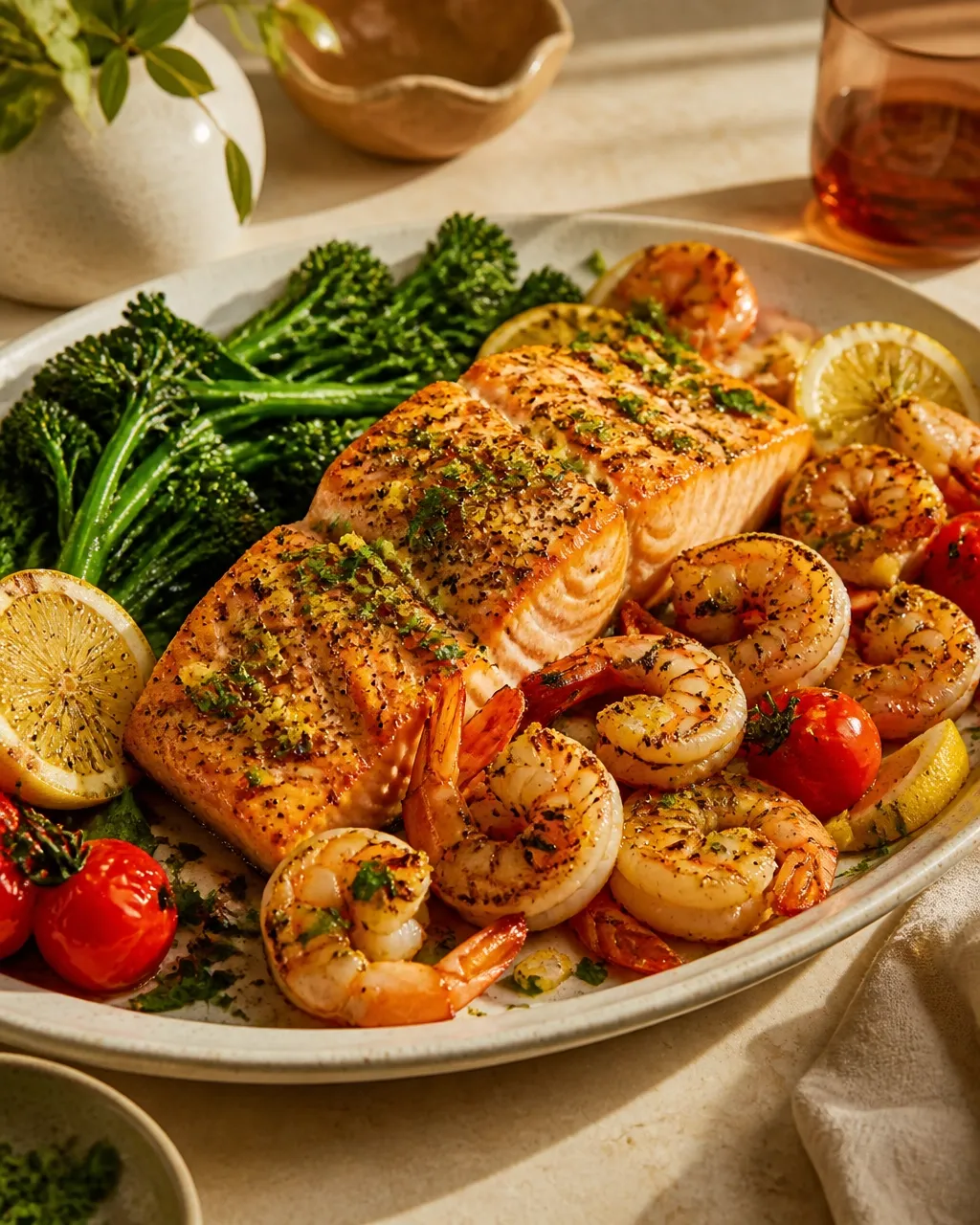
To cook salmon correctly, you have to understand what’s happening inside the meat. Salmon is packed with connective tissue called collagen. Between 125°F and 140°F, that collagen begins to transform into silky, mouth-coating gelatin. This is the "sweet spot." Once you blow past 140°F, the muscle fibers tighten up, squeeze out all the moisture, and leave you with a dry, white substance called albumin leaking out of the top. Stop that from happening!
Use the Skin as a Thermal Shield
Always buy your salmon with the skin on. Think of the skin as a natural heat shield. Whether you are using a pan or exploring air fryer recipes dinner style, the skin protects the delicate flesh from the direct, aggressive heat of the heating element. It allows the fat under the skin to render and gently "confit" the meat from the bottom up. Even if you don’t plan on eating the skin, keep it on during the cooking process to ensure moisture retention.
Zest vs. Juice: Timing is Everything
Acidity is the key to cutting through the richness of salmon fat, but lemon juice is a double-edged sword. If you douse raw salmon in lemon juice and let it sit, the acid will "cook" the proteins (like a ceviche), making the surface mealy before it even hits the heat.
Use lemon zest for the actual cooking phase. The zest contains the aromatic oils: the "lemoniness": without the harsh acid. This gives you a deep, citrusy fragrance that penetrates the fish as it heats. Save the actual lemon juice for the final ten seconds. Squeeze it over the hot fillet right as you pull it from the heat. The sudden hit of acid brightens the fats and creates a fresh "pop" that zest alone can’t achieve.
Don't Fear the Fat
Fat is a flavor carrier. Always coat your salmon in a thin layer of high-quality oil or even a smear of butter before seasoning. This oil layer acts as a barrier that prevents the salmon’s natural juices from evaporating too quickly into the dry air of your oven or air fryer. It also helps those fresh herbs stick to the surface, creating a flavorful crust rather than just having them fall off into the pan.
Variations for the Busy Life
While a standard oven works wonders, sometimes you need to move faster. If you’re looking for healthy dinner ideas that require zero pre-heating, look no further than your air fryer.
The Air Fryer Shortcut
Cooking salmon in an air fryer is a game-changer because of the concentrated convection heat. It mimics the effects of a professional high-heat oven in a fraction of the time. Set your air fryer to 380°F and place the seasoned fillets in the basket. Because the air circulates so rapidly, the exterior gets a beautiful "sear" while the inside remains medium-rare. Check it at the 7-minute mark; for a standard 1-inch thick fillet, 8 to 10 minutes is usually the "golden zone."
Herb Swaps for Different Moods
Don’t feel boxed in by the classic lemon-dill combo. If you want something earthier, swap the dill for fresh thyme and rosemary. This creates a more "rustic" profile that feels perfect for autumn. If you're craving something brighter and more "green," use a mixture of parsley and chives. The key is to use fresh herbs whenever possible. Dried herbs have their place, but they can sometimes taste "dusty" on a delicate protein like fish. If you must use dried, crush them between your palms first to release the stored oils.
The Sweet and Tangy Twist
If you want to level up the "glaze" factor, whisk a teaspoon of honey or maple syrup into your lemon zest and oil mixture. The sugar will caramelize under the heat, creating a glossy, sticky exterior that balances the sharp acidity of the lemon. This is particularly effective if you are trying to convince kids (or picky adults) that salmon is actually delicious.
Side Dish Pairings for Perfect Balance
Salmon is a rich, fatty fish. To make the meal feel complete, you need sides that offer a counterpoint to that richness. Think about textures and acidity.
Bright Greens and Blanched Veggies
Asparagus is the classic companion for a reason. The slightly bitter, earthy notes of the stalks cut right through the salmon's fat. Quickly blanch your asparagus in boiling water for two minutes, then shock it in cold water to keep that vibrant green color. A quick squeeze of lemon over the greens ties the whole plate together.
The Power of Grains
If you need something more filling, a light quinoa salad or a bed of pearl couscous works beautifully. Toss the grains with a bit of cucumber, feta, and extra parsley. The "bounce" of the grains provides a nice textural contrast to the soft, flaking salmon. Avoid heavy, cream-based sides unless you want a very "sleepy" feeling after dinner; keep it light to maintain that "healthy dinner ideas" vibe.
FAQ: Solving the "What-Ifs"
What if my salmon has that white stuff on top?
Don't panic! That white stuff is albumin, a harmless protein. It usually appears when the salmon is cooked too fast or to a too-high temperature. It's essentially "salmon sweat." While it doesn't look great, the fish is still perfectly safe to eat. To minimize it next time, try a lower temperature or pull the fish out 2 minutes earlier.
Can I cook salmon straight from the freezer?
You can, but you shouldn't if you want the best texture. Cooking frozen salmon leads to uneven results: the outside gets tough while the inside is still icy. If you’re in a rush, place the sealed fillet in a bowl of cold water for 15-20 minutes. This will thaw it safely and quickly without compromising the structure of the meat.
How do I know it’s actually done without a thermometer?
Use the "fork test." Take a fork and gently press down on the thickest part of the fillet. If the flakes separate easily and the center looks slightly translucent (not raw, but not opaque-white), it’s done. Remember "carryover cooking": the fish will continue to cook for a minute or two after you take it off the heat, so it's better to pull it slightly early than too late.
Why does my salmon skin always stick to the pan?
This usually happens because the pan wasn't hot enough or you tried to flip it too early. When the protein in the skin hits a hot, oiled surface, it undergoes the Maillard reaction. Once that "crust" forms, the skin will naturally release from the pan. If it’s sticking, leave it alone for another 30 seconds. Patience is your best ingredient.
Is it okay to eat the salmon "rare" in the middle?
High-quality, fresh salmon is often enjoyed medium-rare (around 120°F-125°F). This keeps the texture buttery and soft. However, if you are serving someone with a compromised immune system or prefer a firmer texture, aim for 145°F as per USDA guidelines. Just know that the higher you go, the drier it gets!
{“@type”:”BlogPosting”,”image”:”https://cdn.marblism.com/sxG1q3d1rBe.webp”,”author”:{“name”:”Penny”,”@type”:”Person”},”@context”:”https://schema.org”,”headline”:”Simple 15-Minute Lemon Herb Salmon”,”publisher”:{“logo”:{“url”:”https://cdn.marblism.com/r31hCYxu5lk.webp”,”@type”:”ImageObject”},”name”:”Cookpedia”,”@type”:”Organization”},”articleBody”:”Cooking a restaurant-quality meal doesn’t need to be a marathon… (full content of the post)…”,”description”:”Master the art of cooking moist, flaky salmon in just 15 minutes. Learn the science of collagen conversion, the importance of skin-on cooking, and how to use lemon for maximum flavor without drying out your fish.”,”datePublished”:”2026-06-17″,”mainEntityOfPage”:{“@id”:”https://cookpedia.com/simple-15-minute-lemon-herb-salmon”,”@type”:”WebPage”}}