Recipe
Servings
Servings 1×
Ingredients
- Pasta
- Noodles
- Garlic
- Lemon
- Cream
- Hard cheese
- Butter
- Cooking oil
- Salt
- Black pepper
Method
- Keep this in your back pocket for busy nights, empty-fridge evenings, and those “I can’t do another sandwich” moments.
- Use pasta water like it’s an ingredient, not an afterthought.
- Use enough salt so the water tastes pleasantly seasoned.
- Cook the pasta to al dente (and actually mean it).
- Warm the garlic gently, don’t brown it.
- Keep the heat moderate and aim for soft, aromatic garlic.
If you’ve ever wanted simple pasta recipes that taste like you tried harder than you did, this is the one. Garlic, Parmesan, pasta, and that mysterious “restaurant gloss” you can never quite recreate at home. Here’s the secret: you don’t need cream, you need starchy pasta water and a little technique. Keep this in your back pocket for busy nights, empty-fridge evenings, and those “I can’t do another sandwich” moments.
The Glossy Sauce Isn’t Creamy, It’s an Emulsion (and You Control It)
A lot of garlic-Parmesan pasta attempts go one of two ways: greasy noodles or sad cheese clumps. Avoid both by treating this like a tiny sauce science project (the fun kind).
Use pasta water like it’s an ingredient, not an afterthought. When pasta boils, it releases starch into the water. That starch is your built-in thickener and “glue.” When you combine fat (butter/olive oil) + starch (pasta water) + cheese (Parmesan) and toss hard, you create an emulsion: a creamy-looking sauce with zero cream.
Salt your pasta water properly. Parmesan is salty, sure, but it doesn’t replace seasoned pasta. If the noodle itself tastes bland, the whole dish tastes flat. Use enough salt so the water tastes pleasantly seasoned. You’re not trying to create brine, but you are trying to season the pasta from the inside out.
Cook the pasta to al dente (and actually mean it). Al dente pasta releases starch at the right pace, finishes well in the pan, and doesn’t turn mushy when you toss it with sauce. Overcooked pasta sheds too much starch into the pot and can go limp in the skillet, your sauce will feel heavy and your noodles will taste tired.
Warm the garlic gently, don’t brown it. Garlic goes from “sweet and fragrant” to “bitter and sharp” in a heartbeat. Keep the heat moderate and aim for soft, aromatic garlic. If it browns, the whole dish will taste harsher, and you’ll be tempted to add more cheese to cover it up (not the vibe).
Grate your Parmesan finely. Use the small holes on a box grater or a Microplane-style grater. Fine shreds melt fast and smooth. Big shreds melt slowly and can clump, especially if your pan is too hot. Also: avoid shelf-stable “shaker” Parmesan here if you can. It’s coated with anti-caking agents and doesn’t melt as smoothly, which makes emulsions harder.
Control the heat when adding cheese. High heat is the enemy of smooth cheese sauces. If the pan is ripping hot, Parmesan can seize into little pellets. Keep the pasta and garlic fat warm, then pull the pan off direct heat (or reduce it low) when you start adding cheese. Use residual heat and constant tossing to melt it.
Add pasta water gradually. Don’t dump it in like you’re putting out a fire. Add a splash, toss, evaluate. Your goal is a sauce that clings and shines, not soup. If it looks too tight, add another splash. If it looks too loose, keep tossing over gentle heat for a moment so it reduces.
Toss like you mean it. Stirring is fine. Tossing is better. Movement helps emulsify the fat and starchy water into a cohesive sauce. Use tongs, lift-and-turn, and keep things moving.
Want a similar “glossy sauce, minimal ingredients” vibe? Check Cookpedia’s pasta guide-style recipe: Spicy Tomato Basil One-Pot Linguine: Achieving the Perfect Glossy Sauce. Different flavor direction, same weeknight payoff.
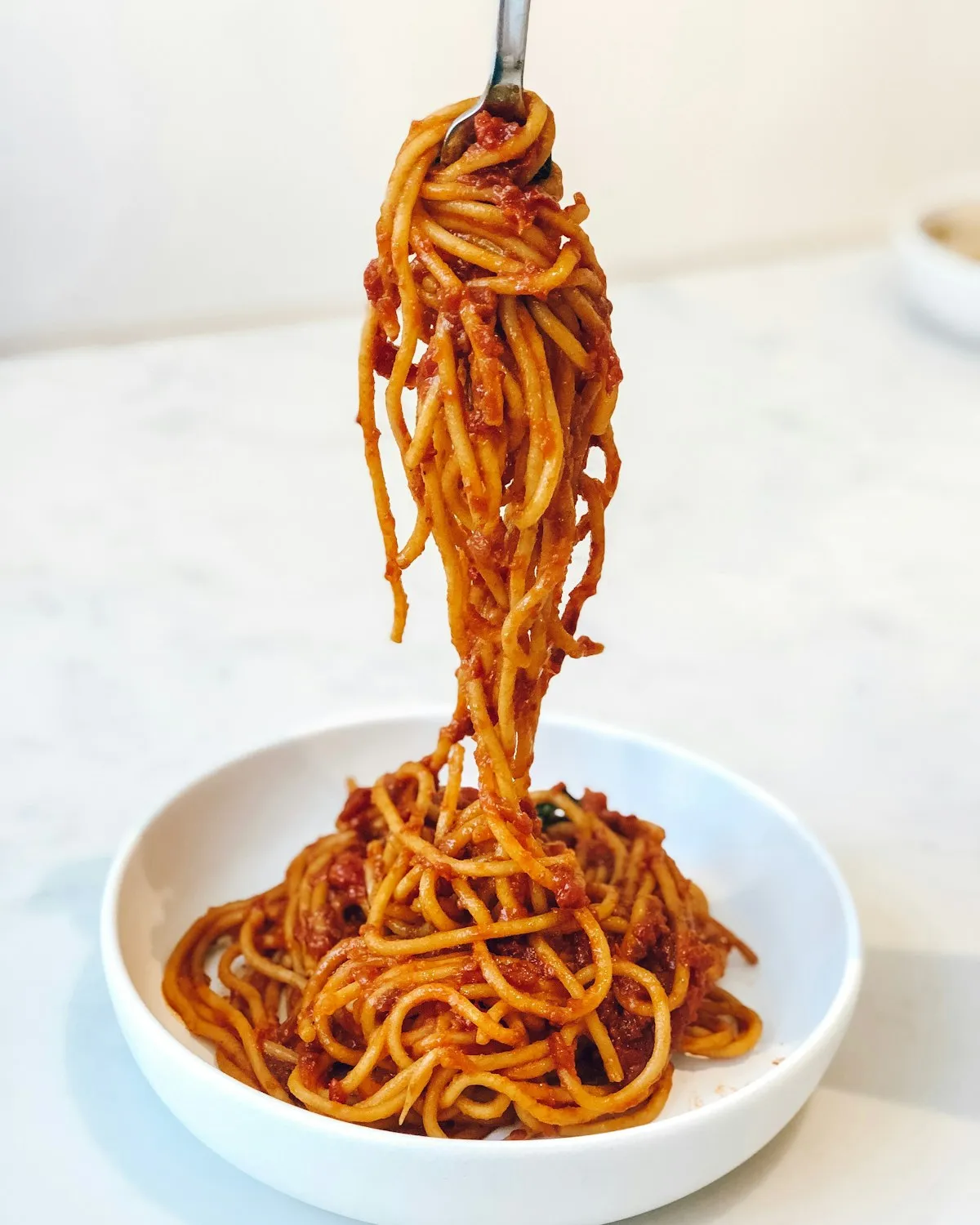
Pantry-First Flavor: Make “Simple” Taste Like a Choice
This is one of those simple pasta recipes that’s basically a pantry roll call, but the order and timing matter.
Use both butter and olive oil if you can. Butter brings richness and that “round” flavor. Olive oil keeps the sauce fluid and helps prevent butter from feeling too heavy. If you only have one, it still works, just be aware the mouthfeel changes.
Use black pepper strategically. Pepper isn’t just “spicy dust.” It adds bite and makes the cheese taste cheesier. Grind it fresh if possible; pre-ground pepper tastes dull and dusty fast.
Finish with a tiny hit of acidity (optional, but powerful). A squeeze of lemon or a pinch of zest can make this dish taste less one-note. Use it the way you’d use salt: to sharpen the edges, not turn it into lemon pasta.
Don’t drown the garlic. More garlic isn’t always better. Too much raw-ish garlic can dominate and leave a harsh aftertaste. Keep the garlic gently cooked and balanced.
Aim for “lightly coated,” not “buried.” This isn’t mac and cheese. The best garlic Parmesan pasta feels sleek and glossy, not thick and heavy. Let the noodle shine.
Variations That Keep It Simple (But Never Boring)
Use these swaps when you want a different mood without turning this into a grocery run. Keep the soul of the dish: garlic + cheese + starchy-water sauce.
Make it spicy and punchy
Add red pepper flakes early with the garlic so they bloom in the fat. This spreads heat evenly instead of giving you random “hot bites.” Finish with extra pepper for a sharper edge.
Make it herby and fresher
Stir in parsley at the end for a clean, green lift. Use basil if you want a sweeter, more summery note. Add herbs off the heat to keep them bright.
Make it lemon-garlic Parmesan
Add lemon zest at the end and a small squeeze of juice right before serving. Acidity cuts the richness and makes the Parmesan pop. Avoid adding lemon too early; prolonged heat can dull the aroma.
Make it extra silky (without cream)
Use a touch more pasta water and toss longer. The longer you agitate fat + starch, the silkier it gets. Don’t “fix” texture with extra butter unless you want it heavier.
Make it “pantry protein” friendly
Toss in canned tuna (drained well) or chickpeas for a fast meal that still feels cohesive. Warm them in the garlic fat briefly so they don’t taste refrigerator-cold in the bowl.
Make it green without getting fussy
Add frozen peas or baby spinach at the very end. Use the residual heat to warm/wilt them. Don’t cook spinach aggressively or it turns swampy.
This is also a sneaky hero for quick family meals: keep the base the same, then let everyone choose a topping (chili flakes, lemon, herbs, extra cheese). Do that once and you’ll feel like a weeknight genius.
Side Dish Pairings (Because Pasta Loves a Supporting Cast)
Keep sides simple and choose balance: crunchy, acidic, or fresh to cut the richness.
- Big lemony salad: Use crisp greens and a sharp vinaigrette. Acid + crunch keeps the meal from feeling heavy. If you need inspiration, Cookpedia has a salad visual in the library that fits the vibe: Arugula salad with tomatoes and shaved Parmesan.
- Roasted broccoli or broccolini: Use high heat for crisp edges. That bitterness plays nicely with cheese.
- Garlic-free veg side: Yes, really. If the pasta is garlic-forward, pair with something simple like sautéed green beans with lemon, or cucumber salad. Avoid stacking garlic on garlic unless you live alone and fear nothing.
- Tomato side (fresh or blistered): Tomatoes bring acidity and sweetness. Serve them lightly dressed, not sauced, let the pasta be the main character.
- Soup starter: A small bowl of brothy veggie soup makes the pasta portion feel more “dinner” without needing meat.
If you’re building a whole week of healthy dinner ideas, use this pasta as the comfort anchor and keep the sides bright and vegetable-heavy.
FAQ: Fixes, “What Ifs,” and Sauce Emergencies
Why did my Parmesan clump up instead of melting?
You likely had the heat too high or used cheese that was too coarse. Reduce heat (or pull the pan off the burner) before adding cheese. Grate Parmesan finely. Add it gradually while tossing. Use warm pasta water to help it melt and disperse.
What if I already drained the pasta and forgot to save pasta water?
Don’t panic. Add a splash of hot water from the kettle, or reheat a little water in the pasta pot and use that. It won’t be as starchy, so the sauce may be slightly less glossy. Fix it by tossing longer and adding cheese in smaller increments so it emulsifies better.
My pasta looks oily/greasy, how do I fix it?
Greasy usually means the sauce didn’t emulsify. Add a few tablespoons of hot pasta water and toss hard over low heat until it turns glossy. Avoid adding more butter, fat isn’t the solution when fat is the problem.
My sauce looks watery, what now?
Keep tossing over gentle heat for 30–90 seconds to reduce and tighten. Add a little more Parmesan if needed, but don’t dump in a mountain at once or you’ll risk clumps. Next time, add pasta water more slowly.
Can I use pre-shredded Parmesan?
You can, but expect less smooth melting. Pre-shredded cheese often contains anti-caking agents that interfere with emulsions. If that’s what you have, keep the heat very low and add it slowly with extra tossing.
Can I make it with dried grated “shaker” Parmesan?
It’ll taste fine, but the texture won’t be as silky. Use more pasta water and accept a slightly less glossy sauce. If you want the best result with pantry ingredients, keep a wedge of Parmesan in the fridge, it lasts a long time and upgrades every pasta night.
What if I want it creamier without adding cream?
Use technique first: more tossing, slightly more pasta water, and finer cheese. If you still want richer results, add a small knob of butter at the very end (off heat) and toss. Don’t add butter early to “make it creamy”, that’s how you get oily noodles.
Can I reheat leftovers?
Yes, but do it gently. Add a splash of water in a skillet over low heat and toss until the sauce loosens. Microwaving works, but it can separate the sauce and make the cheese grainy. Use short bursts and stir often.
Is this a good base for add-ins?
Absolutely: just don’t bury it. Add-ins should be dry-ish and warm (think: peas, spinach, chickpeas). Wet add-ins (like a lot of tomato juice) can thin the sauce and throw off the emulsion unless you reduce them first.
Where does this fit in my weeknight rotation?
Put it in the “zero-planning win” slot. It’s one of the best simple pasta recipes for nights when you want comfort fast, and it plays well with vegetables on the side for balanced healthy dinner ideas. Also: it’s a legitimate answer to “What’s for dinner?” when you need quick family meals that don’t cause complaints.
{“@type”:”Article”,”about”:[“simple pasta recipes”,”garlic parmesan pasta”,”pantry dinners”],”image”:[“https://cdn.marblism.com/b4QnUdZ1JT6.webp”,”https://cdn.marblism.com/FHV8ziCJBBf.webp”,”https://cdn.marblism.com/0hLbpry0leS.webp”,”https://cdn.marblism.com/J3paGTtGAot.webp”],”author”:{“url”:”https://cookpedia.com”,”name”:”Cookpedia”,”@type”:”Organization”},”@context”:”https://schema.org”,”headline”:”Simple Garlic Parmesan Pasta”,”publisher”:{“url”:”https://cookpedia.com”,”name”:”Cookpedia”,”@type”:”Organization”},”mainEntity”:[{“name”:”Why did my Parmesan clump up instead of melting?”,”@type”:”Question”,”acceptedAnswer”:{“text”:”Clumping usually happens from too-high heat or coarse cheese. Reduce heat or take the pan off direct heat before adding Parmesan, grate it finely, add it gradually, and use hot pasta water while tossing to emulsify.”,”@type”:”Answer”}},{“name”:”What if I forgot to save pasta water?”,”@type”:”Question”,”acceptedAnswer”:{“text”:”Use a splash of hot water (kettle or reheated in the pot). It won’t be as starchy, so toss longer and add cheese slowly to help the sauce come together.”,”@type”:”Answer”}},{“name”:”My pasta looks oily—how do I fix it?”,”@type”:”Question”,”acceptedAnswer”:{“text”:”Add a few tablespoons of hot pasta water and toss vigorously over low heat until the sauce turns glossy and cohesive. Avoid adding more butter, which can worsen greasiness.”,”@type”:”Answer”}},{“name”:”Can I reheat leftovers?”,”@type”:”Question”,”acceptedAnswer”:{“text”:”Reheat gently in a skillet over low heat with a splash of water, tossing until loosened. Microwave in short bursts and stir often to reduce separation.”,”@type”:”Answer”}}],”description”:”A pantry-friendly, simple garlic Parmesan pasta guide focused on technique: starchy pasta water emulsions, heat control, and easy variations for weeknight cooking.”,”dateModified”:”2026-06-01″,”datePublished”:”2026-06-01″,”mainEntityOfPage”:{“@id”:”https://cookpedia.com”,”@type”:”WebPage”},”isAccessibleForFree”:true}