Recipe
Servings
Servings 1×
Ingredients
- Salmon
- Quinoa
- Noodles
- Potatoes
- Asparagus
- Garlic
- Lemon
- Lime
- Honey
- Butter
- Cooking oil
- Chili seasoning
- Salt
- Black pepper
Method
- Let’s be honest: salmon is the overachiever of the seafood world.
- Use a paper towel and press firmly.
- Season only at the last second.
- Let's talk about heat transfer.
- Use a heavy-bottomed skillet, stainless steel or cast iron is best because they have high thermal mass.
- Place the fish skin-side down and don't touch it.
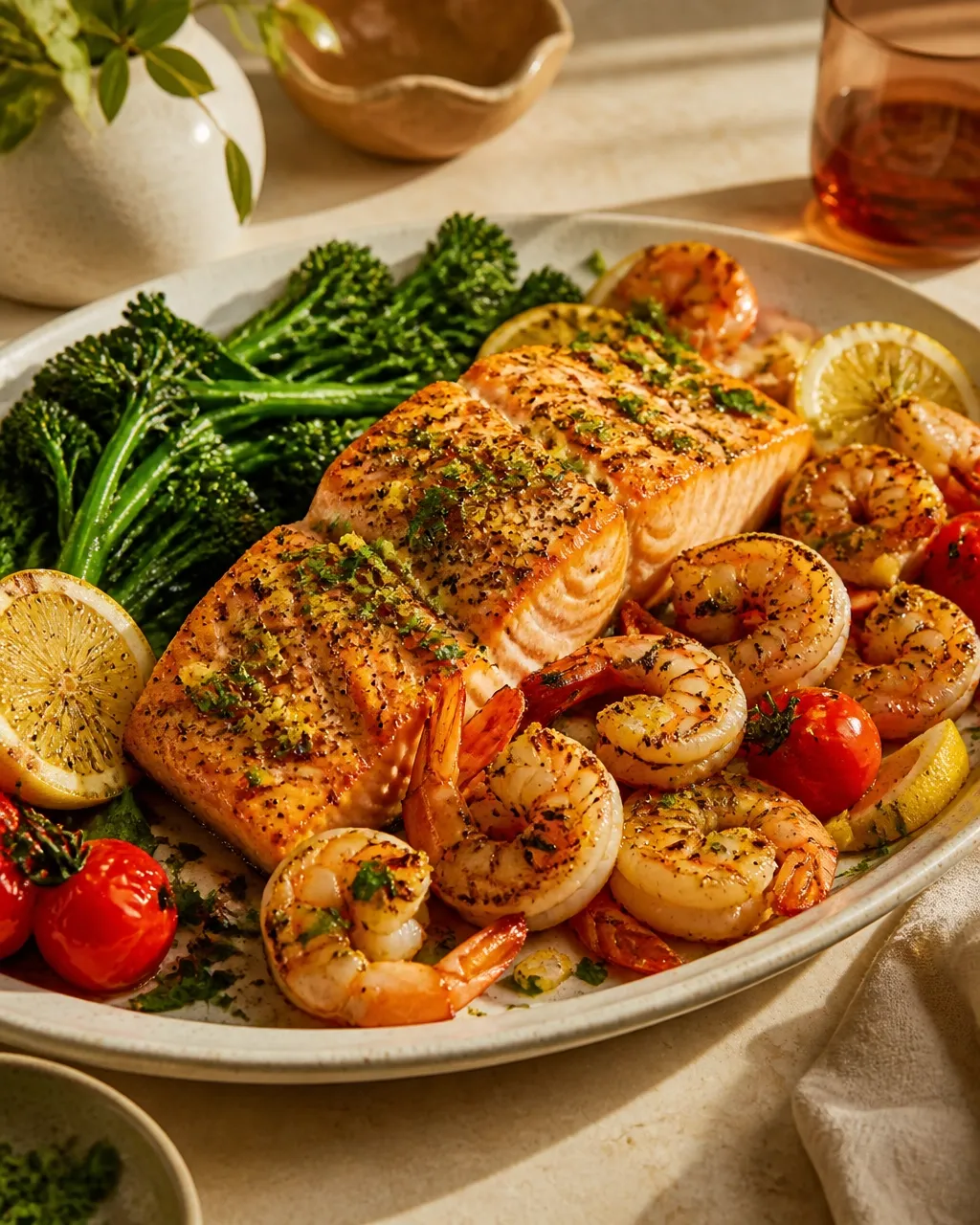
Let’s be honest: salmon is the overachiever of the seafood world. It’s packed with omega-3s, it looks stunning on a plate, and it can go from the fridge to your face in under 15 minutes. But there’s a massive difference between "cooked salmon" and "perfectly seared salmon." If you’ve ever ended up with a grey, rubbery fillet or skin that feels like a soggy bandage, you’re in the right place. Today, I’m showing you how to master the art of the sear while keeping things among the most efficient quick family meals in your rotation.
The Chemistry of the Perfect Sear
Cooking is essentially just applying energy to molecules to change their structure, and with salmon, moisture is your primary antagonist. To get that shatteringly crisp skin, you must understand the Maillard reaction. This is the chemical dance between amino acids and reducing sugars that occurs when food hits high heat. However, this reaction cannot happen effectively in the presence of water because water caps the temperature at 212°F (100°C) until it evaporates. By then, your salmon is overcooked.
Pat your fish dry. Use a paper towel and press firmly. If the skin isn't dry to the touch, it will steam rather than sear. Season only at the last second. Salt is hygroscopic, meaning it draws moisture out of the flesh. If you salt your salmon and let it sit for ten minutes, you’ll find a puddle of brine on the surface that ruins your Maillard potential.
Let's talk about heat transfer. Use a heavy-bottomed skillet, stainless steel or cast iron is best because they have high thermal mass. This means when you drop a cold piece of fish into the pan, the temperature doesn't plummet. Place the fish skin-side down and don't touch it. As the skin heats up, the subcutaneous fat begins to render. This liquid fat acts as a heat-transfer medium, frying the skin in its own oil.
Watch the side of the fillet. You’ll see a line of opaque, light-pink flesh slowly creeping upward. This is protein denaturation in action. When that line reaches about three-quarters of the way up the side, it’s time for the flip. The majority of your cooking happens on the skin side to protect the delicate flesh from the direct, aggressive heat of the pan.
Asparagus and the Bright Green Transition
While your salmon is working its magic, the asparagus needs its own moment. Asparagus contains chlorophyll, which stays vibrant green as long as the cooking time is brief. Overcook it, and the cellular walls collapse, releasing organic acids that turn the chlorophyll a dull, unappetizing olive drab.
Use the same pan. By cooking the asparagus in the rendered salmon fat, you’re creating a cohesive flavor profile. Avoid overcrowding. If you pile the spears on top of each other, they will steam. You want direct contact with the pan to create slight char marks, this adds a nutty, smoky dimension that balances the richness of the fish. This technique is what makes this one of the best healthy dinner ideas for anyone who values flavor over fuss.
Flavor Variations and Balancing Act
Salmon is a fatty fish, which is why it tastes so indulgent. However, fat needs a foil. Without acidity, a fatty dish feels "heavy" or "muddy" on the palate. This is why a squeeze of lemon is a non-negotiable. The citric acid cuts through the lipids, brightening the entire flavor profile.
If you want to move beyond the classic lemon-and-garlic vibe, consider these scientific pairings:
- The Honey-Soy Glaze: The sugars in the honey will accelerate the Maillard reaction, but be careful, they can burn quickly. Add glazes only in the final 60 seconds of cooking.
- The Herb Butter Finish: Drop a cold knob of butter and a sprig of rosemary into the pan after you flip the fish. The milk solids in the butter will brown (beurre noisette), adding a toasted aroma that complements the asparagus perfectly.
- The Chili-Lime Kick: If you're looking for something punchier, use lime juice and red pepper flakes. The capsaicin in the peppers provides a heat that contrasts beautifully with the cooling omega-3 fats of the salmon.
While this pan-seared method is my go-to for speed, if you are looking for even more hands-off air fryer recipes dinner options, you can actually achieve a similar result by air-frying the salmon at 400°F for about 8-10 minutes. It won't have the same pan-rendered crust, but it's a great shortcut for those truly chaotic nights.
Perfect Side Dish Pairings
The salmon and asparagus duo is a powerhouse, but sometimes you need a little more substance to round out the meal. To keep the "quick and healthy" theme alive, look for sides that can be prepared in the time it takes the salmon to rest.
- Garlic Butter Ramen: If you're craving carbs, my viral garlic butter ramen hack is a fantastic companion. The savory, umami-rich noodles act as a great base for the flaky fish.
- Quinoa or Farro: These grains offer a nutty texture and extra fiber. Cook them in vegetable broth rather than water to layer in more flavor from the start.
- Smashed Potatoes: If you have an extra 15 minutes, small gold potatoes can be boiled and then smashed and seared in the same pan as the salmon for ultimate flavor absorption.
Frequently Asked Questions
Why does my salmon have white stuff coming out of it?
That white substance is called albumin. It’s a protein that exists in the fish in liquid form but coagulates and becomes solid when heated. While it’s perfectly safe to eat, it’s often a sign that you’re cooking the fish too fast or at too high a temperature, causing the muscle fibers to contract violently and squeeze the albumin out. To minimize this, cook the fish mostly on the skin side and use a more moderate heat once the initial sear is established.
Can I use frozen salmon for this?
Yes, but with a caveat: you must thaw it completely and dry it even more thoroughly than fresh fish. Frozen fish often has a higher moisture content due to ice crystals damaging the cellular structure. If you don't dry it, you’ll end up with a poached texture rather than a seared one.
How do I know when the asparagus is done?
Use the "bend test." Pick up a spear with tongs. If it stands straight, it’s undercooked. If it flops over completely, it’s overcooked. You want it to have a slight, graceful curve. This indicates the cellulose has softened but still retains its structural integrity.
Do I really need to leave the skin on?
Check your preferences, but keep the skin. Even if you don't plan on eating it, the skin acts as a thermal buffer. It protects the delicate flesh from the direct heat of the pan, ensuring the interior remains moist while the exterior gets that necessary crisp.
What if my salmon sticks to the pan?
Don't force it. Sticking is often a sign that the Maillard reaction hasn't finished yet. When the proteins have properly browned and "set," the fish will naturally release from the pan. If you try to flip it and it resists, give it another 30–60 seconds.
Is this a good meal prep option?
Salmon is best enjoyed immediately. Reheating salmon in a microwave often results in a "fishy" aroma (due to the oxidation of fats) and a dry texture. If you must meal prep it, consider eating the leftovers cold in a salad or flaked into a kielbasa and pierogi roast for a different twist. Alternatively, try our air fryer sausage and pepper medley if you need something that holds up better in the fridge for a few days.