Recipe
Servings
Servings 1×
Ingredients
- Pasta
- Noodles
- Zucchini
- Salt
Method
- Let’s dive into how you can reclaim pasta night without the carb coma.
- Heat your pan to a high temperature, add a tiny bit of fat, and toss the noodles for no more than two minutes.
- Give your ingredients space to breathe so the moisture can evaporate, leaving you with a concentrated flavor and a firm bite.
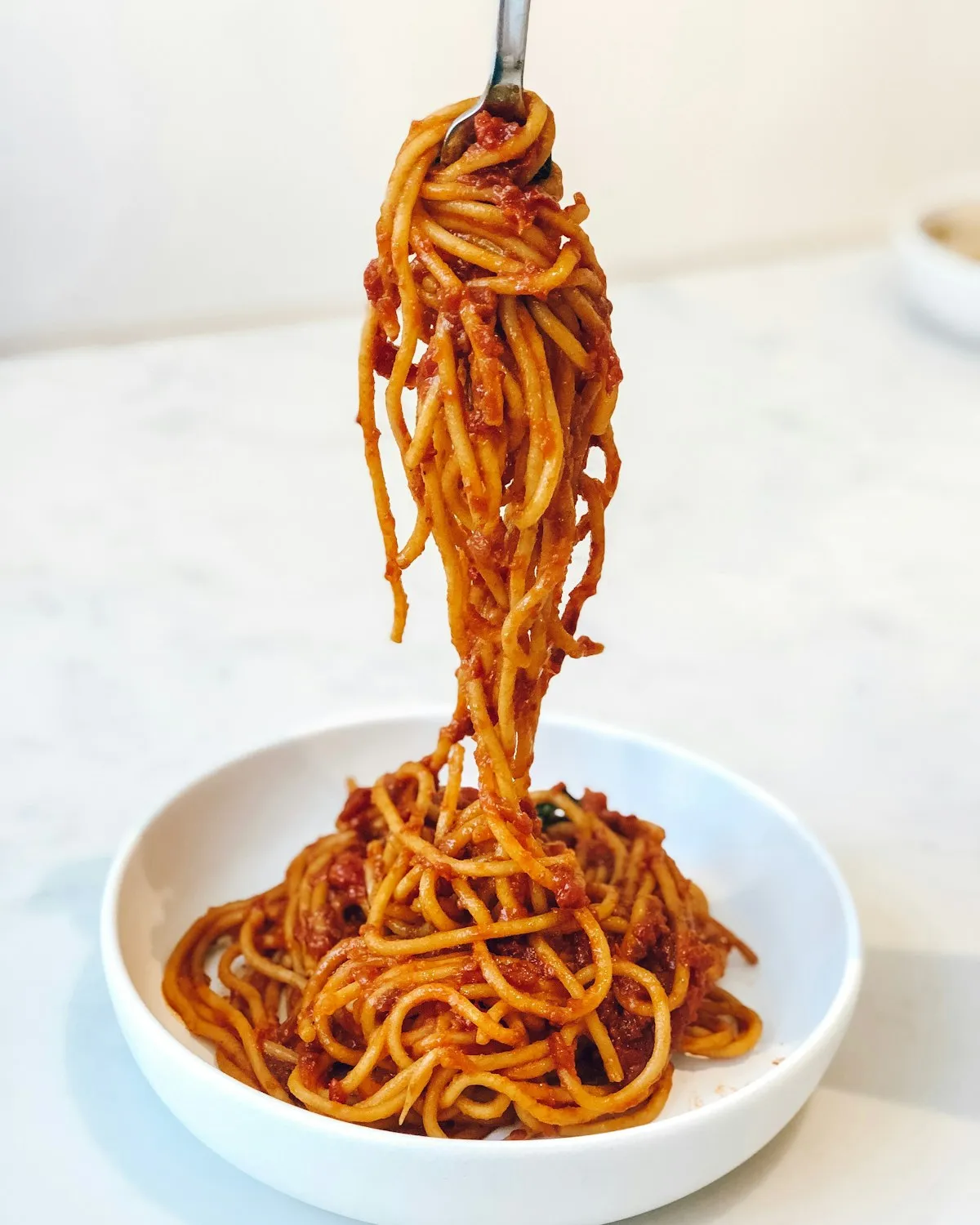
Missing your favorite bowl of linguine since you started your low-carb journey? I get it. The struggle to find satisfying keto recipes for beginners often starts and ends at the pasta aisle. But here is the good news: you don't have to give up that comforting noodle texture just because you’re ditching the wheat. By swapping out starch for clever vegetable alternatives, you can enjoy simple pasta recipes that actually make you feel good after eating them. Let’s dive into how you can reclaim pasta night without the carb coma.
The Science of the "Soggy-Free" Noodle
The biggest hurdle with low-carb pasta is water. Traditional pasta is a sponge; it absorbs liquid. Vegetable noodles, like zucchini or squash, are the opposite: they are comprised of over 90% water and are looking for any excuse to release it. If you’ve ever ended up with a soup instead of a stir-fry, you’ve experienced the "weeping" effect of the zucchini noodle.
To master these healthy dinner ideas, you must understand cellular structure. When you apply heat or salt to zucchini, the cell walls break down and release their internal moisture. To combat this, never boil your vegetable noodles. Instead, use a "flash sauté" method. Heat your pan to a high temperature, add a tiny bit of fat, and toss the noodles for no more than two minutes. This sears the outside while keeping the "al dente" snap inside.
Another scientific trick involves osmotic pressure. If you are using zucchini, salt them in a colander for ten minutes before cooking, then pat them dry with a towel. The salt draws the water out before the heat does, ensuring your sauce stays thick and creamy. This is the secret to turning basic ingredients into quick family meals that don't taste like a compromise.
When you are looking for air fryer recipes dinner enthusiasts love, remember that texture is king. If you prefer a sturdier noodle, consider the spaghetti squash. The science here is in the pectin. By roasting the squash, you caramelize the natural sugars and dry out the strands, resulting in a noodle that holds up beautifully to heavy meat sauces.
Avoid over-crowding your pan. Whether you are using a skillet or an air fryer to crisp up some toppings, crowding creates steam. Steam is the enemy of the keto noodle. Give your ingredients space to breathe so the moisture can evaporate, leaving you with a concentrated flavor and a firm bite. Check your noodles frequently; even thirty extra seconds can turn a perfect strand into mush.
Variations: Beyond the Zucchini
While "zoodles" are the poster child for the low-carb movement, they aren't the only player in the game. If you want to expand your repertoire of simple pasta recipes, you need to look at fiber-based alternatives like shirataki noodles.
Shirataki noodles, often called "Miracle Noodles," are made from the konjac root. The magic here is glucomannan, a highly viscous dietary fiber. These noodles have virtually zero net carbs because the fiber passes through you without being digested. The trick to shirataki is the "rinse and par-dry" method. They come packed in water that has a distinct aroma; rinse them thoroughly under cold water, then toss them into a dry, hot skillet (no oil!) for a few minutes. This removes the excess moisture and improves the texture, making them the perfect base for a keto-friendly ramen or carbonara.
Don't overlook hearts of palm pasta, either. These are pre-cut and have a texture remarkably similar to canned artichokes or slightly softened linguine. They are incredibly sturdy, making them ideal for baked pasta dishes where zucchini would simply disappear. For those seeking keto recipes for beginners, these shelf-stable options are a lifesaver for busy nights when you don't have time to spiralize fresh vegetables.
Side Dish Pairings: Balancing the Richness
Keto cooking often leans heavily on fats: think heavy cream, butter, and cheeses. To make these truly healthy dinner ideas, you need to balance that richness with acidity and bitterness. A heavy Alfredo sauce over zucchini noodles screams for a side of roasted Brussels sprouts or a sharp arugula salad.
The acidity in a lemon-vinaigrette dressed salad cuts through the fat on your palate, making each bite of your "pasta" feel fresh rather than heavy. If you are serving a meat-heavy Bolognese, pair it with steamed broccoli finished with a splash of apple cider vinegar. This isn't just about flavor; it’s about digestion. Acidic components help stimulate the gallbladder to process those healthy fats more efficiently.
If you're looking for more inspiration on quick additions, check out our Garlic Butter Ramen Hack for tips on building flavor profiles (just swap the ramen for your keto noodle of choice!). For a complete spread, add a tray of air-fried asparagus: one of the easiest quick family meals to throw together while your main dish rests.
FAQ: Mastering the Low-Carb Bowl
Why is my keto pasta always watery at the bottom of the bowl?
This is almost always due to residual moisture in the vegetables. As I mentioned earlier, salt your noodles beforehand or "dry-fry" them in a pan to evaporate that water. Also, ensure your sauce is thicker than usual. Since the noodles won't absorb the sauce like wheat pasta does, a thin sauce will simply slide off and pool at the bottom. Use a bit of xanthan gum or heavy cream reduction to give your sauce more "cling."
Can I meal prep these noodles?
Zucchini noodles do not meal prep well once cooked; they become mushy when reheated. However, you can spiralize them and store them raw in a container lined with a paper towel for up to three days. When you’re ready for one of your quick family meals, just grab a handful and sauté them fresh. Spaghetti squash and shirataki noodles, on the other hand, hold up much better to reheating and can be pre-cooked and stored.
What is the best noodle for a red sauce?
Spaghetti squash is the winner here. Its slightly sweet, earthy flavor complements the acidity of tomatoes perfectly. Its strands are also more robust, meaning they won't break apart when you're tossing them with a heavy, chunky meat sauce. If you're looking for air fryer recipes dinner ideas to go with this, try air-frying some meatballs to serve on top: they get a much better crust than they do in the oven.
Is it okay to eat these every day?
Variety is the spice of life and the key to nutrition. While these are excellent healthy dinner ideas, try to rotate your bases. Use zucchini one night, cabbage ribbons the next, and shirataki the third. This ensures you're getting a broad spectrum of micronutrients and prevents "palate fatigue" which is a common reason people fall off the keto wagon.
How do I get rid of the smell in shirataki noodles?
The smell is just from the alkaline water they are packed in. It is completely harmless, but it can be off-putting. Rinse them in a fine-mesh strainer under cold running water for at least two minutes. For the best results, boil them for two minutes in plain water, drain, and then "dry-fry" them in a skillet until they start to squeak. This removes the odor and gives them a much better, noodle-like snap.
Mastering keto recipes for beginners is all about understanding the ingredients you’re working with. Once you stop treating vegetable noodles like wheat pasta and start treating them like the fresh, vibrant ingredients they are, your home cooking will reach a whole new level. Visit Cookpedia for more tips on making real food accessible for your busy lifestyle.