Recipe
Servings
Servings 1×
Ingredients
- Chickpeas
- Quinoa
- Pasta
- Noodles
- Bread
- Broccoli
- Garlic
- Lemon
- Balsamic vinegar
- Tahini
- Cream
- Butter
- Cooking oil
- Chili seasoning
- Salt
Method
- Prepare the ingredients described in the article and heat the cooking surface or oven as directed.
- Cook the main ingredients using the heat and timing guidance in the article.
- Finish with the seasonings and garnishes named in the article, then serve.
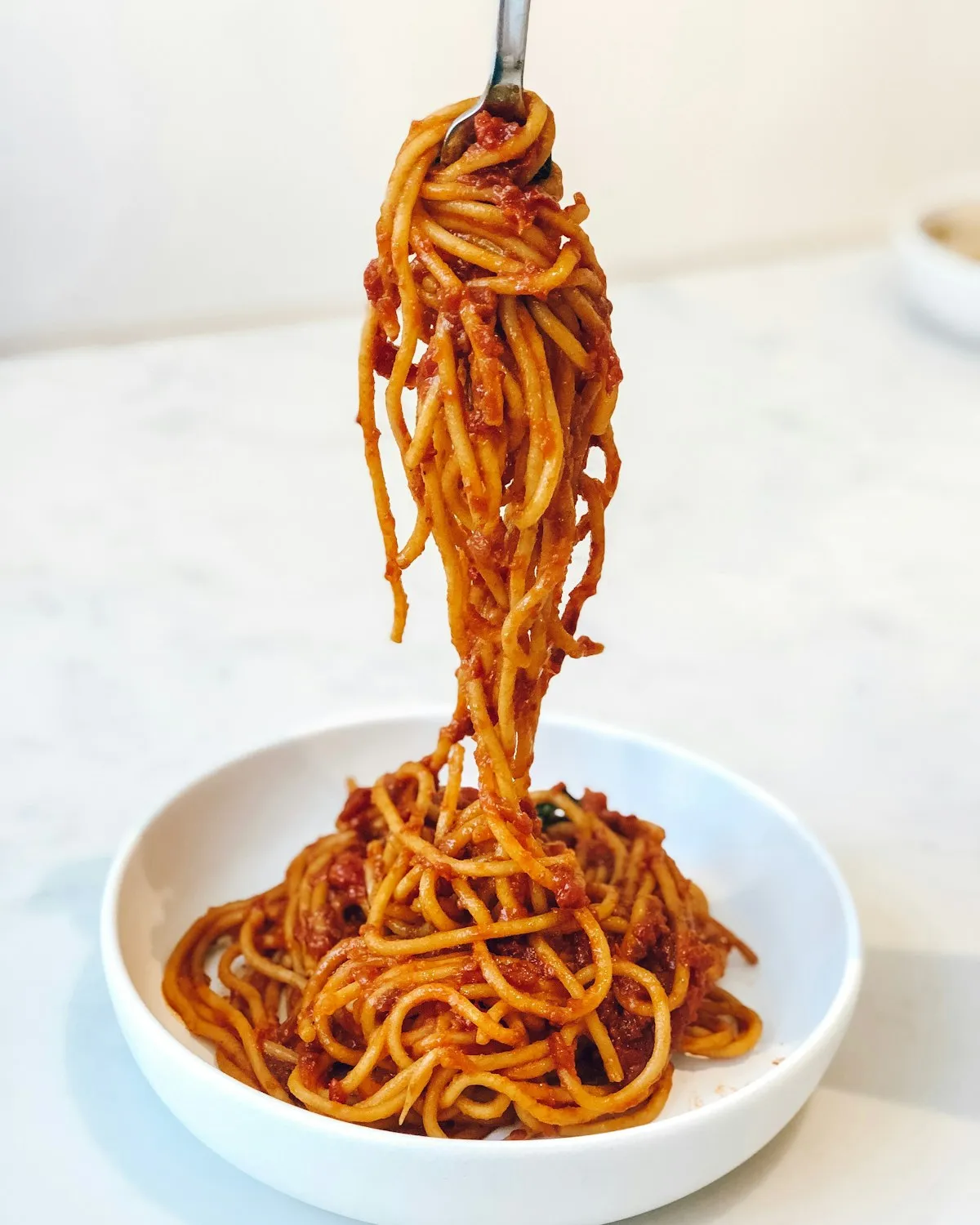
Let’s be honest: your pantry is likely holding a secret. Tucked behind that half-empty bag of quinoa and the mysterious jar of spices is a box of pasta, waiting for its moment to shine. Whether you’re a busy professional or a parent navigating the evening rush, simple pasta recipes are the unsung heroes of the kitchen. They are fast, forgiving, and, most importantly, kind to your wallet. If you’ve ever felt that eating plant-based means spending a fortune on "superfoods," I’m here to tell you that some of the most budget friendly recipes in the world are sitting right in your noodle drawer.
The Liquid Gold and the Science of the Pan
If you want to move from "acceptable dinner" to "restaurant-quality meal," you need to understand one word: emulsification. Most home cooks boil their pasta, drain it into a colander, and watch the most valuable ingredient disappear down the sink. That cloudy, starchy water is what I call "liquid gold," and it is the scientific key to a perfect plant-based sauce.
When pasta boils, it releases starches into the water. In traditional cooking, fat (like butter or cheese) and water don't want to mix. However, when you use that starchy water, the starch acts as a bridge, allowing the fat from your olive oil or nut butters to bind with the water. This creates a creamy, glossy emulsion that clings to every strand of spaghetti rather than puddling at the bottom of the bowl.
Use these essential techniques to master the pan:
- Undercook your pasta. Stop the clock about two minutes before the package says it's "al dente." The pasta should still have a firm, slightly chalky bite in the center because it’s going to finish cooking in the sauce.
- Reserve the water. Always scoop out a cup of the boiling liquid before you drain. If you forget, you’ve just thrown away your sauce's soul.
- Embrace the agitation. Put your drained pasta into a wide skillet with your aromatics and oil. Add a splash of that reserved water and shake the pan vigorously. This movement encourages the starches and fats to marry.
- Check the temperature. Never let your sauce reach a hard boil once the pasta is in the pan. High heat can cause the emulsion to "break," leaving you with a greasy mess instead of a silky coat.
- Salt the water properly. Your pasta water should taste like the sea. This isn't just for flavor; salt affects how the starch granules swell and release, which directly impacts the texture of your final dish.
Flavor Architecture and Variations
Eating plant-based doesn't mean you’re stuck with basic marinara every night. To keep your quick family meals interesting, you need to think about balance: richness, acidity, and heat. When you have a heavy, olive-oil-based sauce, you need a sharp hit of acid to cut through it.
Try experimenting with these variations to find your signature style:
- The Nutty Cream: Instead of dairy, use a tablespoon of smooth tahini or almond butter whisked into your starchy pasta water. It adds a deep, savory richness that mimics heavy cream without the heavy price tag.
- The Zest Factor: Never underestimate a lemon. Grating the zest into your pan at the very last second provides an aromatic lift that makes even the most budget friendly recipes taste high-end.
- The Umami Bomb: Since we aren't using meat, we need to find savory depth elsewhere. Use nutritional yeast for a cheesy funk, or a small spoonful of white miso paste for a salty, fermented kick that rounds out the flavor profile.
- The Toasted Crunch: If you miss the texture of bacon, try air-frying some chickpeas or breadcrumbs with smoked paprika. These make excellent air fryer recipes dinner toppers that add a much-needed crunch to a soft plate of noodles.
Balancing the Plate: Side Dish Pairings
While a big bowl of carbs is my personal love language, a truly satisfying meal needs contrast. When you’re serving a soft, silky pasta, you want a side dish that offers crunch and brightness. This is where you can sneak in those healthy dinner ideas that keep everyone feeling good.
Avoid heavy, starchy sides like garlic bread if your main dish is already pasta-heavy. Instead, reach for cruciferous vegetables. A simple plate of roasted broccoli with charred edges and a sprinkle of chili flakes provides a bitter, smoky counterpoint to a rich pasta sauce. Alternatively, a cold, crisp arugula salad with a balsamic vinaigrette offers the acidity needed to refresh your palate between bites. The goal is to create a meal where the side dish isn't just an afterthought, but a necessary partner that keeps the meal from feeling one-dimensional.
Frequently Asked Questions
Why is my pasta sauce always watery and thin?
This usually happens because you skipped the emulsification step. If you just pour oil over wet noodles, they will never bond. You must use starchy pasta water and active agitation (stirring or shaking the pan) to create a cohesive sauce. If it's still too thin, let it simmer with the pasta for an extra minute to allow the starch to thicken further.
Can I use gluten-free pasta with these techniques?
Yes, but be careful. Gluten-free pastas (made from brown rice or lentils) release significantly more starch and can become "mushy" very quickly. Reduce your boiling time even further and be more gentle when tossing them in the pan. The starchy water from lentil pasta is particularly thick and makes a fantastic base for simple pasta recipes.
What if I accidentally overcooked my pasta?
Don't panic, but don't try to "pan-finish" it either. If the noodles are already soft, adding them to a hot pan with water will turn them into a puree. In this case, make your sauce separately, let it cool slightly, and gently fold the noodles in at the very end without any additional heat. It won't be as silky, but it will be edible!
How do I store leftovers without them becoming a dry clump?
Pasta continues to soak up liquid even after it’s off the heat. If you're planning on leftovers, keep a little bit of that starchy water in a jar. When you reheat the pasta the next day, add a splash of the water or a bit of vegetable broth to "loosen" the emulsion back up.
Is it really possible to make healthy dinner ideas using only pantry staples?
Absolutely. The most expensive part of a meal is usually the protein. By focusing on high-quality grains, healthy fats like olive oil, and seasonal vegetables, you are naturally creating a nutrient-dense meal. Combine your pasta with legumes like chickpeas or white beans to ensure you're getting a complete amino acid profile without breaking your budget.
If you are looking for more inspiration on how to transform your kitchen habits, check out our guide on The Viral Garlic Butter Ramen Hack for another take on quick, high-impact noodles. Remember, the best food doesn't come from a fancy grocery store; it comes from understanding the chemistry in your own pans. Get cooking!