Recipe
Servings
Servings 1×
Ingredients
- Tofu
- Pasta
- Noodles
- Rice
- Carrots
- Greens
- Cucumber
- Garlic
- Fresh ginger
- Lime
- Peanut butter
- Butter
- Cooking oil
- Soy sauce or tamari
- Sesame
- Chili seasoning
- Salt
- Black pepper
Method
- Make it warm, make it cold, make it spicy, make it “my kid only eats beige foods” mild, this one flexes.
- Use warm water on purpose.
- Warm water helps loosen the peanut butter, and gradual additions encourage a smooth, stable sauce.
- Keep it as a supporting actor.
- Use the rinse rule wisely.
- Heat doesn’t just burn, it makes richness taste lighter.
If you want plant-based dinner ideas that feel like takeout but behave like a weeknight meal, these peanut noodles are your new best friend. The whole deal is pantry-friendly, the sauce is stupid-fast, and you can use whatever noodles and veggies you’ve got without the recipe throwing a tantrum. Make it warm, make it cold, make it spicy, make it “my kid only eats beige foods” mild, this one flexes.
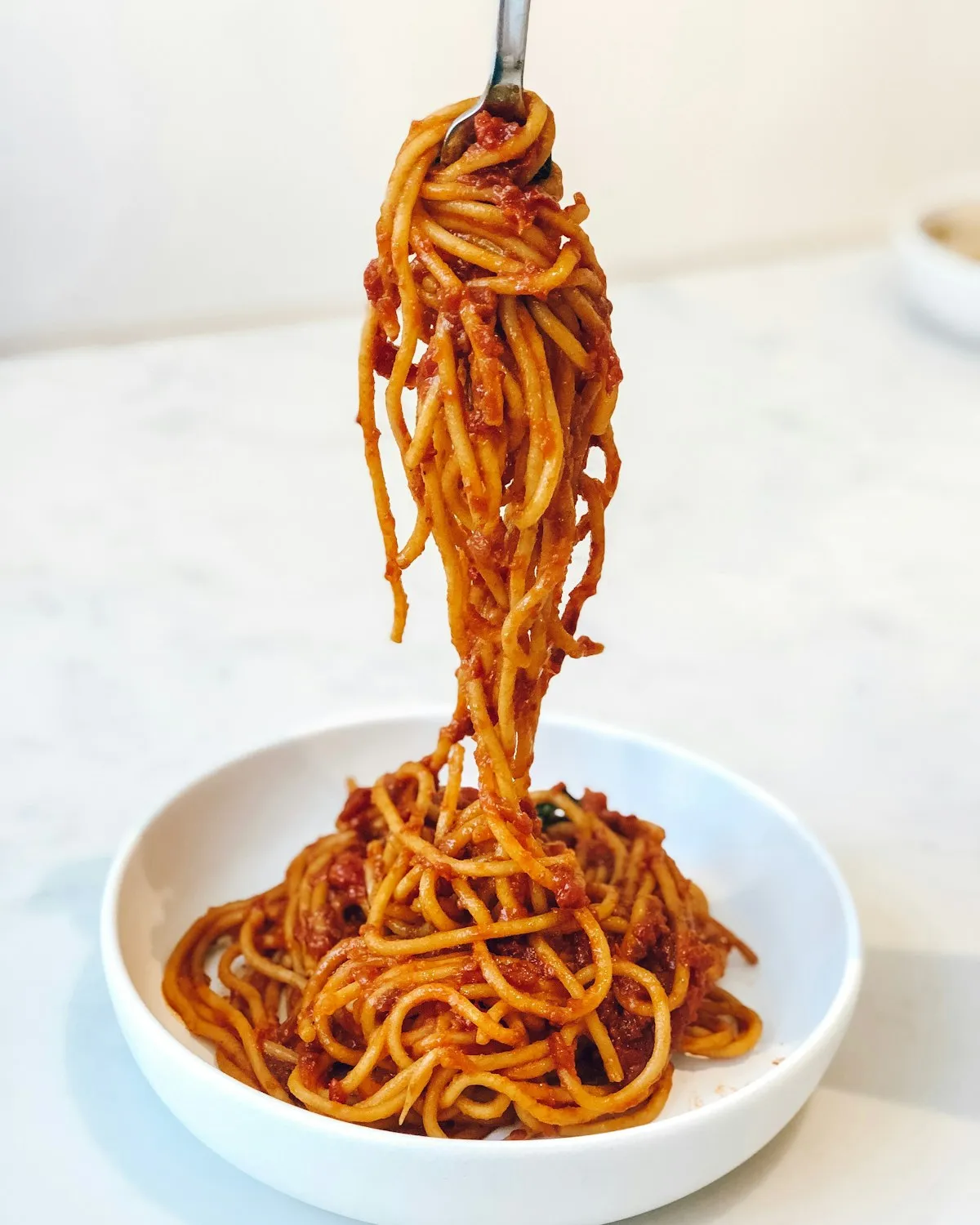
The Emulsion Trick: Why Peanut Sauce Turns Silky (or Seizes Up)
Peanut sauce looks easy, stir stuff together, done. And yes, it is easy… if you respect a few non-negotiables.
Use warm water on purpose. Peanut butter is an emulsion-ish paste packed with fat and solids. When you introduce a salty, acidic liquid (soy sauce + lime), the mixture can go from “creamy” to “why is this cement?” in seconds. Warm water helps loosen the peanut butter, and gradual additions encourage a smooth, stable sauce.
Do this: whisk everything thick together first, then add warm water a tablespoon at a time.
Avoid this: dumping a bunch of cold water in at once. That’s how you get grainy sauce that clings in weird clumps.
Balance matters: salt + acid + sweet is the whole game. Peanut butter is rich and slightly sweet; soy sauce brings salt and umami; lime brings acid (brightness); a touch of maple (or sugar) rounds the sharp edges. If you skip one, the sauce tastes flat or aggressively salty.
Check your sauce before it hits noodles: It should taste slightly too intense in the bowl, noodles dilute flavor.
Don’t underestimate sesame oil (but don’t free-pour it). Toasted sesame oil is basically aroma in liquid form. A little makes the sauce taste “finished.” A lot makes it taste like you drank a candle. Keep it as a supporting actor.
Garlic and ginger are optional, until they aren’t. Powdered versions totally work for pantry cooking, but use restraint. Fresh garlic/ginger hits brighter; powders can read “dusty” if you overdo them.
Do this: start small, taste, then adjust.
Noodle Science: Starch Is Your Friend, Until It’s Not
Noodles + peanut sauce should be glossy and clingy, not gummy and heavy. That comes down to starch management.
Pick noodles that match your vibe, not your shopping list. Wheat noodles (spaghetti, linguine, ramen-style) hold sauce beautifully because they have surface texture and a bit of chew. Rice noodles are great too, but they’re more prone to clumping because their surface starch gelatinizes fast.
Use the rinse rule wisely.
- For warm peanut noodles: avoid rinsing unless your noodles are extremely starchy and sticky. A little surface starch helps sauce cling.
- For cold peanut noodles (meal prep): rinse briefly to stop carryover cooking and reduce sticking, then toss with a tiny bit of sauce (or a neutral oil if you must) to prevent clumps.
Save a splash of cooking water. Starchy noodle water is a built-in sauce adjuster. It loosens thick peanut sauce and helps it emulsify onto noodles so you get that restaurant-style coating.
Do this: add a small splash, toss hard, then reassess.
Heat, Crunch, and Freshness: Build Contrast Like You Mean It
Peanut noodles can taste one-note if you don’t add contrast. Fix that with three levers:
1) Heat: chili garlic sauce, sriracha, chili crisp, or red pepper flakes. Heat doesn’t just burn, it makes richness taste lighter.
2) Crunch: crushed peanuts, sesame seeds, thin cucumber, shredded cabbage, or quick-pickled carrots. Texture keeps each bite interesting.
3) Freshness: lime wedges, cilantro, scallions. Acid and herbs cut through fat so the dish feels energized, not sleepy.
Protein Without Fuss: Keep It Plant-Based and Weeknight-Real
You don’t need tofu for this to be satisfying, but it helps if you want a more “main dish” feel.
Use edamame when you want zero effort. Frozen shelled edamame is basically cheat-code protein. Toss it in during the last minute of noodle cooking or microwave it separately.
Use tofu when you want crunch. Tofu is great here, but it must be browned well or it’ll taste like a damp sponge wearing peanut sauce.
Do this: press (even briefly), dry well, then cook hot and don’t move it too early.
Variations (So You Don’t Get Bored on Day 2)
Want more plant-based dinner ideas that don’t require a second grocery trip? Rotate the flavor dial using what you already own.
1) Extra-tangy “Pad Thai-ish” version
Lean harder into lime and add a little extra sweetener. The goal is that sweet-sour pop that makes noodles taste lighter. Use crushed peanuts generously and finish with more lime at the table.
2) Cozy sesame-peanut version
Increase toasted sesame oil slightly (slightly, behave) and add more soy sauce for a deeper, toastier vibe. If you have tahini, add a spoon for a nuttier, slightly bitter complexity that balances sweetness.
3) Spicy chili-crisp version
Stir chili crisp into the sauce or drizzle it over the top. Use cucumber and herbs as a cooling counterbalance. Keep lime in play, acid keeps chili heat from feeling heavy.
4) “Green fridge clean-out” version
Toss in whatever quick-cooking greens you’ve got: spinach, shredded kale, thin cabbage. Use heat from the noodles to wilt greens gently so they stay bright. Avoid overcooking; gray greens are a crime.
5) Gluten-free and still satisfying
Use rice noodles (or certified GF noodles) and swap soy sauce for tamari or coconut aminos. Expect rice noodles to drink sauce faster, keep warm water or noodle water handy to loosen before serving.
Side Dish Pairings (Balance the Richness)
Peanut noodles are rich, so pair them with sides that bring acid, crunch, or refreshing water-content.
- Quick cucumber salad: Use cucumbers + rice vinegar (or lime) + a pinch of sugar and salt. Keep it sharp to cut the peanut butter richness.
- Steamed or blistered greens: Use broccoli, snap peas, or green beans. Keep seasoning simple, salt + a squeeze of citrus, so the noodles stay the star.
- Miso soup (simple, not fussy): Warm broth balances a room-temp noodle bowl and makes dinner feel complete without extra work.
- Fruit-forward side: Pineapple or mango (even frozen, thawed) works because sweetness + acidity plays well with peanut and chili.
FAQ: Fixes, Swaps, and “What If I Mess This Up?”
Why did my peanut sauce turn thick and pasty?
Because peanut butter tightens when it hits salty/acidic ingredients, and it tightens even more as it sits. Loosen it with warm water (or hot noodle water) a tablespoon at a time and whisk until glossy. Don’t add cold water and hope for miracles, temperature helps the fats relax and emulsify.
What if my sauce tastes too salty?
You probably overshot soy sauce. Fix it with balance, not panic. Add more peanut butter (fat), a little more lime (acid), and/or a small touch of maple (sweet). Then thin with warm water. Saltiness is loud; dilution plus balance is your best move.
What if it tastes bland even though I followed the idea?
Two usual culprits:
- Not enough acid. Add lime (or vinegar). Rich sauces need brightness.
- Not enough salt/umami. Add a bit more soy/tamari or a pinch of salt. Taste again after tossing with noodles, noodles dilute flavor fast.
Can I make this ahead for meal prep?
Yes. Peanut sauce thickens in the fridge because fats solidify and the peanut solids hydrate. Store sauce separately if you can. When reheating or serving cold, loosen with warm water and toss well. If you store it already mixed, expect to add a splash of water and do a serious toss before eating.
What if I only have crunchy peanut butter?
Use it. Crunchy peanut butter makes a more rustic sauce with texture. Whisk longer and accept that it won’t be perfectly smooth. If you want it smoother, blend it quickly or strain it (but honestly, don’t, this is weeknight cooking).
What if I’m allergic to peanuts?
Swap in sunflower seed butter or tahini. Sunflower seed butter behaves similarly to peanut butter; tahini is thinner and more bitter, so add a touch more sweetener and maybe slightly less lime at first. Keep tasting and balancing.
How do I keep rice noodles from clumping?
Rice noodles love to stick because surface starch gels quickly. Soak or cook just until tender, then rinse briefly (especially for cold noodles), and toss immediately with a bit of sauce. Don’t leave them sitting in a colander thinking they’ll “air-dry nicely.” They won’t.
Can this be a kid-friendly dinner?
Yes, just manage the heat. Skip chili sauces in the base and serve spice on the side. Keep toppings fun (cucumber, crushed peanuts, extra lime). This is one of those quick family meals where everyone can build their own bowl.
How can I make it feel more like a full dinner without extra cooking?
Add edamame, shredded cabbage, and cucumber, done. You’ll get protein, crunch, and freshness with basically no additional effort. This is one of those healthy dinner ideas that doesn’t require a second pan or a long prep session.
Any internal Cookpedia reads while I’m here?
If you like pantry-friendly noodles and sauce-y comfort, you’ll probably also like our one-pot pasta approach:
(Yes, different flavor profile: same weeknight logic: fast, high-impact, minimal drama.)
{“@type”:”Article”,”image”:[“https://cdn.marblism.com/KAsqHXTg0Va.webp”,”https://cdn.marblism.com/AvmsY59NLAJ.webp”,”https://cdn.marblism.com/jIvD–6tWzg.webp”,”https://cdn.marblism.com/EAtpxBaBeWW.webp”,”https://cdn.marblism.com/0_H1iKi1w-H.webp”],”author”:{“url”:”https://cookpedia.com”,”name”:”Cookpedia”,”@type”:”Organization”},”@context”:”https://schema.org”,”headline”:”Plant-Based Peanut Noodles”,”keywords”:[“plant-based dinner ideas”,”peanut noodles”,”pantry friendly”,”quick sauce”,”vegan noodles”],”publisher”:{“url”:”https://cookpedia.com”,”name”:”Cookpedia”,”@type”:”Organization”},”description”:”Plant-based peanut noodles with a quick, pantry-friendly sauce. Learn the technique behind silky peanut sauce, noodle texture tips, easy variations, and side pairings.”,”dateModified”:”2026-06-01″,”datePublished”:”2026-06-01″,”mainEntityOfPage”:{“@id”:”https://cookpedia.com”,”@type”:”WebPage”}}