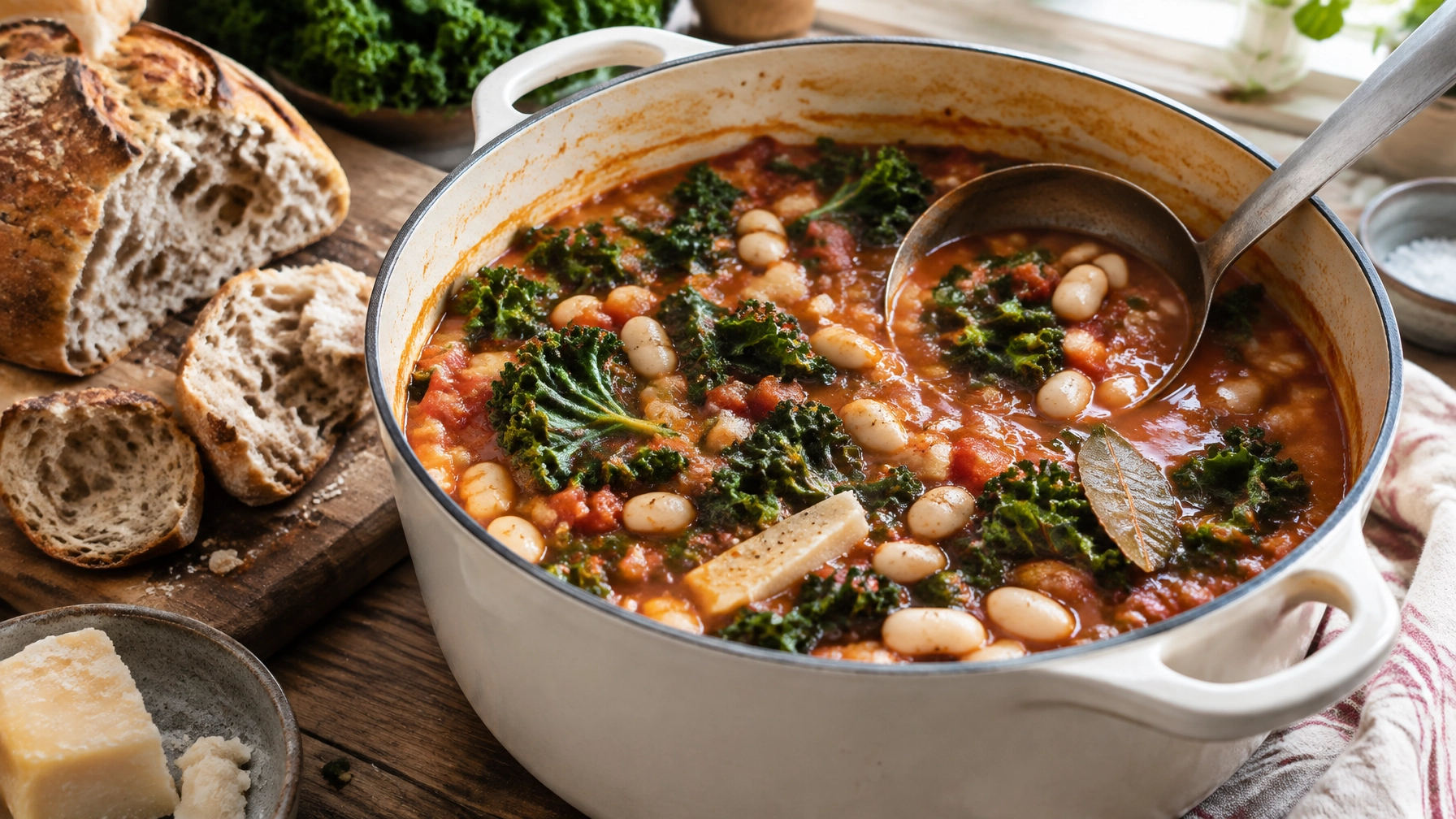
Soups
A Cookpedia collection
Slow cooker recipes turn time into flavour, giving tough cuts, beans, and sturdy vegetables the long, gentle cooking they need to become dinner. A slow cooker is not simply a pot that you leave on while you are busy. It is a specific cooking environment: low, even heat, a sealed lid, and enough time for ingredients that resist quick cooking to soften properly. The best results are not trying to imitate a fast stovetop meal. They are dishes that genuinely improve because the clock is doing useful work for you. What slow cooking does better. Tough cuts of beef, pork, lamb, and chicken thighs become tender without constant attention. Dried beans soften into a creamy base. Root vegetables hold their shape while their edges grow sweet. A chilli, braise, or stew can cook while you work, sleep, or get on with the rest of the day, which makes the slow cooker unusually good at turning a small amount of preparation into a generous meal. Why the technique works. The heat stays low and even, so collagen has time to dissolve into gelatin rather than tightening around the meat. The lid traps steam and keeps the cooking environment moist. Almost nothing evaporates, which means the liquid you add remains in the finished dish and carries the flavour of the aromatics, stock, spices, and meat. Long cooking also gives those flavours time to mingle and deepen, but it does not rescue a dish that began with too much water or too little seasoning. What belongs in the cooker. Start with braises, stews, chilli, pulled pork, pulled chicken, soups, beans, and curries. Chicken thighs, pork shoulder, beef chuck, short ribs, lentils, chickpeas, and sturdy roots all suit the slow, enclosed heat. Tomato sauces and brothy dishes can work beautifully too, provided the liquid is measured with care. Add delicate greens, herbs, dairy, and bright finishing ingredients near the end when you want them to keep their colour and freshness. What does not. A slow cooker is poor at anything that depends on a crisp surface or fast browning. Searing-dependent steaks, crisp-skinned chicken, delicate fish, and dishes that need a browned crust should use a pan or oven instead. When browning matters, do it in a hot pan before the meat goes into the cooker. That extra step creates flavour the slow cooker cannot produce, and it is usually worth the few minutes of work. The practical rules. Do not lift the lid unless the recipe tells you to: each peek releases heat and steam, then adds cooking time. Use liquid sparingly because nothing evaporates, and remember that vegetables and meat will release some of their own. Layer onions, garlic, ginger, and other aromatics at the bottom so they sit closest to the heat and season the cooking liquid from the start. Keep the lid on, resist overfilling, and thicken at the end with a reduction, a slurry, mashed beans, or a little cream rather than adding extra flour at the beginning. Where to go next. Our slow cooker collection brings together the recipes that make the method worthwhile: deeply flavoured braises, practical soups, rich chilli, tender pulled meats, beans, and curries that are ready when you are. Choose a dish with a cut that benefits from patience, set the cooker going, and let dinner take its time.
Cook something good
Soups
Soups6 hrs 15 min
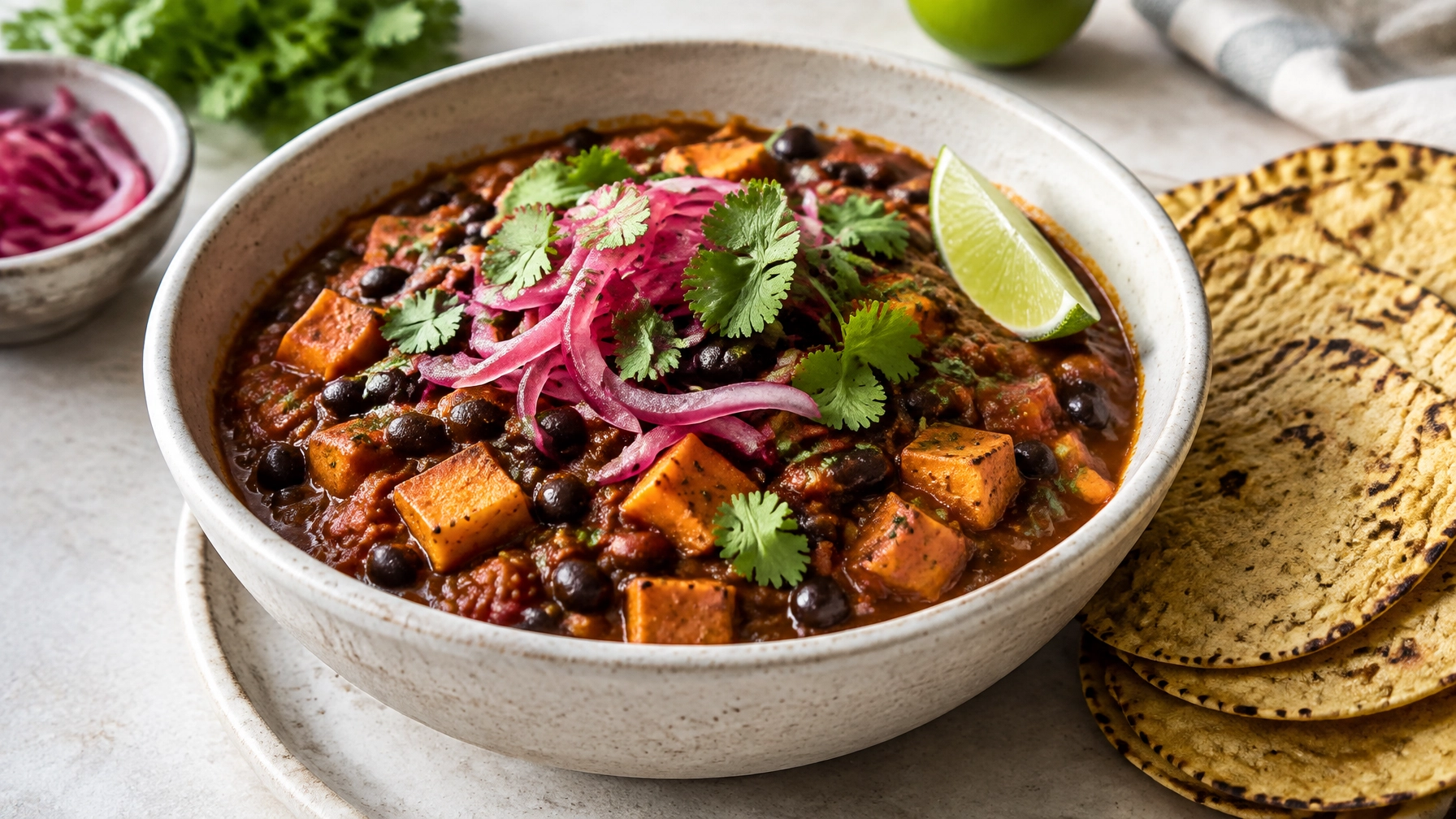
Soups40 min
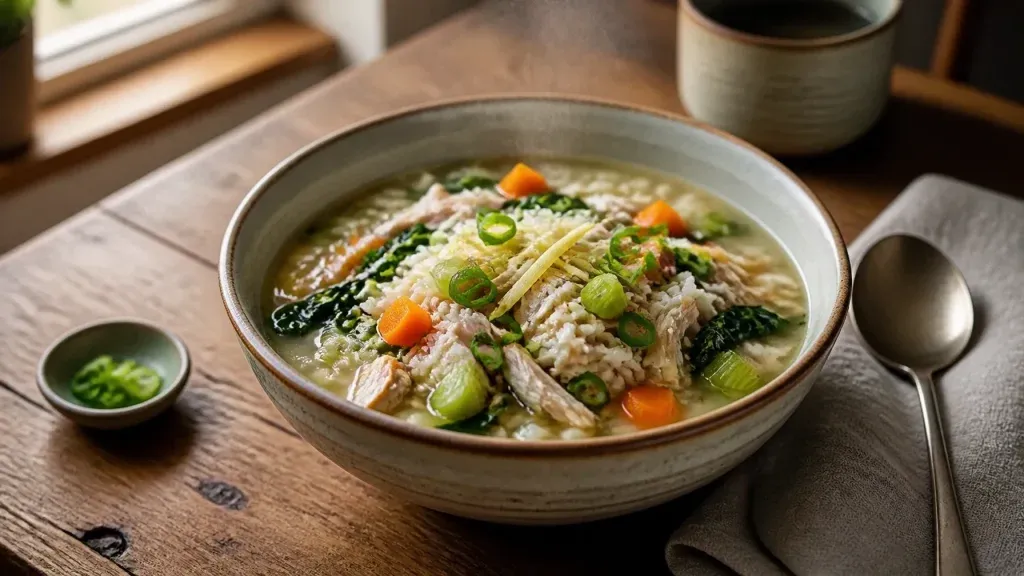
Soups45 min
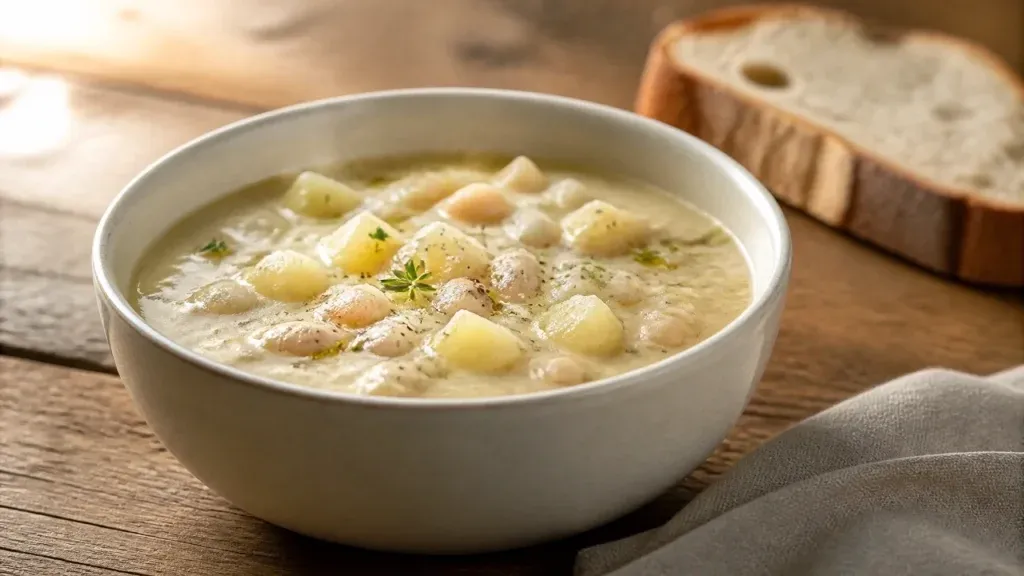
Soups40 min
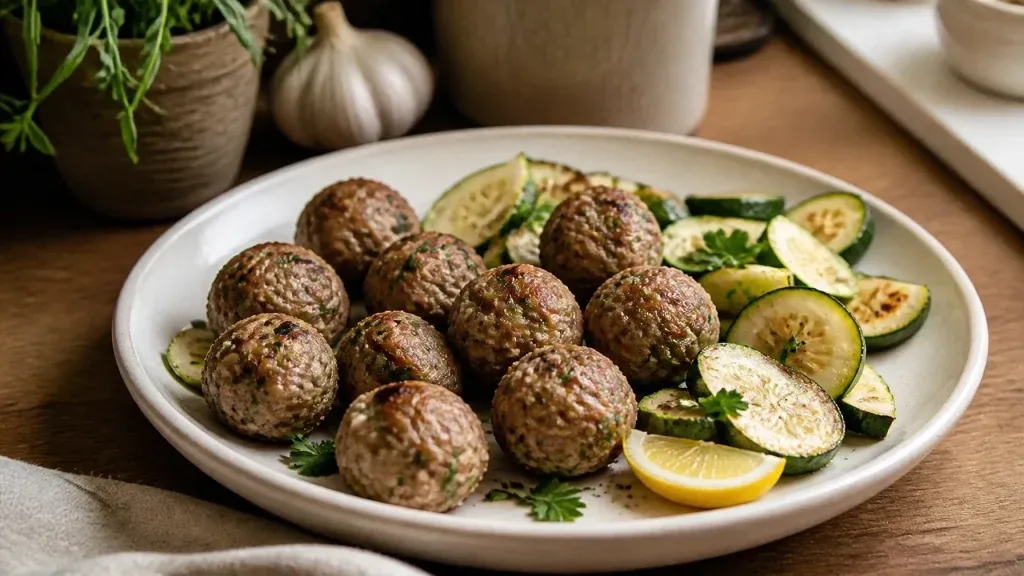
Dinner
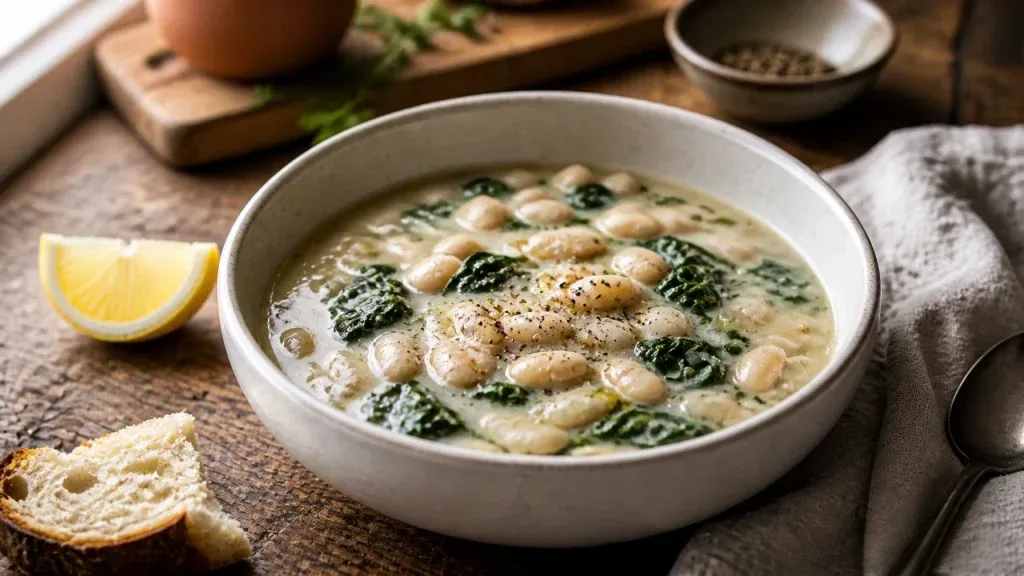
Soups30 min
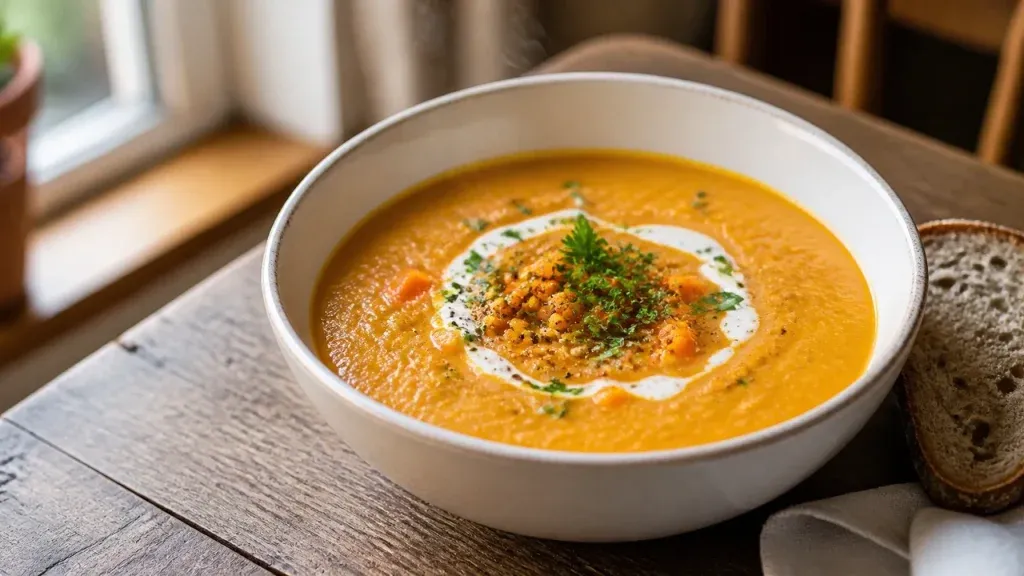
Soups30 min
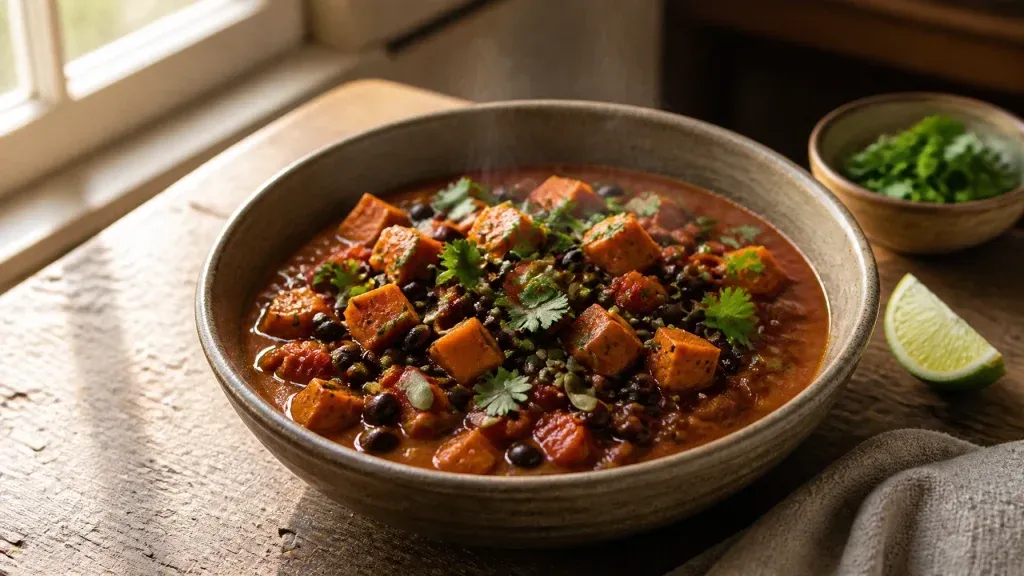
Soups55 min
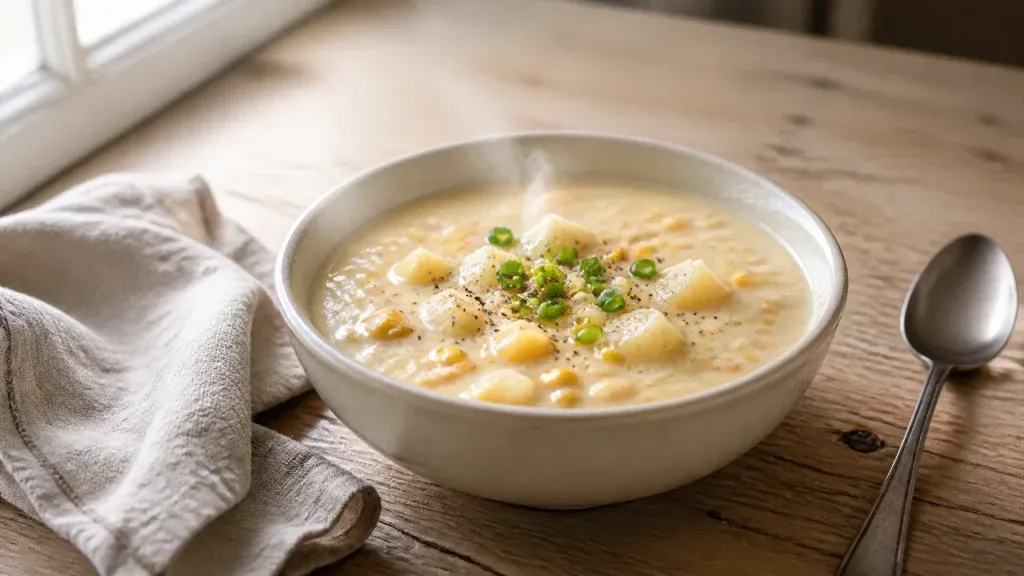
Soups