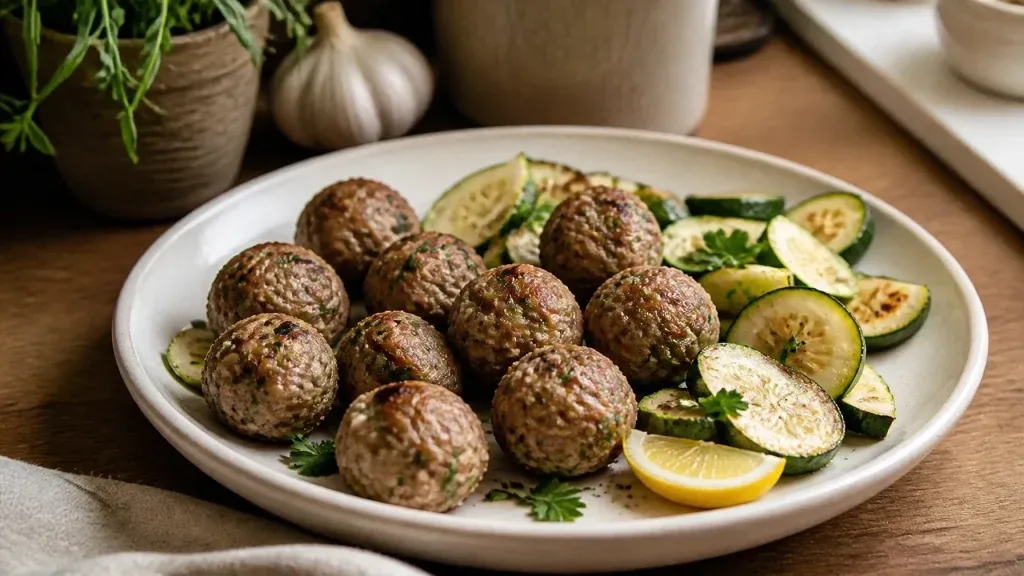
Dinner
A Cookpedia collection
Vegetarian recipes can make dinner feel generous, deeply savoury, and completely satisfying without relying on meat. Vegetarian cooking works best when it treats ingredients as the main event rather than as substitutions. Vegetables bring sweetness, bitterness, colour, and water. Beans and lentils bring substance. Cheese, eggs, tofu, grains, and nuts add the weight that makes a plate feel like dinner. Put those things together with a hot pan, a good sauce, and something crisp on top, and the result is not a meal missing meat. It is a meal with its own logic. Why vegetarian cooking works. Vegetables give you more than one kind of flavour in a single dish. A roasted aubergine is smoky and soft, a tomato is bright and juicy, and a mushroom brings an earthy savouriness that gets deeper with browning. The useful trick is to cook each ingredient in the way that suits it. Roast for concentration, sauté for colour, simmer for tenderness, and finish with herbs or citrus to keep the plate lively. Texture matters just as much as flavour: creamy beans, chewy grains, tender greens, and crisp crumbs make a simple dinner feel complete. The building blocks of a filling plate. Start with protein, whether that means lentils, chickpeas, beans, tofu, paneer, eggs, Greek yogurt, or a combination of grains and pulses. Add fat deliberately: olive oil carries spice, butter rounds a sauce, tahini makes a dressing substantial, and cheese adds salt as well as richness. Acid keeps everything awake. Lemon, lime, vinegar, pickled vegetables, and yogurt can turn a warm bowl from heavy to balanced. Then add texture with toasted seeds, nuts, breadcrumbs, fried onions, fresh herbs, or vegetables that have been cooked until their edges catch. What to cook. Bean and lentil dishes are the dependable centre of the week: tomatoey stews, spiced dhal, herby white beans, and crisp-edged chickpeas. Tofu rewards a hot pan and a dry surface, while paneer takes well to roasting, grilling, and a sauce with enough spice to cling to it. Egg dishes cover the quick end of dinner, from baked eggs to frittatas and shakshuka. Vegetable-centred pastas become proper meals with mushrooms, greens, beans, or a handful of toasted nuts. Grain bowls are useful when you want flexibility: build them from rice, quinoa, couscous, or farro, then add a protein, a cooked vegetable, a raw one, and a dressing with some sharpness. The mistakes to avoid. Under-seasoning is the most common. Vegetables and pulses need salt at more than one stage, and a final squeeze of acid often matters as much as the first pinch. Watery vegetable-heavy sauces are another problem. Cook wet vegetables until their water has evaporated, reduce tomato sauces properly, and use pasta water or stock with care. Most importantly, do not approach vegetarian food as meat minus the meat. A plate built around absence will feel unfinished. Choose a satisfying centre, then build the rest around its flavour and texture. Practical rules for better meatless dinners. Build umami with mushrooms, tomato paste, miso, soy sauce, aged cheese, stock, or well-browned onions. Use fat deliberately so spices bloom and sauces coat rather than puddle. Layer texture by pairing something soft with something crisp, and something warm with something fresh. Taste before serving, because a vegetarian dish can be transformed by one more pinch of salt or one more drop of lemon. Where to go next. Our vegetarian collection gathers bean and lentil dinners, tofu and paneer dishes, egg suppers, vegetable-centred pastas, and grain bowls built for real appetites. Start with the texture you want tonight, then choose the recipe that gives vegetables the room to be the best part of dinner.
Cook something good
Dinner
One-Pot Meals20 min
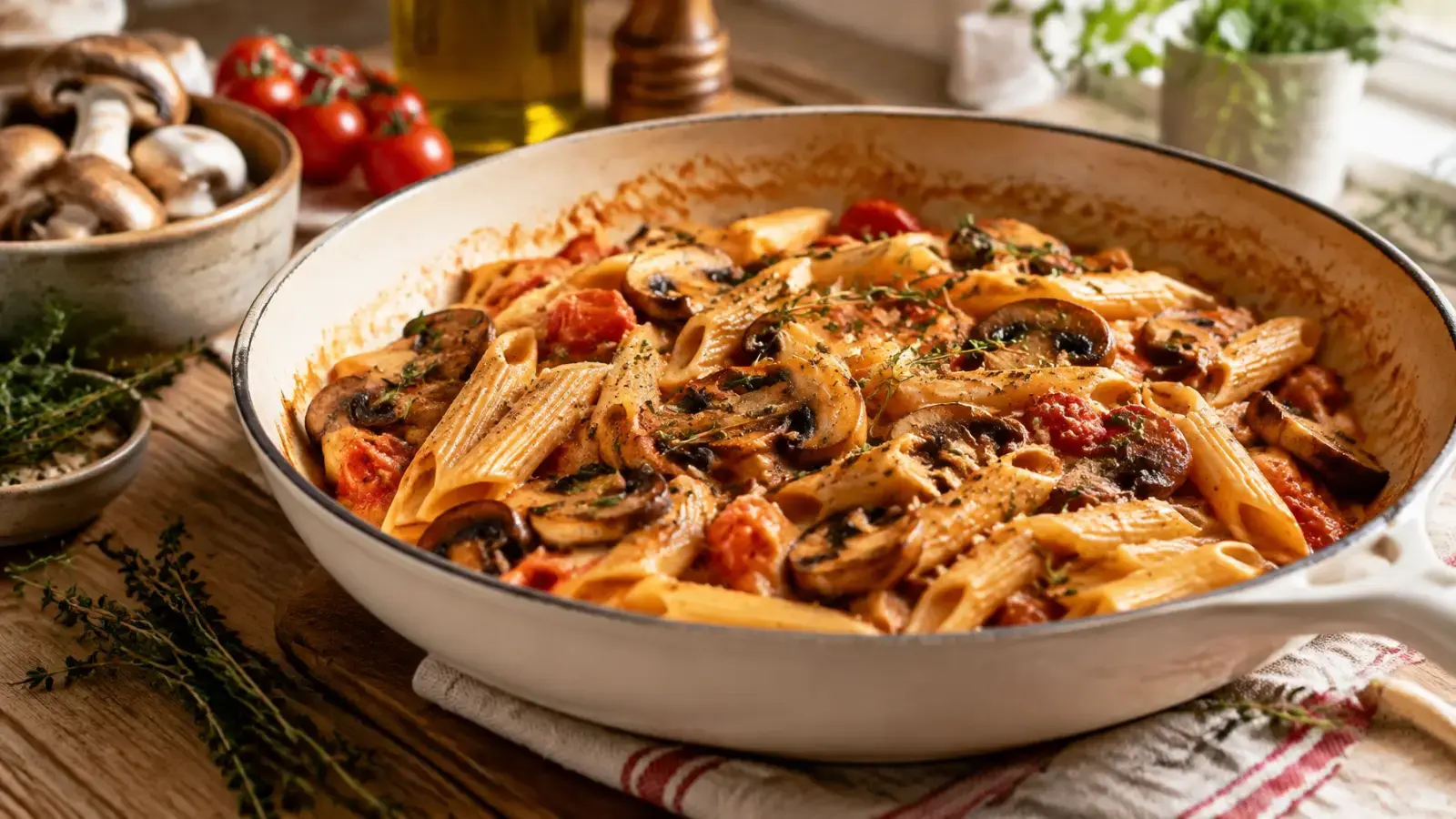
Pasta25 min
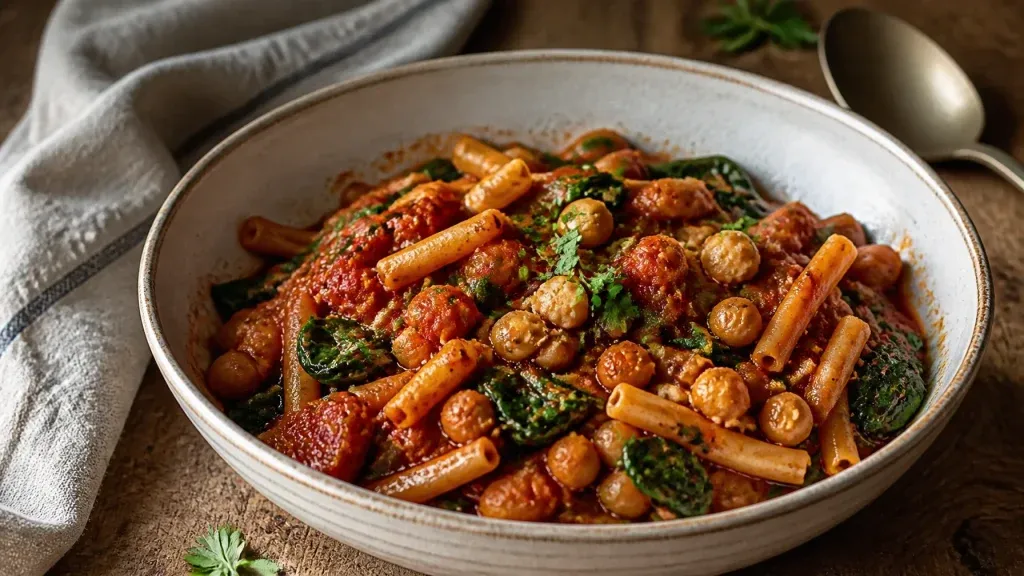
Pasta30 min
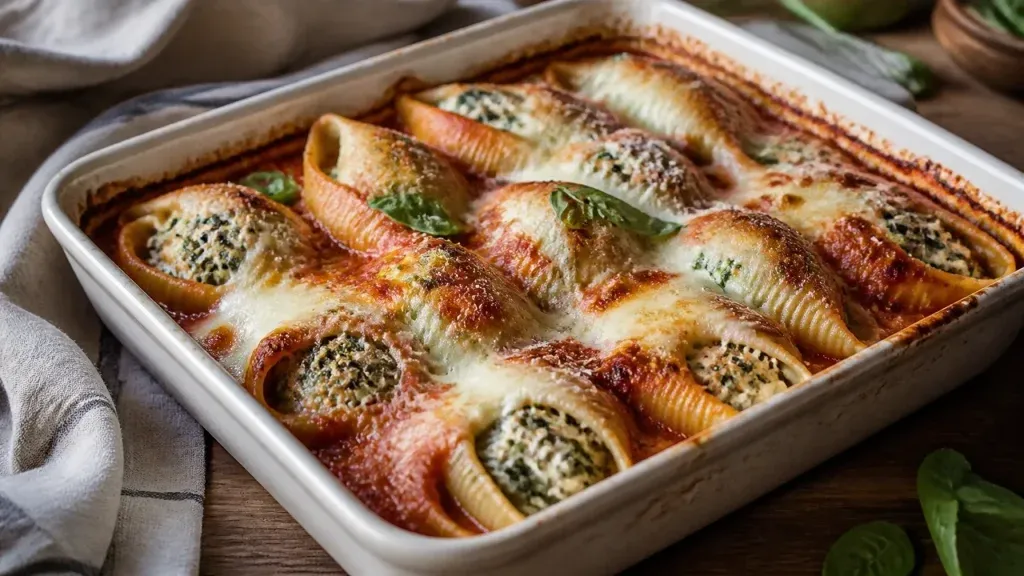
Pasta
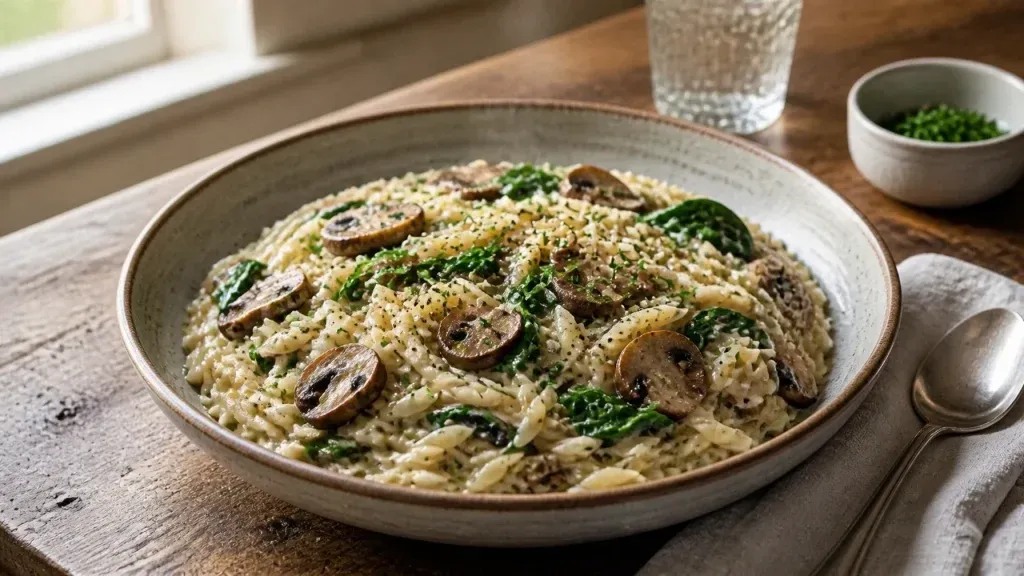
One-Pot Meals35 min

Dinner50 min
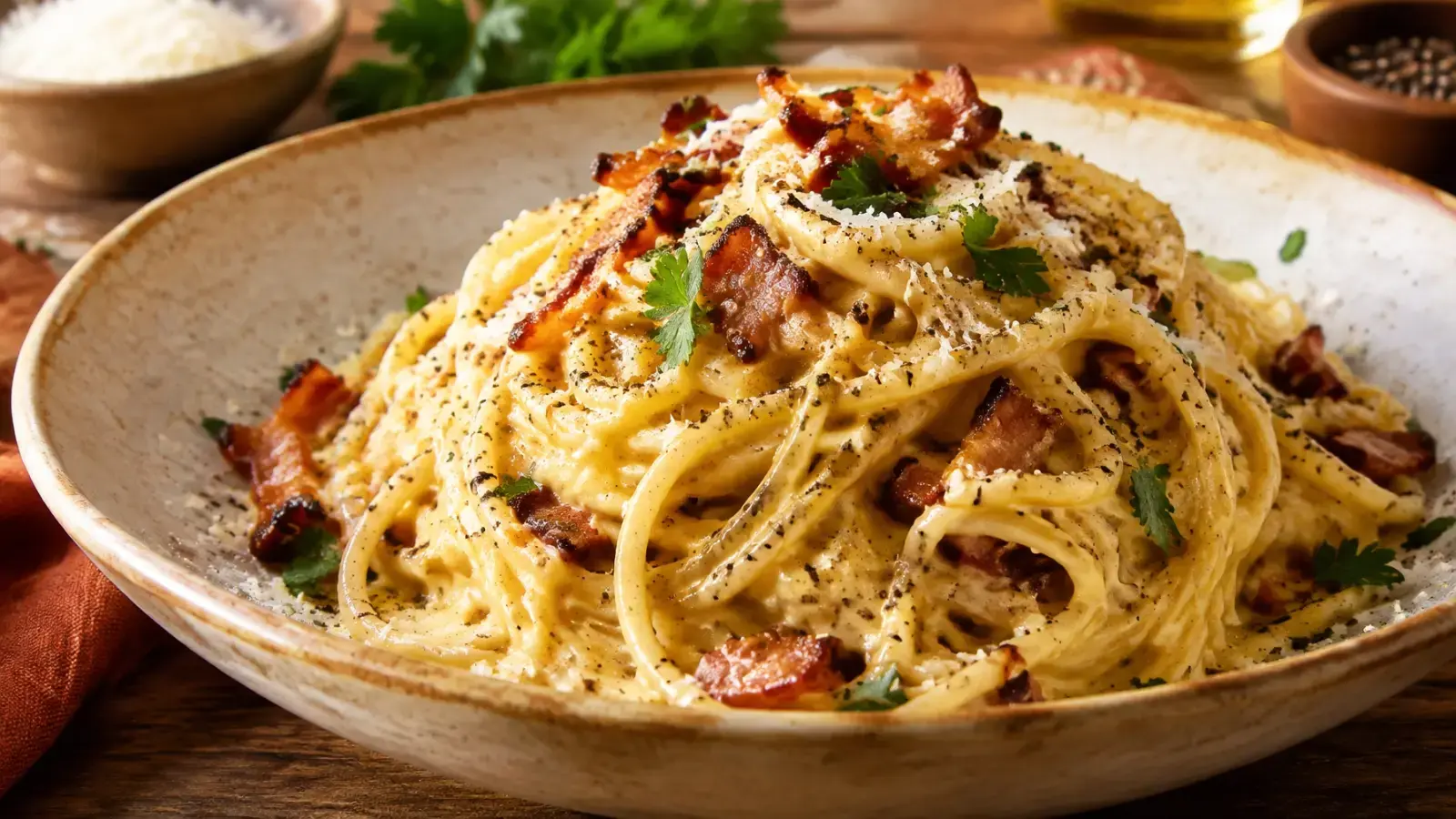
Pasta30 min
Salads
Pasta